


A New, More Dangerous Reality
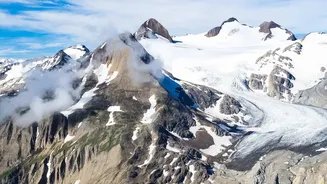
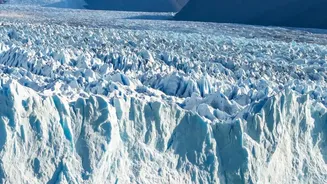
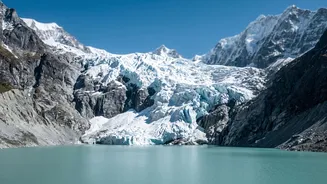
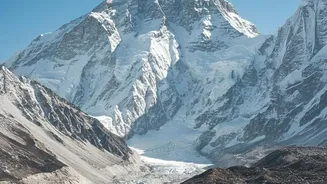
The Indian Himalayan region is witnessing a frightening increase in extreme weather events. Climate change is no longer a distant threat; it is here, and it is accelerating the melting of glaciers at an unprecedented rate. This meltwater feeds into glacial
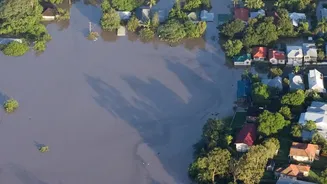
lakes, many of which are held back only by unstable natural dams of rock and debris. When these dams breach, they can cause catastrophic Glacial Lake Outburst Floods (GLOFs), unleashing a devastating torrent of water, mud, and boulders on communities downstream. The 2021 Chamoli disaster in Uttarakhand, caused by a massive rock and ice avalanche, was a stark reminder of this threat, leaving over 200 people dead or missing and wiping out major infrastructure projects. Beyond GLOFs, erratic rainfall patterns are triggering more frequent and intense flash floods and landslides, turning picturesque valleys into deadly traps.
Tourism: A Blessing and a Curse
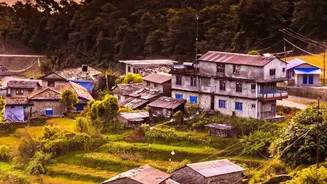
Tourism is a vital economic engine for Himalayan states. But the unchecked boom in visitor numbers is creating a perilous situation. To cater to the influx, roads, hotels, and shops have expanded rapidly, often in ecologically fragile and high-risk zones like riverbanks and unstable slopes. This unregulated construction, often bypassing environmental clearances, puts both tourists and residents directly in harm's way. In states like Himachal Pradesh and Uttarakhand, the surge in tourism has placed immense strain on local resources, particularly water, and has exacerbated the very environmental degradation that heightens disaster risk. The result is a dangerous feedback loop: the drive for tourism revenue leads to development that weakens the ecosystem, which in turn makes the entire region more vulnerable to the next inevitable disaster.
The Gaps in Our Safety Net
While government bodies like the National Disaster Management Authority have plans in place, recent events show a critical gap between strategy and on-the-ground reality. Early warning systems, a crucial first line of defense, are often inadequate for the unique challenges of the Himalayas. Traditional rainfall-based warnings are ineffective against disasters like GLOFs or landslides, which can occur on clear days with little to no warning. Even when alerts are issued, they often fail to reach remote communities or the thousands of tourists scattered across trekking routes and far-flung destinations. The tragic flash floods in Nepal in August 2026, which killed hundreds after a glacial collapse, highlighted how a warning system designed for slow-moving floods was useless against a sudden, violent surge of debris. The disaster exposed a hard truth: our ability to predict and disseminate warnings is lagging far behind the escalating risks.
Building a More Resilient Future
Strengthening disaster preparedness requires a fundamental shift in approach, from reactive rescue operations to proactive risk reduction. This begins with smarter, more sustainable development. Strict enforcement of land-use regulations that prohibit construction in high-risk zones is non-negotiable. Investing in technology is also key. A multi-hazard warning system that integrates real-time data from satellites, drones, and ground sensors on glacial lakes, river flows, and landslide-prone slopes can provide the crucial window needed to save lives. Empowering local communities with training, resources, and communication equipment is equally important, turning them into first responders rather than helpless victims. Finally, there needs to be a more honest conversation about regulating the flow of tourism itself, ensuring that visitor numbers do not exceed the ecological carrying capacity of these fragile mountain landscapes.