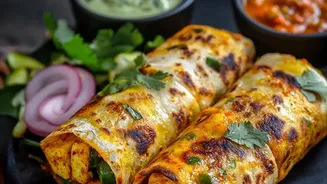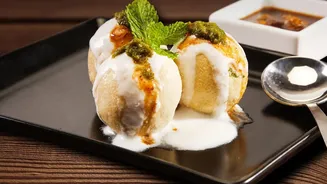

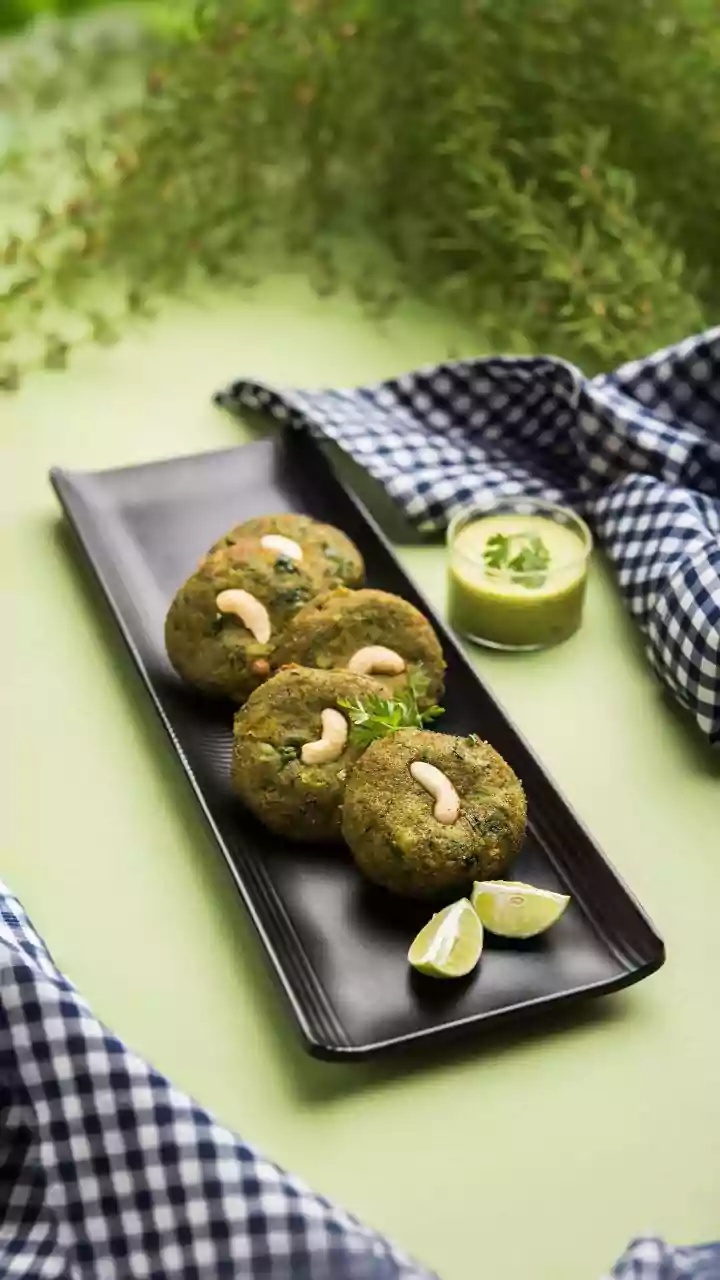





The Foundation: Hung Curd and Binders
Before you even think about the outer coating, the success of your kebab starts with its core. The main ingredient, dahi, must be properly hung to drain every last drop of whey. This process, which can take anywhere from 8 to 14 hours, results in a thick,
cheese-like curd that is firm enough to be shaped. If the curd is too watery, the kebabs will struggle to hold their shape and may break apart during frying. To further ensure a stable patty, binders are mixed into the hung curd. Roasted besan (gram flour) is a traditional choice, added to absorb any remaining moisture and prevent a raw flour taste. Many recipes also incorporate grated paneer, which adds to the creamy texture and helps bind the mixture.
Choosing Your Golden Armour
The coating is what stands between the delicate yogurt filling and the hot oil. Its job is twofold: to create a barrier that prevents the kebab from falling apart and to deliver that irresistible crunch. Breadcrumbs are the most common and effective choice for this. For an even crispier texture, many chefs prefer panko breadcrumbs, which are lighter and create a crunchier crust than standard breadcrumbs. Another popular option is sooji (semolina), which provides a distinct granular crunch. Some recipes even call for crushed cornflakes or a mix of breadcrumbs and cornflakes for an extra-kurkure finish. Rice flour can also be used, often in combination with other ingredients, to enhance crispiness.
Technique Makes Perfect
Simply choosing the right ingredients isn't enough; the application technique is crucial. Once the dahi mixture is prepared, it is essential to chill it for at least 30 minutes. This firms up the patties, making them significantly easier to handle and less likely to disintegrate. After shaping, the kebabs should be rolled gently but thoroughly in the coating of your choice, ensuring every surface is evenly covered. Some chefs advocate for a double-coating method for a sturdier crust: first a light dusting in flour (like refined flour or cornflour), then a dip in a thin slurry of flour and water, and finally a generous roll in breadcrumbs. This creates a robust barrier that guarantees a golden-brown finish.
The Final Hurdle: Frying to Perfection
The last step is frying, and temperature is everything. The oil must be heated to a medium-high flame. If the oil is not hot enough, the kebabs will absorb too much of it, becoming greasy and soggy. If it’s too hot, the coating will burn before the inside is warmed through. Fry the kebabs in small batches to avoid overcrowding the pan, which can cause the oil temperature to drop. Cook them for 2-3 minutes per side, turning gently until they are uniformly golden brown and crisp. Once fried, place them on a wire rack or a plate lined with absorbent paper to drain any excess oil.
Common Mistakes to Avoid
Several common pitfalls can derail your dahi kebab efforts. The most frequent error is using curd that hasn't been hung long enough, resulting in a wet mixture. Another mistake is adding salt to the mix too early, as it draws moisture out from other ingredients like onions, making the patties difficult to shape. Always add salt as the final step before chilling. Finally, avoid pressing the patties too firmly when shaping them. A light hand is needed to keep the interior soft and airy; pressing too hard can make them dense and prone to cracking.