



An 18-Year Wait
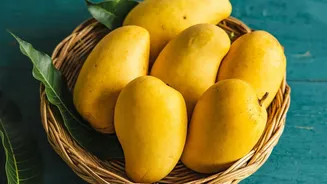
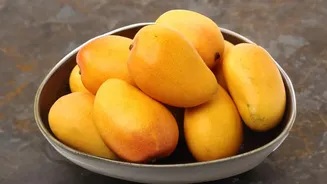
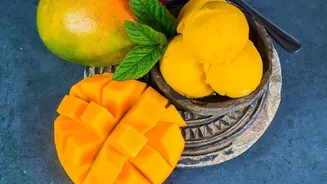
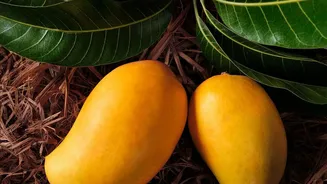
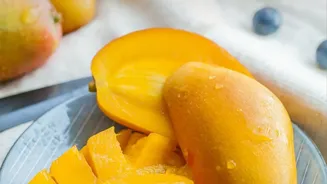
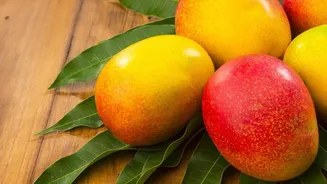
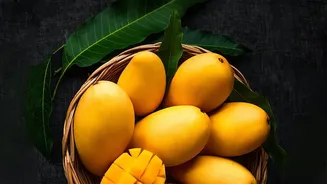
From 1989 to 2007, fresh Indian mangoes were prohibited from entering the United States. The ban was not due to a lack of demand—far from it. The growing Indian diaspora longed for a taste of home, particularly the prized Alphonso and Kesar varieties.
The problem was agricultural science and the risk of invasive pests. The U.S. Department of Agriculture (USDA) feared that pests like the Oriental fruit fly and mango seed weevils could hitch a ride on imported fruit and devastate American crops, particularly citrus and stone fruit in states like California and Florida. While treatments like hot water baths were used for mangoes from other regions, these methods were too harsh for the delicate Indian varieties, often cooking the fruit and ruining its unique flavour and texture.
A Diplomatic Breakthrough
The long wait ended in 2006. During a visit to India focused on a major civil nuclear pact, then-U.S. President George W. Bush and Indian Prime Minister Manmohan Singh announced a multifaceted agreement. As part of these broader trade talks, the two leaders brokered a deal that would finally reopen the American market to Indian mangoes. President Bush, after reportedly tasting an Alphonso mango, famously called it a "hell of a fruit," adding a personal touch to the diplomatic achievement. The agreement became informally known as the "mango nuclear deal," a symbol of the warming relationship and expanding trade between the two nations.
The Science of a Solution
The key to unlocking the US market was a specific phytosanitary (plant health) treatment: irradiation. India agreed to a USDA-approved protocol requiring all US-bound mangoes to be treated at a certified facility. This process involves exposing the packed fruit to a low dose of gamma radiation, typically from a Cobalt-60 source. This treatment neutralizes any pests by making them sterile, rendering them unable to reproduce and pose a threat to US agriculture. Crucially, the internationally approved process does not alter the taste, texture, or nutritional value of the mangoes and leaves no residue. This scientific solution satisfied the USDA's strict safety standards while preserving the quality of the fruit.
The King's Arrival and a Two-Way Trade
The first legal commercial shipment of Indian mangoes in 18 years landed at New York's JFK airport in April 2007, a moment hailed as the "most eagerly anticipated fruit delivery ever." The initial consignments included popular varieties like Alphonso, Kesar, and Banganapalli. The deal, however, was about more than just mangoes. Trade agreements are often reciprocal. In exchange for access for its mangoes, India made concessions for American products. Reports from the time indicate that this included easing the path for Harley-Davidson motorcycles to be sold in India, a long-standing request from the United States.
The Legacy of the Deal
Since 2007, the market for Indian mangoes in the US has blossomed from a niche diaspora product into a premium cultural phenomenon. Despite the high costs associated with air freight and the irradiation process, demand has soared. Indian mango exports to the US surged by 130% in the 2023-24 fiscal year alone, crossing the $10 million mark. The fruit has become a seasonal luxury, with devoted fans tracking shipments and paying premium prices for varieties that are now household names among food lovers. Though the supply chain has faced interruptions, such as a brief halt during the COVID-19 pandemic, the appetite for these mangoes remains stronger than ever, cementing the legacy of the 2006 agreement.