




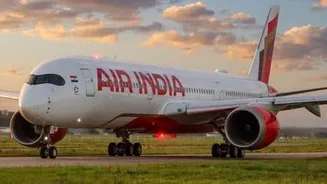
The Latest Wake-Up Call
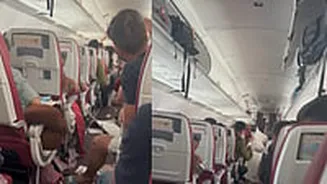
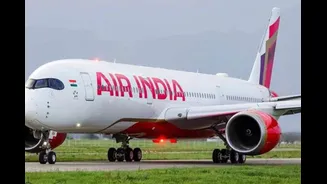
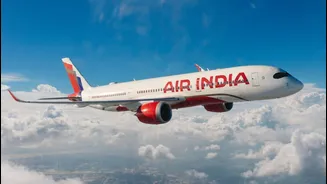
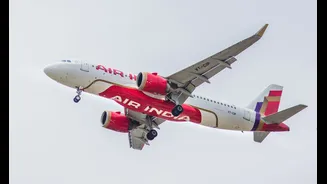
On August 4, 2026, Air India flight AI2379 from Phuket to Delhi encountered severe clear-air turbulence while cruising. The Airbus A320 experienced a sudden altitude drop of around 300 feet, which, while brief, was violent enough to cause significant
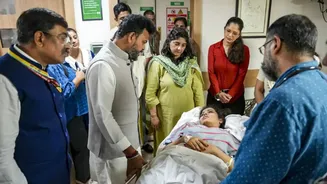
injuries. Reports indicate that 13 passengers and four crew members required medical attention after landing. Passengers described a chaotic scene where those not wearing seatbelts were thrown against the cabin ceiling. The incident, which occurred in otherwise clear skies, underscores a persistent and sometimes invisible threat in modern aviation.
What is Air Turbulence?
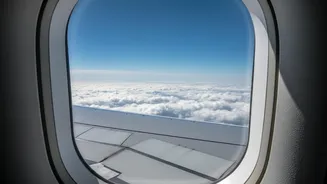
Turbulence is simply unstable air movement. While many associate it with storms, the most unpredictable type is Clear-Air Turbulence (CAT), which occurs in cloudless skies at high altitudes. It's often caused by wind shear, where bodies of air moving at different speeds meet, creating ripples and waves the plane flies through. Think of it like a boat hitting choppy water. While pilots use advanced weather radar and forecasts, CAT is notoriously difficult to detect. This is why a smooth flight can turn bumpy without any warning at all.
The Real Cause of Injury
It is a common fear, but it's crucial to understand: turbulence will not cause a modern commercial aircraft to crash. These planes are engineered to withstand forces far greater than any turbulence can generate. The real danger isn't to the plane's structural integrity, but to the unsecured people and objects inside it. During a severe event, the aircraft may change altitude abruptly. Anything not buckled down—people, laptops, cabin bags—can become a projectile. The vast majority of turbulence-related injuries happen to passengers and crew who are not securely fastened in their seats.
Your Single Most Effective Defence
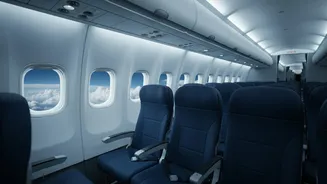
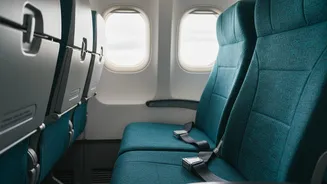
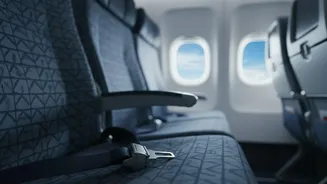
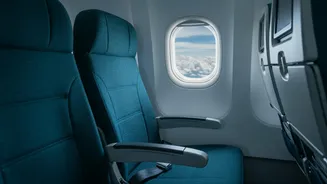
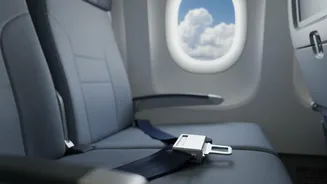
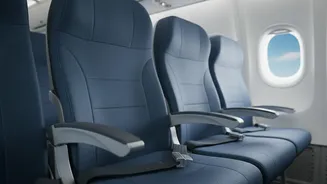
Aviation experts and safety agencies like the FAA are unanimous on the single most effective way to prevent injury: keep your seatbelt fastened whenever you are seated. Even when the seatbelt sign is off, it is the best practice to keep the belt buckled. Flight crews are trained to secure the cabin before expected turbulence, but sudden events like the recent Air India incident leave no time for warnings. In such cases, a fastened seatbelt is the only thing preventing you from being thrown from your seat. An NTSB study found that of 123 passengers with serious injuries from turbulence over a decade, only one was wearing a seatbelt.
Beyond the Belt: Smart Safety Habits
While the seatbelt is paramount, other simple habits can further reduce risk. Always ensure your carry-on luggage is securely stowed in the overhead bin or under the seat in front of you. Loose items can cause injury during a sudden jolt. Pay close attention to the pre-flight safety briefing and follow all crew instructions immediately; they are your primary source of safety information during the flight. Flight attendants are also at high risk, and their instruction to be seated is for their safety as well as yours. If travelling with children under two, the safest place for them is in a government-approved child seat rather than on a lap.