




Plan Your Meals, Master Your Budget
The single most effective way to cut grocery costs is to plan your meals before you shop. A weekly plan prevents impulse buys and ensures you use what you already have. Take ten minutes over the weekend to decide on a few lunch and dinner ideas for the week ahead.
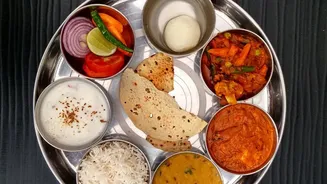
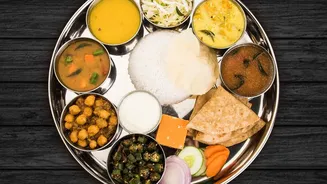
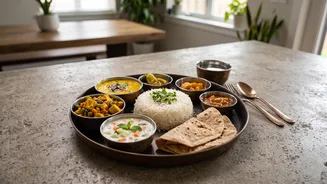
Make a detailed shopping list and stick to it. This simple habit can reduce food waste and cut your grocery bill significantly. A balanced Indian meal can be as simple as dal, roti or rice, and a seasonal vegetable dish, all of which are affordable.
Embrace Seasonal and Local Produce
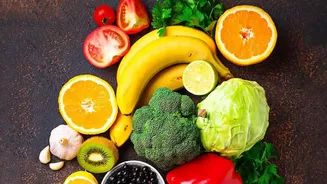
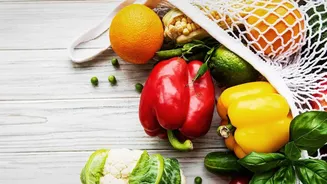
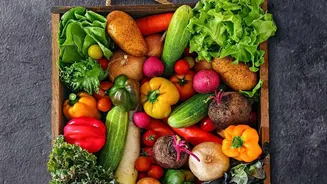
Buying fruits and vegetables that are in season is one of the easiest ways to save money. Seasonal produce is more abundant, which makes it cheaper, fresher, and more nutritious. For example, mangoes are cheaper in the summer, while carrots and spinach are more affordable in the winter. Shopping at your local sabzi mandi instead of a large supermarket can also lead to significant savings. You get fresher produce while supporting local farmers.
Rediscover Traditional Grains and Millets
While rice and wheat are staples, India's traditional grains like jowar, bajra, and ragi are making a comeback for good reason. These millets are often cheaper, gluten-free, and packed with nutrients like protein and fibre. They can easily be incorporated into daily meals. You can make ragi dosas, millet upma, or bajra khichdi. Swapping regular rice for millet pulao or having jowar rotti for dinner are simple ways to boost nutrition without increasing costs.
Power Up with Pulses and Legumes
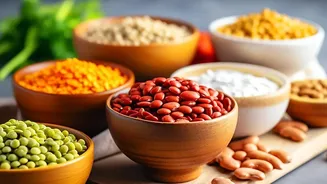
Dals, chana, and rajma are the foundation of affordable nutrition in India. Lentils and legumes are excellent sources of plant-based protein and fibre that keep you feeling full for longer. Options like moong dal, masoor dal, and chana are incredibly cost-effective, with some costing as little as ₹0.40 per gram of protein. Roasted chana makes for a fantastic and cheap protein-rich snack, far better than packaged biscuits. Soy chunks are another protein powerhouse, offering around 52g of protein per 100g at a very low cost.
Smart Shopping and Storage Habits
A few changes in how you shop can add up. Buying staples like dal, rice, and flour in bulk is often cheaper per kilogram than buying small packets. However, avoid buying perishable items in large quantities unless you have a plan to use them. Skip pre-cut vegetables and pre-marinated meats, which come with a higher price tag for convenience. Proper storage is also key. Store leafy greens wrapped in a cloth or paper towel in the fridge to make them last longer, and keep onions and potatoes in a cool, dark place.
Adopt a 'Zero-Waste' Kitchen Mindset
Reducing food waste is like finding money in your kitchen. Many parts of vegetables that are typically thrown away are perfectly edible and nutritious. For example, cauliflower stems, carrot tops, and vegetable peels can be used in dals, soups, or to make a flavourful broth. Get creative with leftovers. Yesterday's dal can be used to knead dough for parathas, and leftover rice can be turned into a tasty fried rice or pulao. Freezing extra portions of cooked food is another great way to preserve it for a quick meal later.