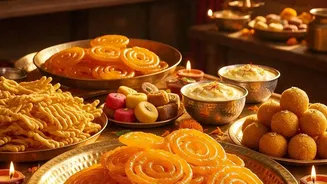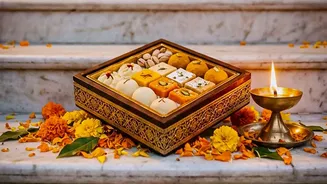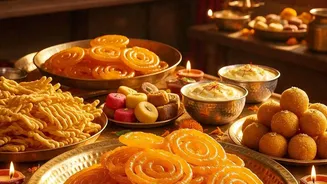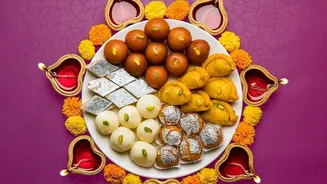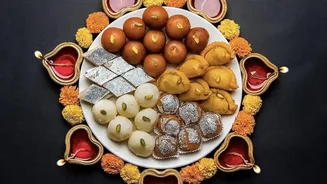





Diwali is synonymous with the joy of sharing and eating delicious sweets. But the endless trays of laddoos and barfis can bring health worries. The good news is that you don't have to choose between celebration and well-being.
Understanding the Indulgence
Traditional Diwali sweets
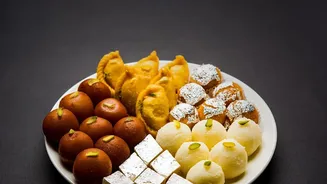
like laddoos and barfi are rich, decadent, and an integral part of the festivities. They are typically made from ingredients like ghee (clarified butter), khoya (milk solids), refined flour, and a generous amount of sugar, all of which contribute to their high calorie density. A single laddoo or a piece of barfi can contain a significant number of calories, sometimes equivalent to a small meal. For example, one medium-sized besan laddoo can pack around 185 calories, while two pieces of gulab jamun can total nearly 387 calories. This doesn't mean you have to avoid them completely, but it does highlight the importance of mindfulness during the festive season.
The Art of a Balanced Portion
Portion control is the most effective strategy for enjoying Diwali sweets without derailing your health goals. But what does a 'balanced portion' look like? Many nutritionists suggest a simple rule: one to two small pieces of sweets per day. This allows you to savour the taste without overloading your system with sugar and fat. Using smaller plates or choosing bite-sized versions of your favourite mithai can also be an effective trick. Another helpful tip is to eat your sweet treat after a balanced meal containing protein and fibre, not on an empty stomach. This can help slow the absorption of sugar and prevent sharp spikes in blood glucose levels.
Smart Strategies for Festive Feasting
Beyond just portion sizes, several smart habits can help you navigate the Diwali feast. Staying hydrated by drinking plenty of water is crucial, as it aids digestion and can help you feel full. It's also wise to not skip meals to 'save' calories for a party, as arriving overly hungry often leads to overeating. Instead, have a small, fibre-rich snack beforehand. When faced with a variety of sweets, decide in advance which ones are your absolute favourites—the ones that are truly 'worth it'—and focus on savouring those. Finally, incorporating some light physical activity, like a post-meal family walk, can do wonders for digestion and overall well-being.
Making Healthier Choices
If you're preparing sweets at home, you have complete control over the ingredients. Simple swaps can make a big difference. Consider replacing refined white sugar with natural sweeteners like dates, figs, or jaggery, though even these should be used in moderation as they are still calorie-dense. Using whole wheat flour instead of refined flour (maida) can increase the fibre content. You can also reduce the amount of ghee or opt for baking or air-frying instead of deep-frying for snacks like gujiyas. Sweets made from nuts, seeds, and dates, such as dry fruit laddoos, are also a more nutritious option, offering fibre and healthy fats alongside their natural sweetness.
Beyond the Mithai Box
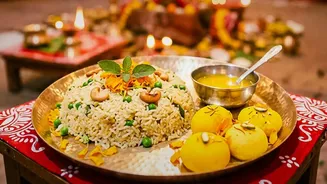
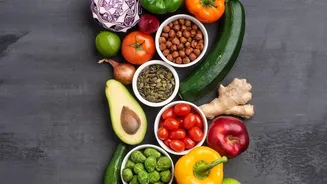
While sweets are a highlight, a balanced approach to the entire festive diet is key. Ensure your main meals are rich in vegetables, lean proteins like paneer or dal, and whole grains. This provides sustained energy and essential nutrients, making you less likely to crave sugary snacks. Try including colourful salads, roasted vegetables, and yoghurt-based dips to your spread. Remember that one or two days of indulgence will not ruin your long term health goals. The key is to enjoy the festivities and then promptly return to your regular balanced diet rather than letting the festive eating pattern continue for weeks.