




The Unmistakable Signs of Strain
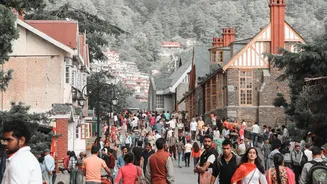
For anyone who has visited a popular hill station like Manali, Shimla, or Mussoorie during peak season, the symptoms are all too familiar. Journeys that should take minutes stretch into hours due to gridlocked traffic. Mall Roads, once perfect for a leisurely
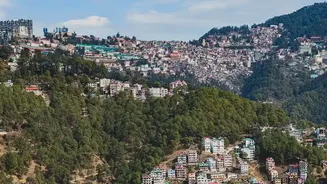
stroll, are now choked with crowds. Recent reports highlight how thousands of vehicles enter these towns daily, overwhelming infrastructure that was often built during the colonial era for a fraction of the current population. Shimla, for instance, was originally designed for about 25,000 people but now frequently hosts up to 80,000 visitors at a time during peak seasons. This deluge of visitors leaves a visible trail of overflowing dustbins, plastic bottles, and food wrappers that litter the picturesque landscapes these towns are famous for.
Beyond Traffic Jams: A Deeper Crisis
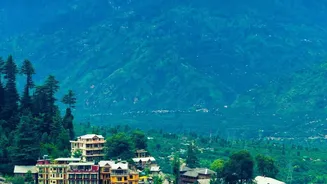
While traffic jams are the most visible sign of over-tourism, the real crisis runs deeper, affecting the very ecosystems that make these destinations appealing. A critical issue is the immense pressure on water resources. Many hill stations, including Darjeeling and Mussoorie, depend on natural springs, which are depleting due to a combination of climate factors and increased demand. During peak tourist season, water shortages become acute, often leading to rationing for local residents while hotels and restaurants consume large quantities to meet tourist expectations. Similarly, waste management and sewage systems are collapsing under the strain. Studies in Manali have shown that solid waste and sewage generation during tourist season far exceed the town's treatment capacity, leading to pollution of local rivers and soil.
How Did We Get Here?
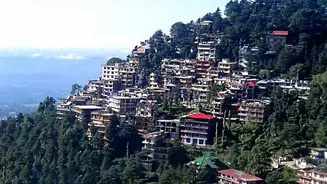
Several factors have converged to create this perfect storm. Severe heatwaves in the plains send millions scrambling for cooler mountain air. This, combined with improved road connectivity and a post-pandemic surge in domestic travel, has made these destinations more accessible than ever. Unregulated and often illegal construction of hotels, resorts, and guesthouses has exploded to meet demand, leading to widespread deforestation and the destabilisation of fragile hillsides. The rise of social media has also played a role, turning once-quiet spots into must-visit photo opportunities, further concentrating crowds in specific areas. The result is a cycle where the very things that attract tourists—natural beauty and tranquillity—are being systematically destroyed by their presence.
The Search for a Sustainable Future
Recognising the crisis, there is a growing call for a shift towards sustainable tourism. Experts and environmental groups are pushing for stronger government regulation, including implementing carrying capacity studies to determine and enforce a maximum number of visitors a destination can handle without causing irreversible damage. Other proposed solutions include restricting vehicular access during peak seasons, promoting off-beat destinations to distribute the tourist load, and strictly enforcing building codes. India's national eco-tourism policies aim to foster this change by encouraging community participation and low-impact practices. Ultimately, however, a change in mindset is required from all stakeholders. Tourists must become more responsible by practicing principles like 'Leave No Trace', conserving resources, and respecting local culture.