





A Shift in Space Strategy
At the recent International Conference on Spacecraft Mission Operations (SMOPS) in Bengaluru, a significant theme emerged among space agencies, startups, and industry leaders: the urgent need for sustainable space activities. While past conferences focused
heavily on launch technology and mission design, this year's dialogue took a decisive turn towards managing the increasingly crowded environment of Earth's orbit. The theme, "Innovative Operations for Smart and Sustainable Space Mission Management," signals a maturing of India's space program. The focus is no longer solely on getting to space, but on operating responsibly and ensuring that orbital paths remain safe and usable for generations to come. This pivot reflects a global understanding that the final frontier is not infinite and requires careful stewardship.
The Growing Problem of Space Junk
So, what is driving this change? The primary culprit is space debris, often called space junk. These are human-made objects left in orbit that no longer serve a purpose, including defunct satellites, spent rocket stages, and tiny fragments from collisions. These objects travel at incredible speeds—up to 28,000 kilometres per hour in Low Earth Orbit (LEO)—meaning even a paint flake can cause catastrophic damage to an operational satellite. The nightmare scenario for space agencies is the Kessler Syndrome, a theoretical chain reaction where a single collision creates a debris cloud that triggers more collisions, eventually rendering entire orbits unusable. With India's growing reliance on satellites for communication, navigation, and defence, protecting these vital assets from the ever-growing cloud of space junk has become a national priority.
What 'Sustainable Operations' Means
Sustainable satellite operations are about treating space as a finite resource. This involves a multi-pronged approach. Firstly, it means designing satellites and rocket stages for responsible disposal. Instead of being abandoned, they must be designed with enough extra fuel to either move to a distant 'graveyard orbit' or perform a controlled re-entry where they burn up in Earth's atmosphere over an uninhabited area. Secondly, it requires robust Space Situational Awareness (SSA)—the ability to track objects in orbit to predict and avoid collisions. ISRO's IS4OM (System for Safe and Sustainable Space Operations Management) is dedicated to this, performing dozens of collision avoidance manoeuvres for Indian satellites each year. Finally, it involves developing technology for Active Debris Removal (ADR), such as robotic arms to capture and de-orbit existing large pieces of junk.
India's Proactive Push for a Cleaner Orbit
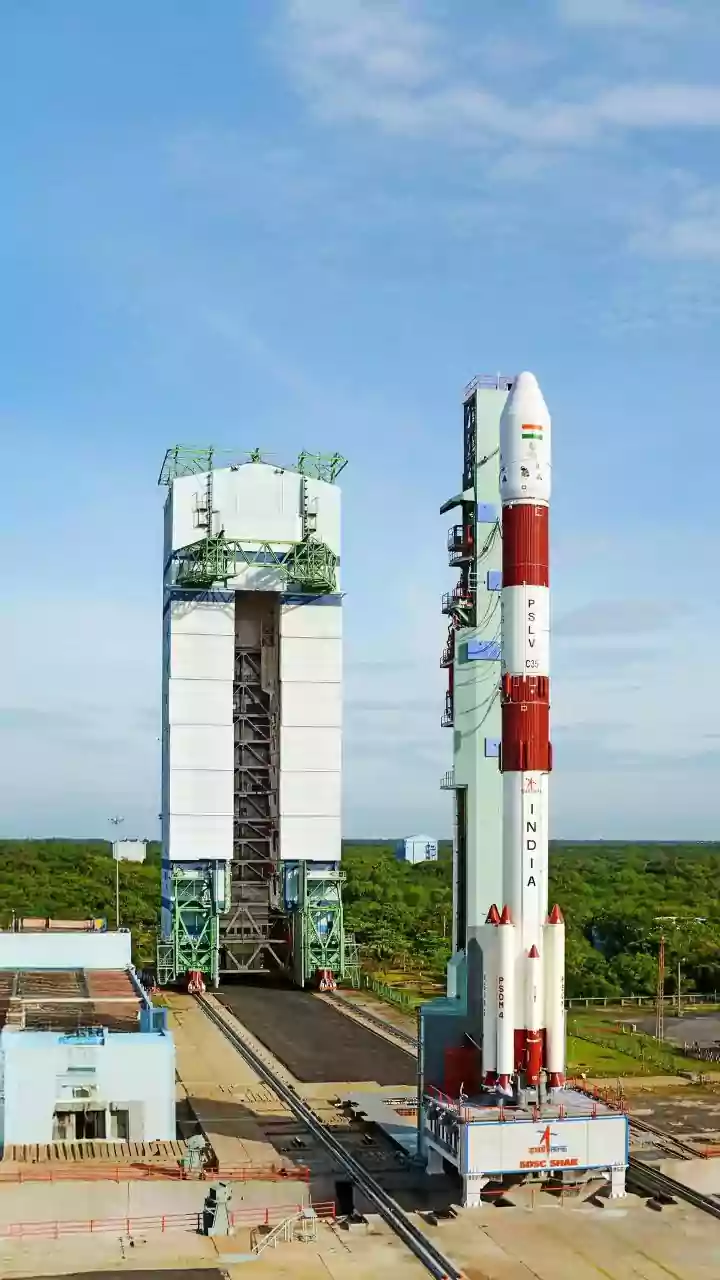
India is positioning itself as a leader in this field. ISRO has already made a bold pledge: the Debris Free Space Mission (DFSM) initiative, which aims for all Indian space actors—both government and private—to conduct missions that create zero new debris by 2030. This commitment is more than just talk. ISRO has already demonstrated its capabilities by successfully performing controlled re-entries of defunct satellites and spent rocket stages. For example, the upper stage of the PSLV-C58 mission was intentionally lowered from an altitude of 650 km to 350 km to ensure it would re-enter the atmosphere and disintegrate quickly, leaving no debris behind. Initiatives like Project NETRA (Network for Space Object Tracking and Analysis) are also bolstering India's ability to monitor its orbital neighbourhood independently.
Why It Matters for India's Future
This focus on sustainability is directly tied to India's ambitious future in space. With major projects like the Gaganyaan human spaceflight mission, the expansion of the NavIC navigation constellation, and a booming private space sector, India has more at stake in orbit than ever before. Ensuring a safe operating environment is crucial for the success of these multi-billion dollar ventures and the safety of Indian astronauts. By championing sustainable practices, India not only protects its own assets but also enhances its reputation as a responsible and technologically advanced space power on the global stage. This leadership role can create new diplomatic and commercial opportunities, cementing India's place among the top tier of spacefaring nations.