






From Niche Fuel to Mainstream Staple
Protein's journey from a specialist supplement to an everyday nutrient has been remarkable. For decades, it was marketed primarily for muscle growth and athletic performance, a perception that kept it confined to fitness circles. The messaging was all
about strength gains and intense training. However, a cultural shift has redefined protein for the average person. Consumers now see it less as a tool for extreme transformation and more as a key component of general health, wellness, and a balanced lifestyle. This evolution is not just about changing attitudes; it's about a broader understanding of what protein does for the body beyond building muscle.
The Science of Satiety and Wellness
So, why is everyone suddenly so interested in protein? A major reason is its proven ability to promote satiety, the feeling of fullness. Protein takes longer to digest than carbohydrates, which helps curb cravings and prevent overeating between meals. This benefit has become especially appealing for busy professionals and health-conscious individuals looking for sustained energy without the sugar crash associated with traditional snacks. Furthermore, as awareness around holistic health grows, consumers are looking for functional foods that do more. Protein is celebrated for its role in maintaining muscle mass, supporting metabolism, and contributing to overall well-being.
The Snack Revolution in India
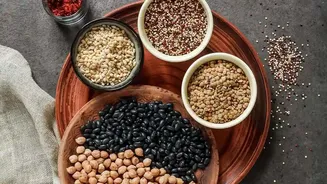
Food and beverage companies have been quick to respond to this surging demand. In India, the protein snack market is booming, reflecting a nationwide shift toward healthier habits. The market for protein bars alone is on a significant growth trajectory, with workplaces even stocking them to promote corporate wellness. But it's not just bars. You can now find protein-fortified chips, biscuits, breakfast cereals, and ready-to-drink beverages on supermarket shelves. This trend is particularly strong in urban India, where busy lifestyles demand convenient, on-the-go nutrition. To appeal to local tastes, brands are introducing flavours like masala and peri-peri, and using familiar protein sources such as chickpeas, lentils, and soy.
A Look at Different Protein Sources
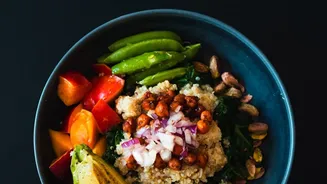
As protein goes mainstream, it's important to know that not all sources are the same. They generally fall into two categories: animal-based and plant-based. Animal-based proteins like whey and casein, derived from milk, are considered 'complete' proteins because they contain all nine essential amino acids. They are highly effective for muscle repair and are staples in the sports nutrition world. On the other hand, plant-based proteins are surging in popularity, catering to vegetarians, vegans, and flexitarians. Soy is a notable plant source as it is also a complete protein. Other popular options include pea, rice, and nut proteins, which are often blended to create a complete amino acid profile.
How to Choose Your Protein Snack Wisely
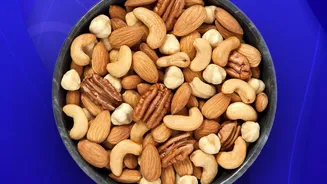
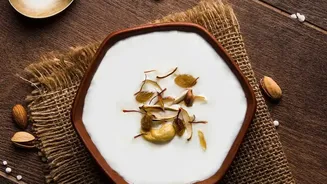
With so many options available, it can be overwhelming to pick the right protein snack. The key is to become a savvy label-reader. First, look at the protein content; a good snack should provide a meaningful amount, typically around 10-15 grams, to be effective. However, don't stop there. Check for hidden sugars, unhealthy fats, and a long list of artificial ingredients. A high-protein cookie that is also loaded with sugar may not be the healthiest choice. The goal is to find a product that offers a clean, balanced nutritional profile—high in protein and fibre, but low in sugar and unnecessary additives. Often, simple whole foods like Greek yogurt, hard-boiled eggs, or a handful of nuts are excellent choices.