



Til Pitha: The Classic Roll
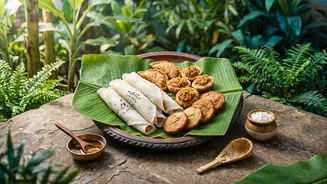
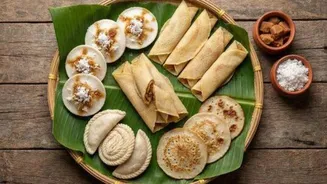
Perhaps the most iconic of all Assamese pithas, the Til Pitha is a delicate, cigar-like roll that is a staple during the Magh Bihu festival. The outer layer is a thin, crispy crepe made from glutinous rice flour, specifically a local variety called 'Bora
Saul', which is essential for its characteristic chewy texture. Inside, it holds a rich, nutty filling of roasted and ground black sesame seeds ('til') mixed with the deep, caramel sweetness of jaggery. Mastering the art of spreading the rice flour on a hot griddle and rolling it without cracking is considered a culinary rite of passage in many Assamese homes.
Ghila Pitha: The All-Rounder Fritter
Named for its shape, which resembles a 'ghila' or kneecap, this pitha is a beloved, versatile snack. Ghila Pitha is a deep-fried fritter with a wonderfully crisp exterior that gives way to a soft, fluffy inside. It’s a true all-rounder because it comes in both sweet and savoury versions. The sweet variant is made by mixing rice flour with jaggery, creating a dough that puffs up beautifully when fried. For a savoury kick, the jaggery is replaced with salt and sometimes other mild seasonings, making it a perfect accompaniment for a cup of tea.
Tekeli Pitha: The Steamed Delight
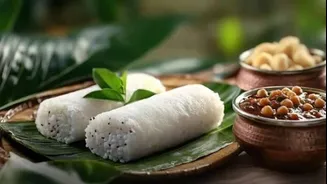
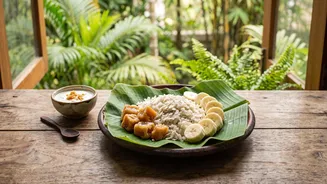
A comforting classic, Tekeli Pitha is a fluffy, steamed rice cake perfect for a wholesome breakfast. Its name comes from the 'tekeli', an earthenware pot traditionally used for steaming. To make it, a mixture of rice flour (often a blend of 'xaali saul' and 'bora saul'), grated coconut, and sugar or jaggery is layered and steamed over the mouth of the pot, typically wrapped in a damp cloth. The result is a soft, fragrant cake that isn't overly sweet, allowing the flavours of the rice and coconut to shine. It's often served warm, sometimes with a splash of milk or cream.
Sunga Pitha: The Bamboo-Smoked Speciality
Sunga Pitha offers a unique, smoky aroma thanks to its ingenious cooking method. A mixture of glutinous rice, water, and sometimes coconut and jaggery, is stuffed inside a young bamboo tube ('sunga'). The tube is sealed with banana leaves and roasted over a fire. This slow-roasting process infuses the pitha with a subtle, earthy flavour from the bamboo. Once cooked, the bamboo is split open to reveal a cylindrical cake, which is then sliced and often served with hot milk. This pitha is a rustic delicacy, deeply connected to the harvest celebrations.
Narikol Pitha: The Coconut Treat
For coconut lovers, the Narikol Pitha is pure bliss. While the name can refer to several coconut-based sweets, it often describes a pitha with a generous filling of freshly grated coconut cooked with jaggery or sugar until it becomes a sweet, sticky concoction. This filling is then encased in a rice flour dough, which can be fried, steamed, or baked. A popular form is the fried 'Narikol Diya Pitha', where the coconut-filled dough is shaped into small parcels and fried to a golden brown, creating a delightful contrast between the crunchy shell and the sweet, moist interior. Many also know its close cousin, the Narikol Laru, which are simple, delicious coconut and jaggery balls.
Luthuri Pitha: The Soft and Savoury Porridge
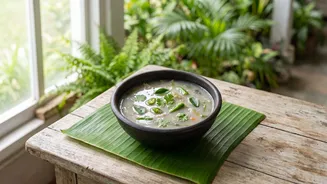
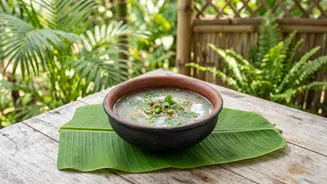
Different from the others, Luthuri Pitha is a soft, porridge-like preparation, making it a wonderfully comforting and easy-to-digest breakfast. It’s often considered a healthy option and is even given to children. To make it, rice flour is slowly cooked in boiling water with a pinch of salt and a little ghee until it forms a thick, smooth paste. It's served hot, often with a drizzle of warm milk and topped with jaggery powder, offering a simple yet deeply satisfying and gentle start to the day.