

Hunga Tonga-Hunga Haʻapai, Tonga (2022)
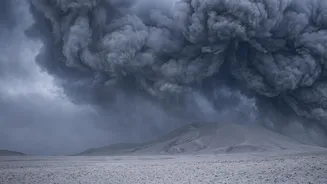
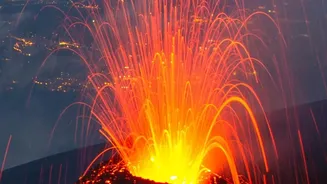
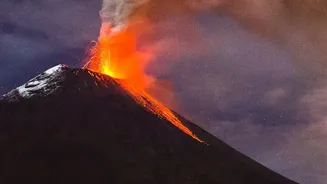
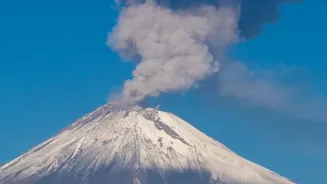
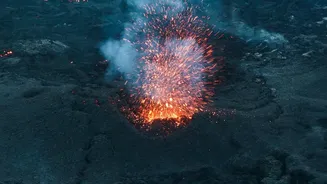
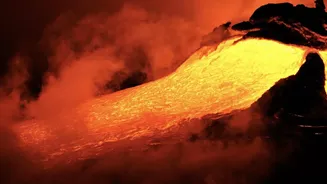
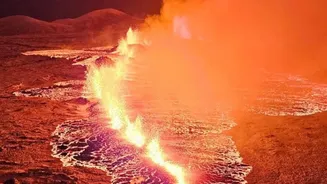
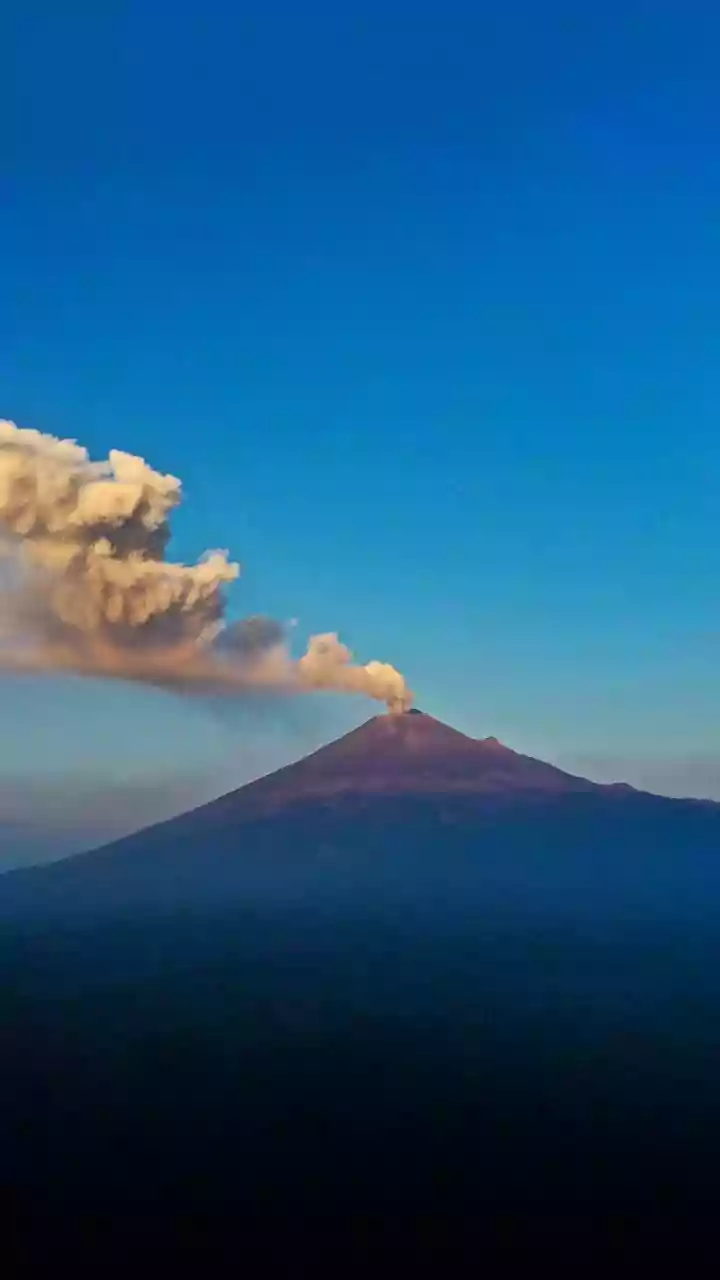
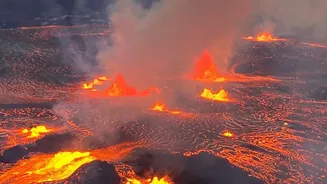
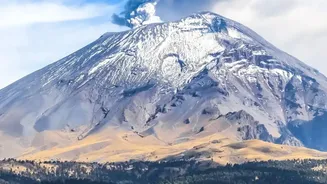
The eruption of the underwater Hunga Tonga-Hunga Haʻapai volcano was the largest volcanic explosion of the 21st century and the biggest recorded by modern instruments. Beginning in late 2021, the activity culminated in a cataclysmic blast on January 15,
2022. Rated between VEI 5 and 6, the eruption was so powerful that its sonic boom was heard thousands of kilometres away in Alaska, and its atmospheric pressure wave circled the Earth multiple times. It ejected an unprecedented amount of water vapour into the stratosphere and sent an ash plume soaring to a record height of 58 kilometres. The explosion displaced roughly 10 cubic kilometres of rock and sediment, triggering a devastating tsunami that affected the entire Pacific basin, causing fatalities as far away as Peru. The event was a stark demonstration of how a single submarine eruption can have immediate and far-reaching global consequences.
Eyjafjallajökull, Iceland (2010)
While not the largest eruption in terms of sheer explosive power (rated a VEI 4), Iceland's Eyjafjallajökull had an outsized global impact. The eruption began in March 2010 but entered its most disruptive phase in April when the activity occurred beneath a glacier. The interaction of hot lava and cold glacial ice created a plume of exceptionally fine-grained glass and ash that was injected high into the jet stream. This fine ash is incredibly dangerous to jet engines, causing them to fail. As a result, European airspace was shut down for six days, leading to the largest air-traffic disruption since World War II. Over 100,000 flights were cancelled, stranding millions of passengers and costing the airline industry an estimated $1.7 billion. The event prompted a complete overhaul of how aviation authorities assess and manage risks from volcanic ash.
Mount Merapi, Indonesia (2010)
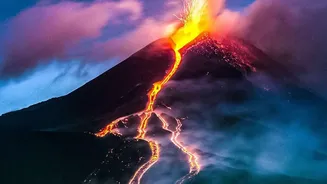
Mount Merapi is one of Indonesia's most active and dangerous volcanoes, and its 2010 eruption was its most powerful since the 1870s. Beginning in late October, a series of increasingly violent explosions generated devastating pyroclastic flows—fast-moving currents of hot gas and volcanic matter—that swept down the volcano's heavily populated slopes. The eruption, rated a VEI 4, ultimately claimed 353 lives and forced the evacuation of over 350,000 people. Entire villages were buried in ash, and the event highlighted the immense danger posed by even moderately large eruptions located near dense populations. In the aftermath, hazard maps were permanently revised, and significant efforts were made to improve monitoring and emergency preparedness for the communities living in Merapi's shadow.
Puyehue-Cordón Caulle, Chile (2011)
Following 51 years of inactivity, the Puyehue-Cordón Caulle volcanic complex in Chile roared to life in June 2011 with an eruption rated a VEI 5. The event ejected an enormous column of ash up to 14 kilometres high and produced an estimated one hundred million tons of ash, sand, and pumice. The ash cloud was so vast that it circled the globe in about two weeks, causing widespread disruption to air travel across the Southern Hemisphere. Flights were cancelled in cities from Buenos Aires and Montevideo to as far as Perth and Melbourne in Australia. While the initial eruption forced the evacuation of several thousand people, its most significant impact was the chaos it caused for international aviation for weeks as the plume drifted around the world.
Calbuco, Chile (2015)
After more than four decades of silence, Chile's Calbuco volcano produced a surprise eruption in April 2015. The sudden, violent blasts sent a pillar of ash and smoke more than 15 kilometres into the sky. The eruption, classified as a VEI 4, occurred with very little warning, prompting authorities to quickly declare a red alert and evacuate thousands of people within a 20-kilometre radius. While there were no reported deaths, the thick ashfall blanketed nearby towns, collapsed roofs, and contaminated water supplies. The spectacle, which included dramatic displays of volcanic lightning within the ash column, served as a reminder of the unpredictable nature of even well-monitored volcanoes.