





What Exactly is Rooibos?
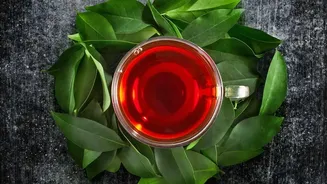
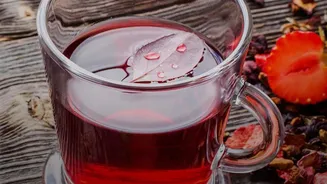
Often called 'red tea' or 'red bush tea', rooibos is not a true tea in the traditional sense. It doesn't come from the Camellia sinensis plant like black or green tea. Instead, it’s a herbal infusion made from the needle-like leaves of the Aspalathus
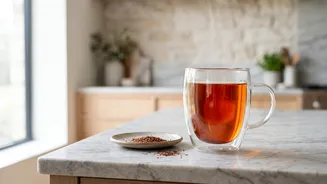
linearis shrub, which grows exclusively in South Africa's Cederberg mountain region. The popular red rooibos is created by fermenting the leaves, which gives it a distinct reddish-brown hue and a naturally sweet, nutty flavour. There is also a green, unfermented version that is less common but retains more of its powerful antioxidants. A major part of its appeal, especially in India’s bustling cities, is that it is naturally caffeine-free and has lower levels of tannins than regular tea, which means it doesn't interfere with iron absorption.
The Antioxidant Powerhouse
The buzz around rooibos is primarily due to its rich and unique blend of antioxidants. Antioxidants are compounds that help protect the body's cells from damage caused by unstable molecules called free radicals. The star players in rooibos are flavonoids named aspalathin and nothofagin. Aspalathin is particularly special because, so far, rooibos is its only known natural source. These antioxidants are believed to be the source of the tea's health-promoting properties, from reducing inflammation to fighting oxidative stress, which is linked to chronic diseases like heart disease.
The Science: Heart Health and Blood Sugar
When it comes to human studies, the most credible evidence for rooibos points toward heart health. A notable clinical trial found that adults at risk for cardiovascular disease who drank six cups of rooibos daily for six weeks saw a significant decrease in 'bad' LDL cholesterol and an increase in 'good' HDL cholesterol. Some research also suggests it may help lower blood pressure. Another promising area is blood sugar management. The unique antioxidant aspalathin has shown potential in animal studies to help lower blood glucose levels and improve insulin resistance, which is key in managing or preventing type 2 diabetes. While these findings are promising, it's important to note that the overall body of human research is still small. A 2023 review covered only 18 human studies in total, so scientists agree more research is needed to make definitive claims.
The Hype: Claims That Need a Closer Look
This is where careful reading becomes essential. You may see rooibos linked to bold claims like cancer prevention, significant weight loss, or curing insomnia. Most of this hype is based on preliminary lab or animal studies, not strong human evidence. For instance, while some test-tube research found that antioxidants in rooibos could inhibit the growth of certain cancer cells, these effects have not been proven in people. Similarly, theories about rooibos aiding weight loss by regulating appetite hormones are largely unconfirmed in human trials. While the tea is a healthy, calorie-free beverage, it is not a magic bullet for weight loss or a cure for serious diseases. The benefits for sleep and colic are mostly based on traditional use rather than clinical testing.
How to Enjoy Rooibos Safely
For the vast majority of people, rooibos tea is exceptionally safe to drink. There is no established upper limit, and its caffeine-free nature makes it a great choice for any time of day, even before bed. That said, there have been a handful of rare case reports in medical literature linking very high, long-term consumption of rooibos to liver issues, particularly in individuals with pre-existing liver conditions. Additionally, some lab studies suggest certain compounds in rooibos could have mild estrogenic effects, so patients with hormone-sensitive cancers are often advised to use caution. For the average person, enjoying a few cups a day is considered perfectly fine and a healthy habit.