

First, Identify Your Delicates
Before you can protect your delicates, you need to know what they are. Delicate fabrics are typically those made from sensitive, loosely woven, or specialty fibres that can be easily damaged by heat, friction, or harsh chemicals. Always check the care
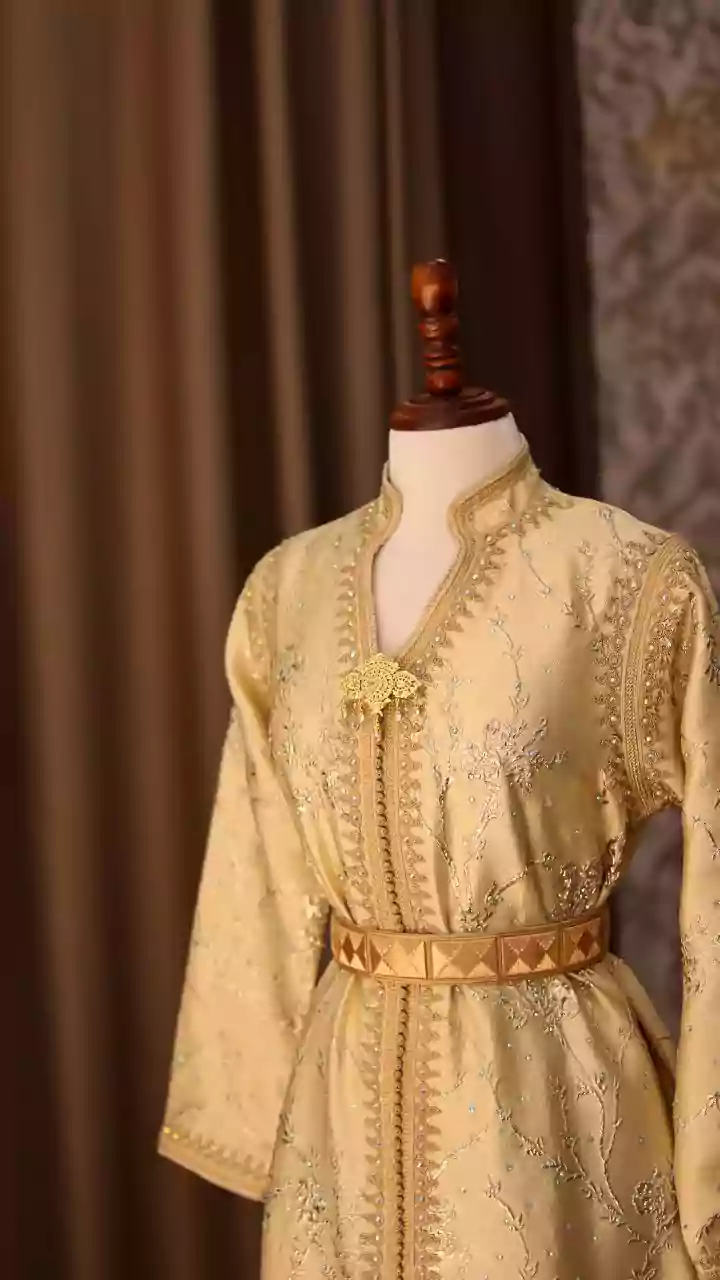
label first, as it is your most reliable guide. Common delicates include protein-based fibres like silk, wool (including cashmere and mohair), and some animal-hair blends. Other materials that require a gentle touch are lace, chiffon, satin, and certain synthetics like rayon and modal, which can be fragile when wet. Even garments with embellishments like embroidery or sequins fall into this category, regardless of the base fabric. The delicate cycle on a washing machine uses cold water and low agitation to protect these items.
The Harsh Brighteners to Avoid
The most common culprit for damaged delicates is chlorine bleach. While effective on sturdy white cottons and linens, it is a disaster for protein fibres like wool and silk, causing them to weaken, yellow, and even dissolve over time. It also destroys elastic fibres like spandex or Lycra, which are often blended into modern garments, causing them to lose their shape permanently. Even oxygen-based bleaches, often marketed as a gentler alternative, can be too harsh for certain sensitive fabrics like silk and wool, so it's crucial to read the garment's care label before proceeding. These powerful oxidising agents can strip colour, break down fibres, and cause irreversible damage, making them a high-risk choice for your most prized clothing items.
Gentle Soaking for a Brightening Boost
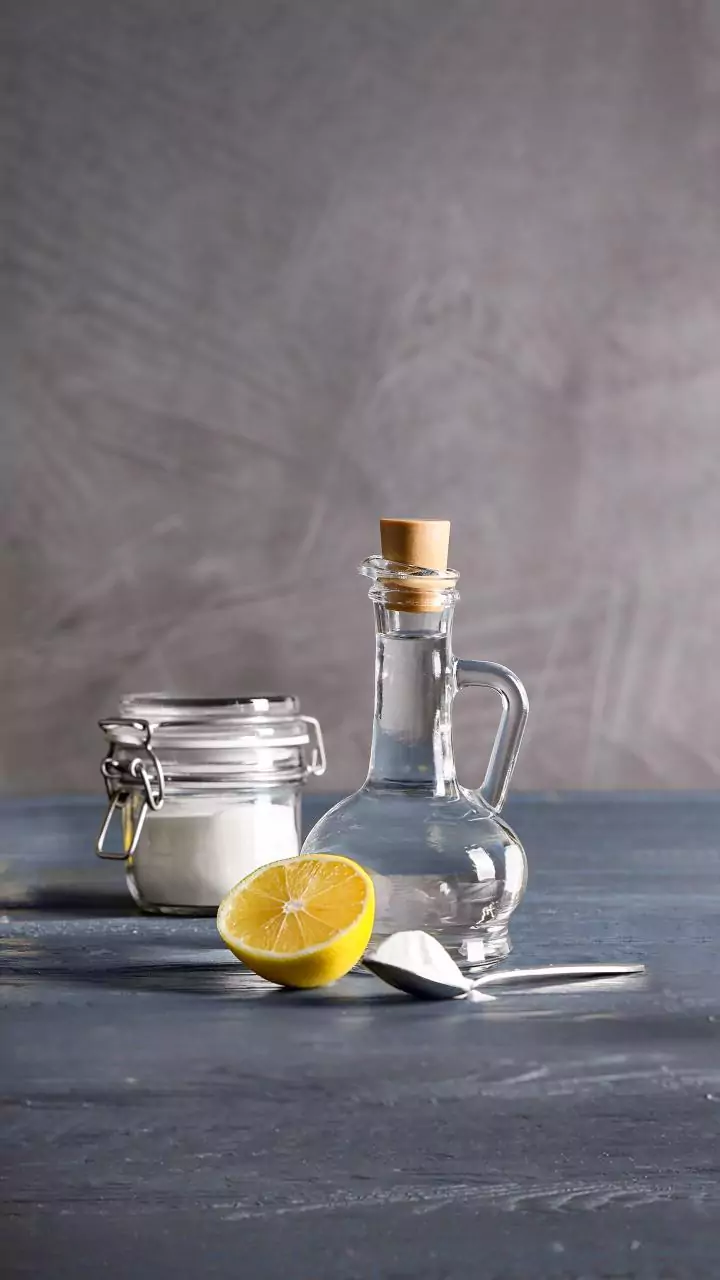
One of the safest and most effective ways to brighten delicates is a pre-wash soak. This gentle method allows a mild brightening agent to work over time without the stress of a machine cycle. For a simple soak, dissolve a half-cup of baking soda in a basin of cool water. Submerge your garments and let them sit for at least an hour, or even overnight for more significant dinginess. Baking soda helps lift grime and neutralise odours without damaging fibres. Another option is a diluted vinegar soak. Mix one part distilled white vinegar with four parts cool water and soak garments for about an hour. The mild acidity of the vinegar helps dissolve the residue from detergents and minerals that can make whites appear dull.
Safe Brightening Additives for the Wash
If you prefer to brighten during the wash cycle, there are several additives that are safe for most delicates. Adding a half-cup of baking soda directly to the drum along with your gentle detergent can help soften water and boost cleaning power. For a softening and brightening effect, you can add a cup of distilled white vinegar to your machine's fabric softener dispenser; this ensures it's released during the rinse cycle, where it can remove dulling residue without interfering with the detergent. Be careful not to mix vinegar and detergent together in the main wash, as they can neutralise each other. Another gentle option is hydrogen peroxide (3%). Adding up to a cup to your machine's bleach dispenser can help whiten and disinfect fabrics safely, though it's best reserved for all-white loads as it can cause some colour lift.
The Natural Power of Sunlight
Never underestimate the power of the sun. For many fabrics, particularly white cotton and linen, drying them in direct sunlight is a free and effective way to naturally brighten them. The sun's ultraviolet rays act as a natural bleaching agent, helping to break down stains and neutralise odours trapped in the fabric. However, this method requires caution with delicates. While great for some, prolonged exposure to harsh sunlight can cause yellowing and weakening in protein fibres like silk and wool. For these items, it's better to air-dry them flat in a shady, well-ventilated area to preserve their shape and colour.