





A Sweet Taste of Home in Orbit
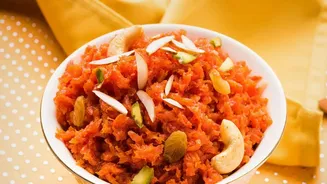
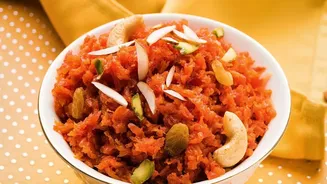
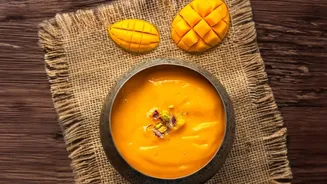
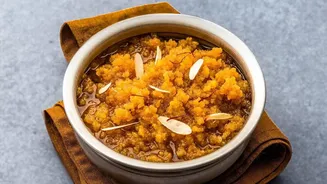
When Indian Air Force Group Captain Shubhanshu Shukla embarked on the historic Axiom-4 mission to the International Space Station (ISS), he carried more than just scientific equipment; he brought a taste of India with him. On the menu were three beloved
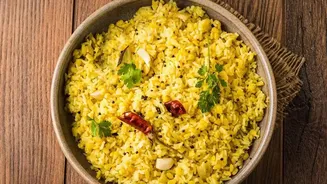
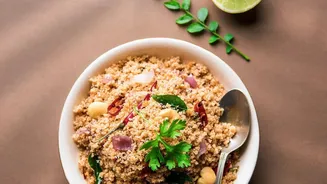
Indian delicacies: Moong Dal Halwa, Gajar Ka Halwa, and Aamras (mango nectar). These items were specially selected and prepared to provide a comforting connection to home. While an extensive menu of Indian favourites like khichdi and pulao was initially developed, only these three sweets passed the stringent certification process in time for the mission. In a delightful turn of events, the dishes were so popular with his international crewmates that Shukla happily shared the treats, which were finished before he could even have some himself.
The Science of Space-Ready Cuisine
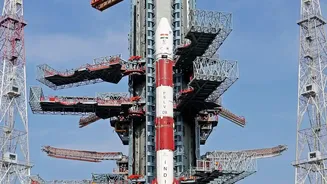
Sending food to space is a complex scientific endeavour. The Mysuru-based Defence Food Research Laboratory (DFRL), under the DRDO, is at the forefront of this effort, developing meals for India's ambitious Gaganyaan mission. Every food item must be lightweight, compact, and have a long shelf life without refrigeration. The process involves techniques like thermo-stabilisation and freeze-drying to ensure the food is safe, nutritious, and retains its flavour. Most importantly, food must not create crumbs, as floating particles can damage sensitive equipment in a zero-gravity environment. This is why tortillas are often used instead of bread, and seasonings like salt are dissolved in liquid. The successful qualification of these Indian sweets for an ISS mission provides valuable data for DFRL as it refines a wider menu for future Indian astronauts.
More Than Just a Meal
For astronauts on long-duration missions, food is about much more than just nutrition; it's a critical component of psychological well-being. Living in isolation, far from family and familiar surroundings, can be incredibly stressful. Access to comfort foods with familiar tastes and textures can significantly boost morale, reduce stress, and create a sense of normalcy. Sharing meals also plays a vital social role, helping to build camaraderie and cohesion among crew members from diverse cultural backgrounds. As one researcher noted, the longer the confinement, the more important food becomes. Shukla himself recalled craving salty and spicy Indian flavours after just two weeks in orbit, highlighting the deep-seated connection between food, culture, and emotional comfort.
A Culinary Leap for India's Space Program
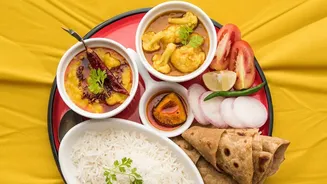
The journey of these traditional Indian sweets to the ISS marks a significant milestone. It began decades ago when Rakesh Sharma, the first Indian in space, took Suji Halwa, Aloo Chole, and Vegetable Pulao on his 1984 mission. Today's space-ready dishes are far more advanced, showcasing India's growing capabilities in food technology. The work being done at DFRL for the Gaganyaan mission includes an elaborate menu of over 30 dishes, from idli-sambar and vegetable biryani to potato parathas, all adapted for the unique challenges of space. This ensures that when India sends its own crew on its first human spaceflight mission, they will be well-fed with a comforting and diverse menu that tastes like home, representing a new level of self-reliance in India's space aspirations.