








The Spice with Two Faces
Not all cinnamon is created equal. The jar simply labelled 'cinnamon' in most supermarkets is typically Cassia cinnamon. It's inexpensive, with a strong, spicy flavour that's popular in many recipes. The other, less common variety is Ceylon cinnamon,
often called "true cinnamon". It is lighter in colour, with a milder, sweeter taste, and is generally more expensive. The crucial difference between them lies in a natural chemical compound called coumarin. While both types contain it, Cassia cinnamon has significantly higher levels—sometimes up to 250 times more than Ceylon. This is important because, in large doses, coumarin is the source of the health risks associated with excessive cinnamon consumption.
Understanding the Primary Risk: Liver Health
The main concern with high coumarin intake is potential liver toxicity. Health authorities, particularly in Europe, have studied coumarin and found that consistently high doses can cause liver stress or damage in sensitive individuals. This doesn't mean your occasional cinnamon roll is dangerous. The risk is associated with chronic, excessive intake of high-coumarin Cassia cinnamon. Symptoms of liver issues can include unexplained fatigue, abdominal discomfort, or jaundice (yellowing of the skin or eyes), though liver injury from cinnamon is considered rare. Individuals with pre-existing liver conditions are advised to be especially cautious. Beyond the liver, some people may experience mouth sores from large amounts of cinnamon, a reaction to the compound cinnamaldehyde.
How Much Cinnamon Is Too Much?
So, what does 'excessive' actually mean? The European Food Safety Authority has established a tolerable daily intake (TDI) for coumarin of 0.1 milligrams per kilogram of body weight. For a 70 kg adult, this translates to about 7 mg of coumarin per day. A single teaspoon of common Cassia cinnamon powder (about 2.6 grams) can contain anywhere from 7 to 18 mg of coumarin, potentially exceeding the daily safe limit in just that one spoonful. For this reason, many experts suggest limiting daily intake of Cassia cinnamon to about half a teaspoon or less. For small children, the safe limit is much lower. In contrast, Ceylon cinnamon contains only trace amounts of coumarin, making it a safer choice for those who consume cinnamon daily or in large quantities.
Making the Safer Choice
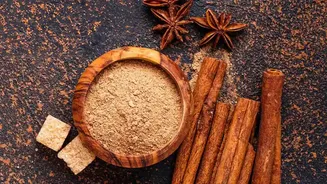
For the average person who uses cinnamon sparingly for flavour, there's little cause for concern. But if you have a daily cinnamon habit—perhaps in your morning oatmeal, coffee, or health smoothies—it’s wise to be mindful of the type you're using. Ceylon cinnamon is the clear winner for regular, heavy use. You can find it in health food stores, specialty spice shops, and online. While the powders look similar, the stick forms are visually distinct: Cassia sticks are thick, hard rolls of a single layer of bark, while Ceylon sticks are made of multiple, thin, fragile layers rolled together. Making the switch to Ceylon allows you to enjoy the flavour and benefits without worrying about coumarin levels.
Don't Forget the Benefits of Moderation
This cautionary note isn't meant to demonise cinnamon. When consumed in moderation, it's a powerful spice loaded with antioxidants, which help protect your body from damage. Studies have suggested that cinnamon may have anti-inflammatory properties, help regulate blood sugar levels, and reduce risk factors for heart disease like high cholesterol and triglycerides. The key is balance. By understanding the different types and their respective risks, you can make informed choices that allow you to continue enjoying this ancient spice safely. The goal is not elimination, but mindful consumption.