




A Spectacle 12 Years in the Making
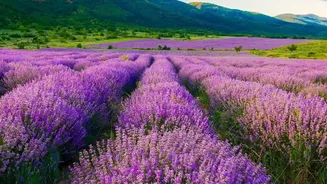
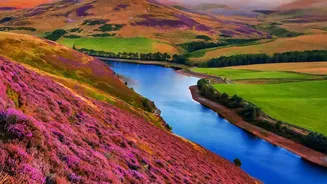
Neelakurinji, or 'Strobilanthes kunthiana', is a shrub endemic to the high-altitude shola forests of the Western Ghats. The name itself is a fusion of the Tamil words for blue ('neela') and flower ('kurinji'). What makes this plant extraordinary is its synchronised,
long-interval flowering cycle. It is a monocarpic plant, meaning it flowers just once in its lifetime, spreads its seeds, and then dies. This 12-year cycle is a fascinating evolutionary strategy known as masting, or predator satiation. By waiting over a decade to flower and produce seeds all at once, the plant overwhelms seed predators like rodents and insects. The sheer volume ensures that enough seeds survive to start the next 12-year generation. For the local Paliyan tribal community, the bloom has traditionally served as a way to calculate their age.
The 2026 Bloom: A Different Cycle
Many associate Munnar's grand Neelakurinji bloom with the one at Eravikulam National Park, home to the endangered Nilgiri Tahr. That major event last occurred in 2018, with its next appearance due in 2030. However, the Western Ghats host multiple populations of Neelakurinji, each with its own internal clock. The 2026 bloom belongs to a different cycle, primarily visible in areas like the Chokramudi and Mattupetty-Korandakkad hills. This specific population last flowered in 2014, making 2026 its scheduled return. The first flowers began to appear in August, with the peak spectacle expected through September and October as the monsoon rains recede.
Lessons from the Last Bloom
The 2018 bloom, centred around Eravikulam, was anticipated to draw over eight lakh visitors. However, the devastating Kerala floods that year severely impacted the season. Widespread landslides destroyed key roads and bridges, including the Periyavara Bridge connecting Munnar to major routes, leading to a near-total collapse in tourist arrivals. Instead of the expected crowds, visitor numbers plummeted to just over 1.2 lakh at the national park, causing significant financial loss to the local tourism economy. The experience served as a stark reminder of nature's unpredictability and the vulnerability of the region's infrastructure, prompting more robust planning for future events.
Balancing Tourism and Conservation
The 2026 bloom presents both a vital economic opportunity and a serious ecological challenge. For Munnar, it promises a much-needed influx of tourists, boosting hotels, restaurants, and local guides. However, the flower's habitat is incredibly fragile. In 2024, Strobilanthes kunthiana was officially included as a threatened species on the IUCN Red List due to habitat loss from infrastructure projects and invasive plant species. Unregulated tourism is a major threat, with the risk of visitors trampling plants, littering plastic waste, and even plucking the endangered flowers. In response, authorities are implementing strict measures. Designated viewing areas have been established at Chokramudi, with entry fees and rules against plastic and drones. The focus is on allowing people to witness the spectacle while minimising their footprint on the delicate shola grasslands.
How to Be a Responsible Visitor
Witnessing the Neelakurinji bloom is a rare privilege that comes with a responsibility. Kerala Tourism and forest officials have issued clear guidelines for visitors. The foremost rule is to stay on designated paths to avoid trampling the flowers, which also help prevent soil erosion. Plucking the flowers or uprooting plants is strictly forbidden; it harms the endangered species and is a futile effort, as the plant cannot grow at lower altitudes. The blooming areas are no-plastic zones, and visitors are urged to carry all their waste back with them. By respecting these guidelines, tourists can help ensure that this breathtaking natural event continues for generations to come, preserving the ecological balance of the Blue Mountains.