








Decoding the National Deficit
As of early August, India's cumulative monsoon rainfall was tracking around 11-12% below the long-period average (LPA). While this is an improvement from the staggering 35% deficit recorded at the end of a very dry June, the shortfall is still a major
cause for concern. This national average represents the total rainfall received across the country compared to what is considered normal for the season. A figure in the double digits indicates a substantial gap that recent rains have only partially filled. The India Meteorological Department (IMD) has also forecast that rainfall for August and September—the second half of the monsoon—is likely to be below normal, driven partly by strengthening El Niño conditions in the Pacific Ocean. This suggests the 'improving' trend may not be enough to erase the deficit completely.
A Tale of Uneven Rains
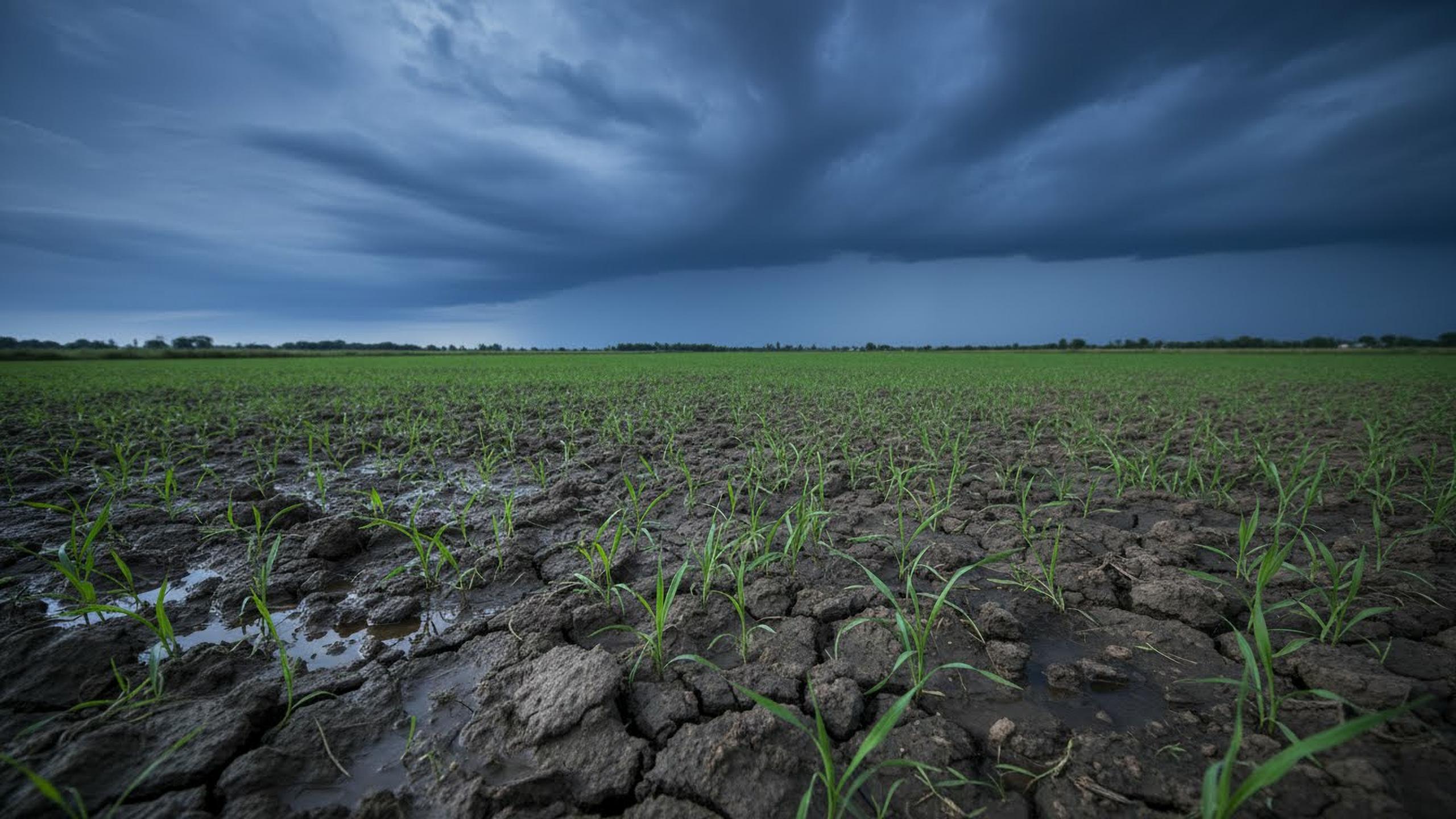
The national average hides a more dramatic story of extreme regional variations. While a new low-pressure system is bringing heavy rainfall to eastern and central India, including Odisha and Gangetic West Bengal, other parts of the country remain worryingly dry. For instance, states in the east and northeast like Bihar, Arunachal Pradesh, and Meghalaya have reported deficits as high as 36-56%. Similarly, several southern states, including Andhra Pradesh and Kerala, are also facing significant shortfalls. This uneven distribution is a critical issue; even if the national deficit narrows, regions that missed out on substantial rainfall will continue to face agricultural and water-related stress. The monsoon of 2026 is a classic example of how national totals can be misleading, with some areas battling floods while others wait for rain.
Impact on Kharif Crops
The monsoon's performance is directly tied to India's agricultural backbone, particularly the sowing of rain-fed kharif crops. The initial dry spell in June significantly delayed planting, with total sown acreage lagging behind the previous year. While a pickup in July rains helped narrow this gap, key crops like pulses and oilseeds remain vulnerable. The uneven rainfall distribution means that farmers in states with large deficits face the risk of lower crop yields. The coming weeks are crucial, as many crops enter their flowering stage, a period when adequate moisture is essential for development. Continued dryness in major agricultural belts could impact final production numbers, affecting farmer incomes and food supply chains.
Reservoir Levels and Water Security
Beyond agriculture, the monsoon is vital for replenishing India's water reservoirs, which supply drinking water and support the next crop cycle (Rabi). As of early August, water storage in the country's major reservoirs was significantly behind last year's levels, although recent inflows have provided some relief. The national live storage was around 44% of capacity in early August, compared to much higher levels in the previous year. Again, regional disparities are stark. Reservoirs in western India were in a comfortable position, but those in the southern, central, and northern regions were well below their levels from the previous year, with the south facing a particularly sharp decline. This raises concerns for post-monsoon water availability for cities and for irrigation during the dry season.
The Economic Ripple Effect
The performance of the monsoon has far-reaching consequences for the Indian economy. A weak or erratic monsoon can dampen rural demand, which is a significant driver of overall economic growth. Poor crop yields can also lead to higher food inflation, putting pressure on household budgets and posing a challenge for policymakers. The agricultural sector contributes a substantial share to India's GDP, and its health is closely linked to the monsoon. While a full picture of the economic impact will only emerge at the end of the season, the current deficit and the forecast for a below-normal second half are being watched closely by economists and analysts.