
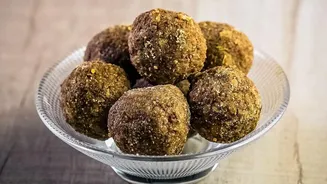
A Tradition of Warmth and Wellness
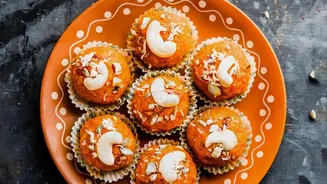
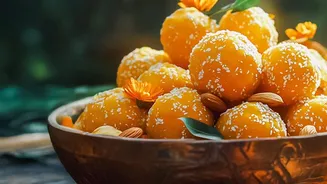
Winter ladoos are a cornerstone of seasonal eating in many Indian households. They represent a form of culinary wisdom, where ingredients are chosen not just for taste, but for their ability to support the body through colder months. Traditional recipes
call for ingredients like ghee, jaggery, nuts, and seeds, all of which are known for their warming properties and ability to provide sustained energy. This practice is rooted in Ayurveda, which links winter with the need for strength-building foods. More than just a snack, preparing these ladoos is a ritual of care, often made in large batches to last the season and shared with family.
Mindful Indulgence: Why Portion Size Matters
While homemade ladoos are packed with wholesome ingredients, they are also energy-dense. Ghee, nuts, and jaggery, though nutritious, are high in calories. This makes portion control a relevant and sensible practice. Enjoying these treats mindfully allows you to savour the flavour and tradition without overindulging. Experts suggest that even for traditional sweets, moderation is key to balancing enjoyment with health. A single ladoo with a cup of tea or as a small dessert can be a satisfying way to partake in the seasonal comfort they offer. Thinking of a portion as one or two small, bite-sized pieces is a good guideline.
Exploring the Varieties of Winter Ladoos
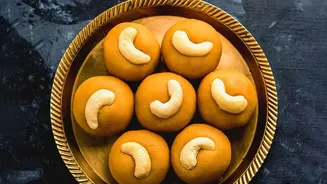
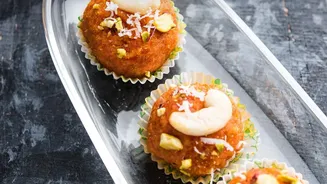
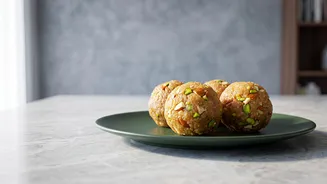
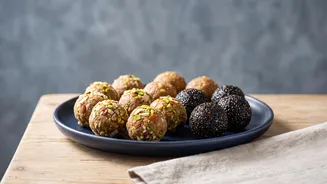
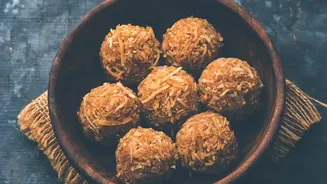
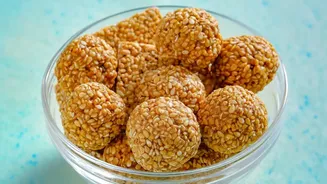
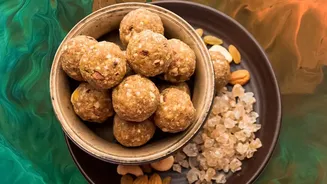
The world of winter ladoos is rich with textural and flavourful diversity, with each type offering unique benefits. Til Ladoos: Made with roasted sesame seeds (til) and jaggery, these are a quintessential winter sweet. Sesame seeds are considered a warming food and are a great source of calcium and healthy fats, making them ideal for the cold season. The flavour is nutty and earthy, offering a perfect balance to the sweetness of the jaggery. Gond ke Ladoos: These are made with gond (edible gum) fried in ghee until it puffs up. Often combined with whole wheat flour, nuts, and jaggery, gond ladoos are known for strengthening bones and boosting immunity. They have a unique, slightly crunchy texture and are traditionally given to new mothers to help with recovery and to people of all ages to build strength. Dry-Fruit Ladoos: A more modern and often sugar-free take, these ladoos are packed with nuts and dried fruits like dates, figs, and almonds. Dates often serve as the natural sweetener and binding agent, eliminating the need for jaggery or sugar. These are dense, nutrient-rich energy bites, perfect for a quick and healthy snack on a cold morning. Besan Ladoos: While enjoyed year-round, besan (gram flour) ladoos are a comforting winter favourite. The gram flour is slow-roasted in ghee until it becomes aromatic and nutty, then mixed with sugar or jaggery. Rich in protein, these ladoos are both filling and satisfying.
Tips for Perfect Homemade Ladoos
Making ladoos at home is a rewarding process, and a few key techniques can elevate the result. Always roast your flours and nuts on a low flame to develop a deep, aromatic flavour without any bitterness. Using good quality ghee is essential, as it provides richness and helps bind the mixture. When working with gond, ensure it is fried well in hot ghee until it puffs up completely; undercooked gond can cause stomach discomfort. To shape the ladoos, work with the mixture while it is still warm, as this helps them hold their form as they cool. This process allows you to create treats that are not only delicious but also filled with the care of a homemade tradition.