




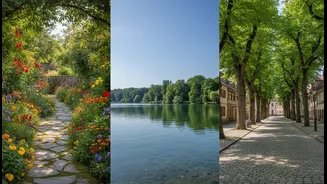



The Original Human Gym
Long before gyms, subscription apps, and boutique fitness classes, there was the earth beneath our feet. For millennia, nature was the original, and only, gymnasium. Our bodies evolved to navigate uneven terrain, our minds to find calm in green spaces.
This innate connection is explained by the 'biophilia hypothesis,' a term popularised by biologist E.O. Wilson, which suggests that humans have an inherent desire to connect with nature. This isn't just a romantic notion; it’s backed by science. Studies consistently show that exercising outdoors, or 'green exercise', delivers a powerful mental health boost that indoor workouts often can't match. Spending time in nature can reduce stress, alleviate anxiety and depression, and improve your mood in as little as five minutes. The benefits are physical, too. Exposure to sunlight helps our bodies produce essential Vitamin D, and varied outdoor terrain challenges more muscle groups, improving stability and strength in ways a treadmill can't. This deep, evolutionary bond is a fundamental part of our well-being, a resource that should be accessible to all.
The Wellness Industry's Price Tag
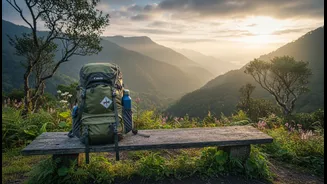
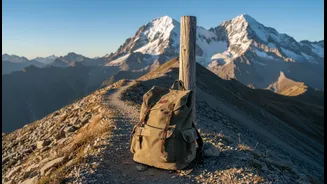
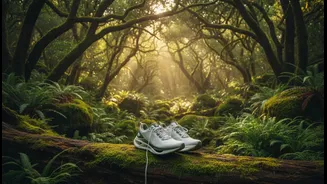
The wellness industry, now a multi-trillion-dollar global market, is exceptionally skilled at monetising simplicity. Just as it turned hydration into a status symbol with designer water bottles and sleep into a tech-heavy event, it is now commercialising our relationship with the outdoors. The serene practice of 'Shinrin-yoku' or 'forest bathing' is a prime example. What began in Japan as a simple, free public health practice of mindfully immersing oneself in the forest atmosphere is now sold as expensive guided retreats. You can find multi-day 'forest bathing' packages costing tens of thousands of rupees, complete with certified guides and curated experiences. The gear market has exploded, suggesting you need high-performance, moisture-wicking apparel just for a walk in the woods. Suddenly, a simple hike is framed as an expedition requiring specialised footwear, GPS watches, and expensive backpacks. This commercialisation creates a false barrier to entry. It sends a message that connecting with nature requires a significant financial investment, transforming a universal birthright into a consumer choice.
What We Lose When Nature is Marketed
When nature-led fitness becomes a product, we lose more than just money. We lose authenticity. The spontaneous joy of discovering a new trail is replaced by a pre-packaged, guided itinerary. The quiet, personal mindfulness of listening to birdsong is interrupted by a coach’s instructions. It shifts the focus from intrinsic experience to extrinsic validation—did I get my money's worth? Am I wearing the right brand? The commodification of outdoor activity risks creating a two-tiered system of wellness: a premium, curated version for those who can afford it, and a perception that anything less is an inferior experience. This fundamentally misunderstands the point. The greatest benefits of nature—the mental clarity, the stress reduction, the feeling of connection—are not found in a price tag. They are found in the simple act of being present in a natural environment. By making it exclusive, we discourage participation and foster a culture of inadequacy, where people may feel they lack the 'right' gear or 'expert' guidance to even begin.
Reclaiming Your Natural Playground
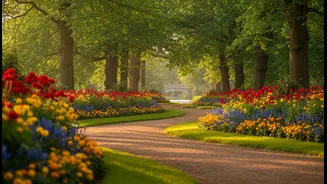
The good news is that rejecting this commercial trend is easy, because the most authentic version of nature-led fitness is, and always has been, free. Your local park is a dynamic, no-cost gym. You can do bodyweight exercises like squats, push-ups, and lunges on the grass. Park benches are perfect for tricep dips and incline push-ups. India is blessed with incredible natural diversity, from its long coastlines perfect for beach runs to urban green spaces for a brisk walk. Many cities have community-run jogging groups or trekking clubs that offer camaraderie without a hefty fee. Exploring nearby trails, even small ones on the outskirts of the city, costs nothing more than your time. You don't need expensive gear; comfortable clothes and a good pair of shoes are more than enough for most activities. The goal is to move your body and engage your senses. Focus on the feeling of the sun on your skin, the sound of the wind, and the rhythm of your own breath. This is the essence of nature fitness, and it's available to everyone, right now.