




The Sun’s Missing Ingredient
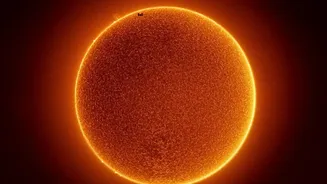
Compared to other stars of similar size and age, our Sun has a mystifyingly low amount of lithium. This light element, mostly created just after the Big Bang, is easily destroyed in the intense heat of stellar interiors. In a star like the Sun, material
from the surface circulates in a vast outer layer called the convection zone. This process dredges surface elements down into hotter regions. Lithium burns up at temperatures around 2.5 million degrees Kelvin, while the slightly heavier element beryllium is destroyed at around 3.5 million degrees. The Sun’s surface has only about 1% of the lithium it should have, suggesting its convection zone is very efficient at destroying it. But standard models of solar evolution haven't been able to fully explain why the Sun's lithium depletion is so extreme compared to its peers.
A Radical New Theory: A Planetary Meal
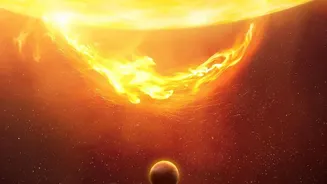
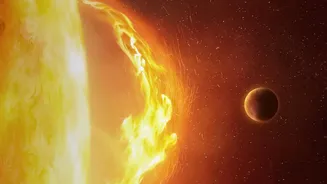
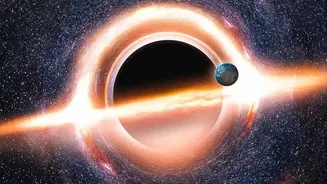
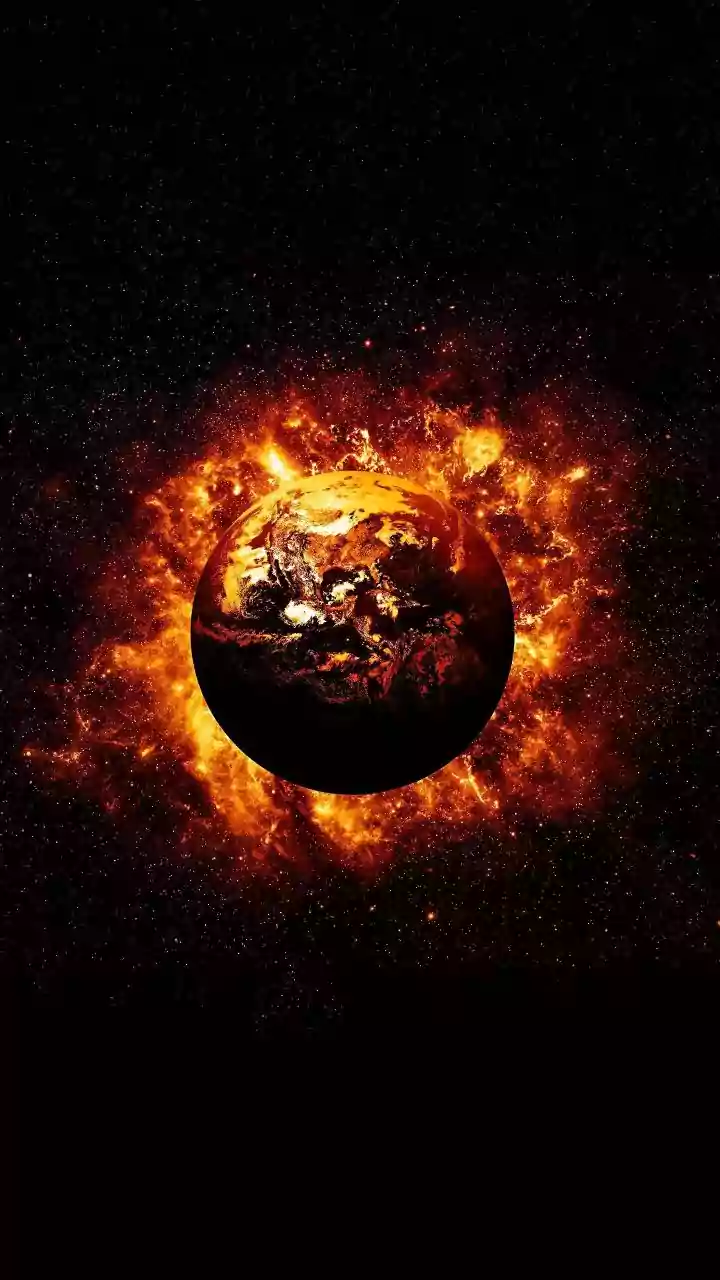
A team of researchers led by Professor Mutlu Yildiz of Ege University in Turkey has proposed a startling explanation for this solar anomaly. According to their study, published in the journal Monthly Notices of the Royal Astronomical Society, the young Sun may have engulfed a large planet billions of years ago. Using advanced computer models, the scientists simulated the Sun's evolution and found that the ingestion of a planet could account for several discrepancies between models and observations, including the lithium deficiency. The theory suggests that the material from this doomed planet didn't just burn up on the surface but plunged deep into the star, leaving a lasting chemical and structural signature.
What Exactly is a Super-Earth?
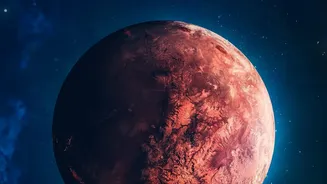
The hypothetical lost planet falls into a category astronomers call a “Super-Earth.” These are planets with a mass greater than Earth's but considerably less than that of our solar system's ice giants, Neptune and Uranus. The best-fitting models from the study point to a swallowed planet between five and ten times the mass of Earth. Interestingly, while Super-Earths are extremely common in other star systems discovered across the galaxy, our own solar system curiously lacks one. This absence has been another long-standing puzzle. This new theory provides a potential, albeit destructive, answer: our solar system may have once had a Super-Earth, but it spiraled inward and was consumed by our star in its chaotic youth.
How a Planetary Plunge Changes a Star
How could swallowing a planet change the Sun's composition so profoundly? The researchers' models suggest that a dense, rocky planet could penetrate the Sun’s fiery outer layers and deliver its material deep into the interior, beneath the turbulent convection zone. This heavy planetary material would have settled in a layer, subtly altering the structure deep inside the star. This change, in turn, could affect the way heat is transferred and how the convection zone behaves, leading to the more efficient destruction of lithium at the surface over billions of years. The event wouldn’t just solve the lithium problem; the models show it also helps resolve other minor, but persistent, mismatches between the observed internal structure of the Sun and what standard theories predict.
A Chaotic Past and an Enduring Mystery
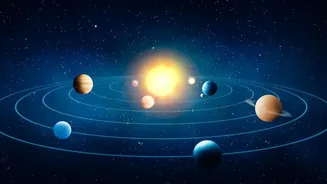
The idea of our Sun eating a planet paints a picture of a far more violent and chaotic early solar system than the orderly one we know today. Evidence from asteroids and planetary orbits suggests this early period was marked by frequent collisions and shifting planets. A Super-Earth forming near the Sun and then migrating inward is consistent with theories about how planetary systems form. It is important to remember this is a hypothesis based on models, not direct proof. However, the scientists believe the chemical and structural fingerprints predicted by their work could potentially be confirmed by future, more precise observations of the Sun's interior. Whether confirmed or not, the theory pushes us to reconsider the wild history of our own cosmic neighborhood.