




A Different Philosophy of Sweetness
In traditional Mediterranean eating patterns, found in countries like Greece, Italy, and Spain, dessert is not an everyday affair laden with refined sugar and heavy creams. Instead, the focus is on appreciating natural flavours. While celebratory meals
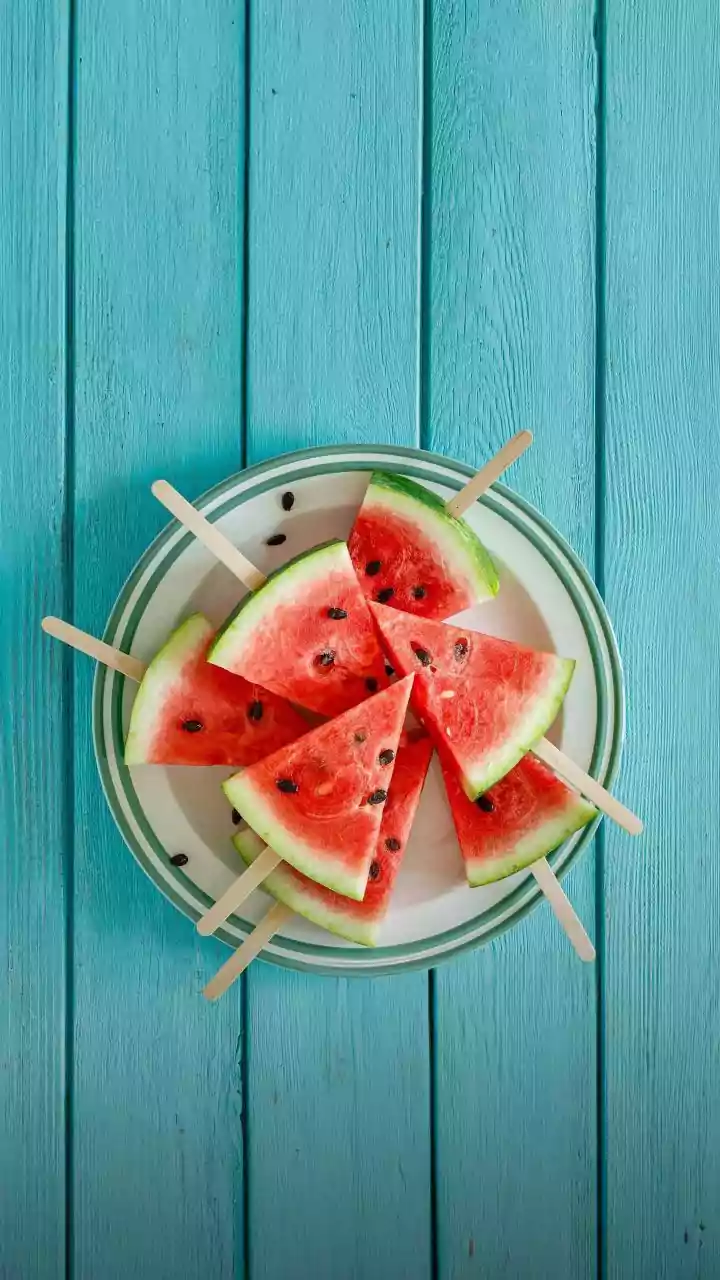
might feature pastries like baklava or olive oil cakes, the daily sweet course is much simpler and healthier: fruit. This isn't seen as a deprivation but as a highlight. The philosophy is to savour the sweetness nature provides, whether it's a juicy peach in summer, a handful of dates in autumn, or a bright orange in winter. This approach redefines dessert, shifting it from a guilty indulgence to a nourishing and enjoyable end to a meal.
The Undeniable Health Perks
Choosing fruit over a highly processed dessert comes with a wealth of health benefits. Fruits are packed with essential vitamins, minerals, and antioxidants that support overall health. Unlike sugary desserts that cause a rapid spike and crash in blood sugar, the natural sugars in fruit are paired with fibre. This fibre slows down sugar absorption, providing a more stable energy release and promoting a feeling of fullness. A diet rich in fruit is linked to a lower risk of heart disease, type 2 diabetes, and obesity. It also supports good gut health by feeding beneficial bacteria and promotes healthy digestion. By making this simple swap, you're not just cutting out empty calories; you're actively adding vital nutrients to your diet.
More Than Just a Piece of Fruit
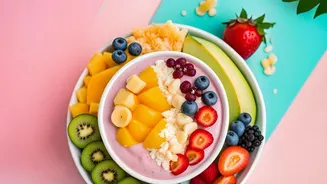
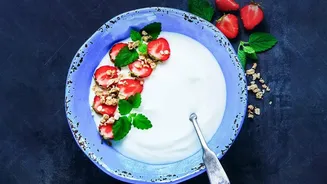
The Mediterranean approach to fruit dessert is anything but boring. It’s about elevating the natural product with simple, complementary ingredients. Imagine grilled peaches drizzled with honey and topped with a spoonful of creamy Greek yogurt. Or think of baked apples stuffed with walnuts and a sprinkle of cinnamon. A beautiful platter might feature sliced oranges, bananas, and pears, generously dusted with cinnamon and drizzled with honey. Other simple yet elegant ideas include fresh figs served with a dollop of ricotta, dates stuffed with almonds, or a vibrant bowl of mixed berries with a sprig of mint. These preparations take only minutes but transform simple fruit into a truly special-feeling treat.
How to Embrace the Habit
Adopting this healthy habit is easier than you think. Start by exploring your local market and focusing on what's in season—it will be more flavourful and affordable. Begin with one or two nights a week, serving a simple fruit platter after dinner instead of your usual sweet dish. Pair fruits with other healthy fats and proteins to make it more satisfying; a handful of nuts or a bowl of dahi (yogurt) works wonders. Keep a well-stocked fruit bowl on your counter to serve as a visual reminder. Over time, you may find your palate changes, and you begin to crave the complex, natural sweetness of fruit more than the one-dimensional hit of refined sugar. It’s a small change that can lead to a more mindful and healthier relationship with food.