


The Unsavory Truth About Fake Paneer
What looks and feels like paneer might be a block of harmful chemicals. Fake or adulterated paneer is often a concoction designed to mimic the real thing at a lower cost. Instead of being made from pure, curdled milk, it can be a mixture of starch, flour,
and vegetable fats like palm oil to give it bulk and a fatty texture. More alarmingly, some producers use synthetic milk made from a toxic blend of detergent, caustic soda, shampoo, and urea. These ingredients are not only devoid of nutritional value but are dangerous for consumption. This fraudulent practice is driven by high demand and the opportunity for higher profits.
A Recipe for Serious Health Risks
Consuming adulterated paneer is not just disappointing; it's a significant health hazard. Short-term effects can include stomach cramps, vomiting, diarrhea, and other gastrointestinal issues. However, the long-term consequences are far more severe. The chemicals used can strain the digestive system, liver, and kidneys. Regular exposure to substances like formalin (a prohibited preservative sometimes found in fake paneer), detergents, and urea can lead to hormonal disruption, organ damage, and even increase the risk of cancer. Children and pregnant women are particularly vulnerable to these hidden dangers.
Your Guide to Spotting the Fakes
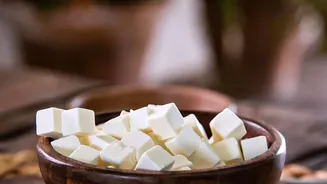
Fortunately, you don't need a lab to protect your family. There are several simple tests you can perform at home to check the purity of your paneer. First, check the texture. Real paneer is soft and crumbles easily, while fake paneer often feels hard, rubbery, or unnaturally smooth. Second, perform an iodine test. Boil a small piece of paneer in water, let it cool, and add a few drops of iodine solution. If the paneer turns blue or black, it contains starch and is adulterated. You can also try a smell test; pure paneer has a mild, milky aroma, whereas a chemical or soapy smell is a major red flag. Finally, when cooked, real paneer will brown gently, but fake paneer may become rubbery or release excess water.
The Official Fight for Food Safety
Food safety authorities are taking this threat seriously. The Food Safety and Standards Authority of India (FSSAI) has identified paneer as one of the most frequently adulterated food items and has ordered nationwide crackdowns. These enforcement drives involve intensified inspections, collecting samples for testing, and tracing supply chains to dismantle illegal operations. Recent actions have seen authorities in states like Gujarat and Maharashtra seize large quantities of adulterated paneer and even issue temporary bans on 'analogue paneer'—a vegetable oil-based substitute often sold deceptively as the real thing. FSSAI is also pushing for stricter labeling rules to ensure consumers are not misled.