



A Full-Body Strength Session
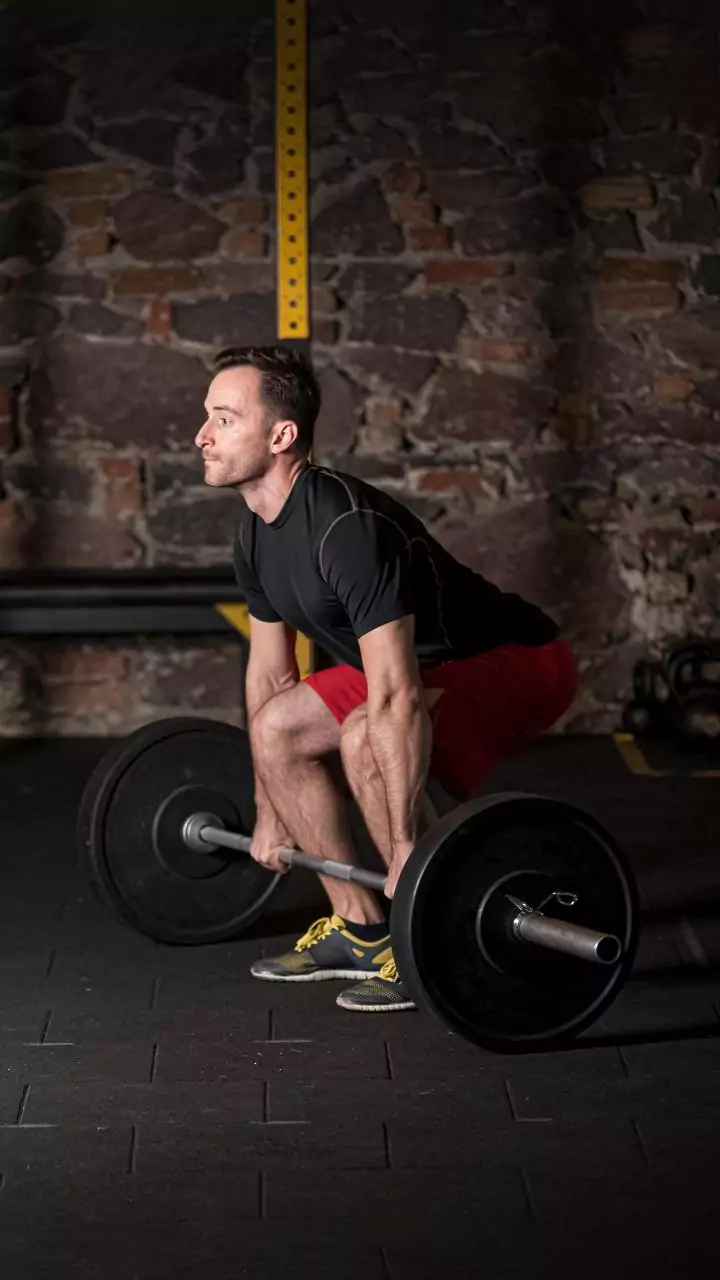
At its core, tug-of-war is a battle of strength. The primary force generation comes from your lower body. Your legs, particularly the quads and hamstrings, act as the engine, digging into the ground to create a stable and powerful base. From there, the effort
travels up through your core, which must remain incredibly tight to transfer that force from your legs to the rope. This isometric contraction—where your muscles are engaged but not changing length—is a fantastic way to build core stability. Finally, your upper body comes into play. Your back, shoulders, arms, and especially your grip are all engaged in a grueling test of endurance. Muscles across the upper and lower body are recruited to maintain tension and pull, making it a comprehensive strength-building exercise.
The Unexpected Cardio Burn
While the grunting and straining make the strength component obvious, the cardiovascular benefits are just as significant. A competitive tug-of-war match is rarely over in a few seconds. These contests can last for minutes, requiring a sustained, high-intensity effort. This prolonged exertion keeps your heart rate elevated, pushing your body into an aerobic and anaerobic state. The intense nature of the game boosts circulation and improves overall cardiovascular health. Studies have even shown that the aerobic power of elite tug-of-war athletes is notably high, sometimes surpassing that of other powerful athletes like rugby forwards. This is because the body must continuously supply oxygen to the straining muscles, making it a powerful conditioning tool.
More Than Just Physical Gains
Beyond the muscular and cardiovascular benefits, tug-of-war offers a unique mental and social workout. It is the quintessential team sport, where individual strength is less important than coordinated effort. Success depends on synchronizing movements and pulling as a single, cohesive unit. This builds communication, strategy, and teamwork. Furthermore, the sheer physical and mental demand of holding on and fighting for every inch builds incredible mental endurance and grit. Participants must remain focused under extreme physical stress, a skill that translates well beyond the playing field.
Proper Form and Staying Safe
To reap the benefits and avoid injury, proper technique is crucial. Maintain a solid stance with your feet shoulder-width apart and your knees bent, leaning back to use your body weight effectively. Keep your back straight and your core engaged to protect your spine. The pull should be a steady, whole-body effort, not a jerky motion with your arms. It's also essential to play on a soft surface like grass to cushion any falls and to ensure the play area is clear of hazards. Players should always remain on their feet; sitting or intentionally falling to gain leverage is not only against the rules in official competitions but also increases the risk of injury. Good sportsmanship and clear start-and-stop signals are also vital for a safe and enjoyable game.