
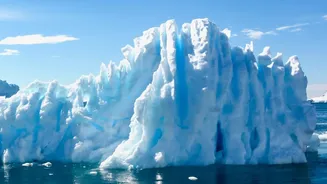
A Colossal Break in the Arctic
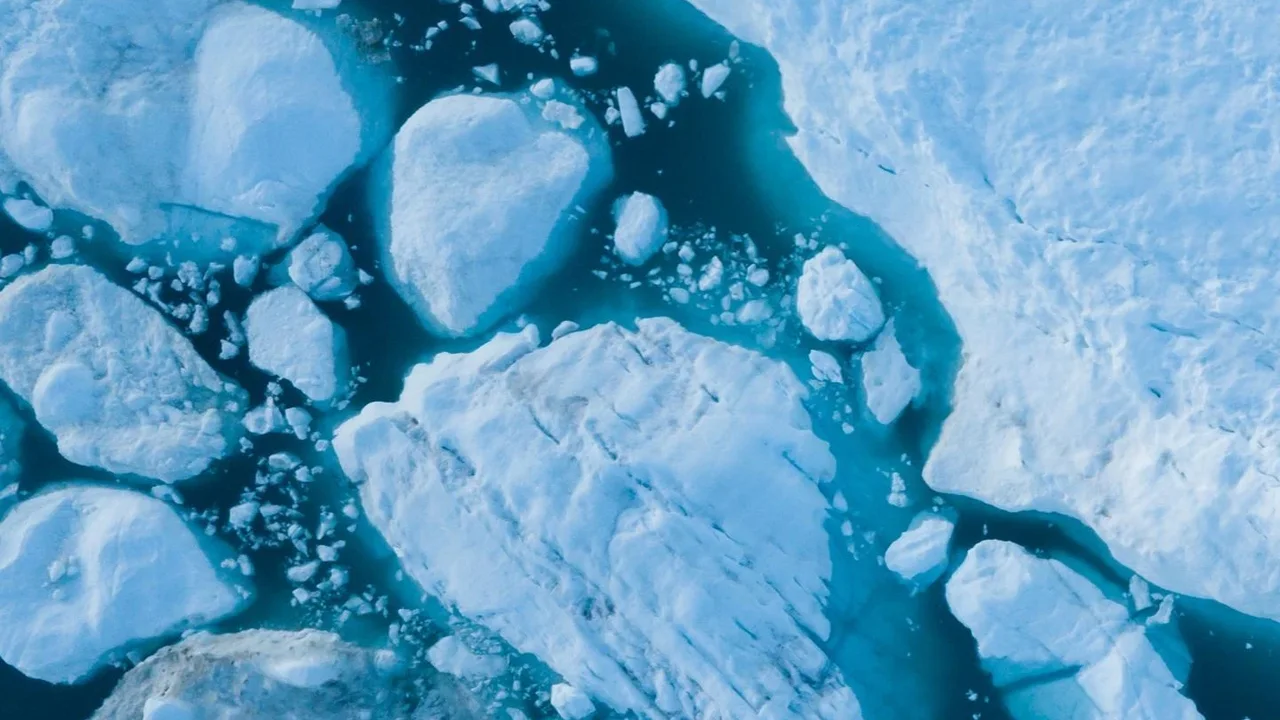
On August 4, 2026, a vast section of Petermann Glacier's floating ice tongue calved, or broke away, creating a new 'ice island' in the Arctic Ocean. The European Space Agency's Copernicus Sentinel-1 satellite mission captured the event, revealing that
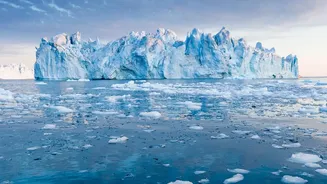
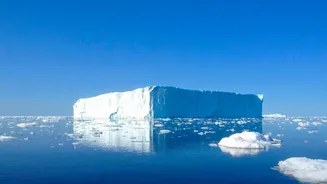
a 76-square-kilometre piece of ice had detached. This tabular iceberg, a flat-topped and steep-sided mass, is estimated to be up to 150 metres thick. The break represents the glacier's most significant loss of floating ice since 2012 and is the largest single calving event recorded anywhere in the Arctic since 2020. Scientists, who had been monitoring growing fractures in the glacier for years, were anticipating a major break, but seeing it finally happen was still described as remarkable.
The Eyes in the Sky
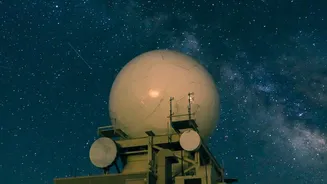
This event was not a surprise, thanks to constant monitoring from above. An international team of researchers has been tracking the glacier since 2019, using satellite data to document expanding fractures and other signs of instability. The Sentinel-1 mission was particularly crucial. Because it uses radar technology, it can see through the thick clouds and polar darkness that often obscure the Arctic, providing systematic, long-term observations. In the days leading up to the break, imagery showed a pronounced deterioration along the ice tongue's centreline. In fact, data collected as early as April 2026 had already revealed the deformation and fractures that would ultimately lead to this massive calving event.
Why Petermann Glacier Is a Global Concern
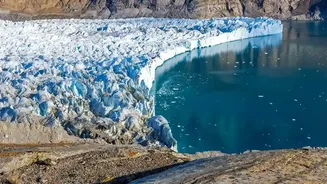
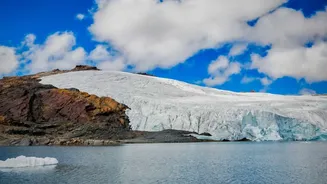
Petermann is one of Greenland's largest and most significant glaciers. It features a long floating 'ice tongue', a section of the glacier that extends out over the ocean. These tongues act like a cork in a bottle, providing a buttressing effect that slows down the flow of the inland ice sheet behind them. When large pieces break off, this restraining force is weakened, which can allow the glacier to accelerate its flow of ice into the ocean. This process contributes directly to global sea-level rise. The entire Petermann system holds enough ice to raise global sea levels by 38 centimetres if it were all to melt. Previous major calving events in 2010 and 2012 have already been linked to a roughly 10% increase in the glacier's speed, demonstrating the direct connection between ice loss and accelerated melt.
Natural Cycle or a Warming World?
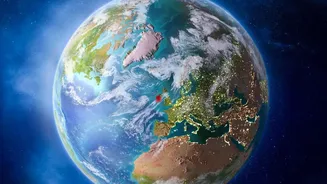
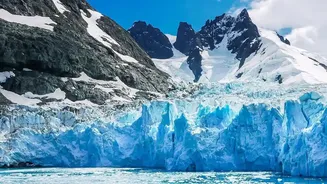
While glaciers naturally calve icebergs, the scale and frequency of these events are influenced by climate change. Warming air and, more critically, warming ocean temperatures are eroding Greenland's glaciers from below. Studies have shown that warmer ocean tides are melting the Petermann Glacier's grounding line—the point where the glacier lifts off the seabed and begins to float—causing it to retreat faster than previously thought. The influx of enormous amounts of fresh meltwater into the North Atlantic can also have wider consequences, potentially altering ocean circulation patterns and even influencing weather systems far away, such as intensifying heatwaves in Europe. While this specific calving is part of a process scientists have watched for years, it occurs within a broader context of rapid, climate-driven change across the Arctic.
What Happens Next?
Scientists will now track the journey of this new, Manhattan-sized ice island. Such large, thick icebergs can survive for years, posing a potential hazard to shipping routes as they drift and eventually break into smaller, harder-to-track pieces. Meanwhile, the focus remains on the Petermann Glacier itself. Researchers have already identified further rifts in the remaining ice tongue, suggesting that this may be just one in a series of major breaks. It is estimated that two more large sections could break away in the near future, which would collectively shrink the ice tongue by over 20 percent. This ongoing disintegration serves as a powerful and visible reminder of the changes transforming Earth's polar regions and their far-reaching impact on the global climate system.