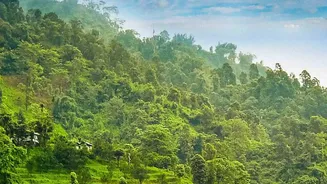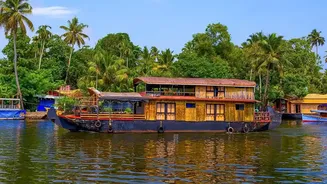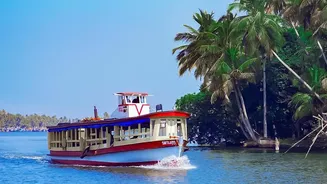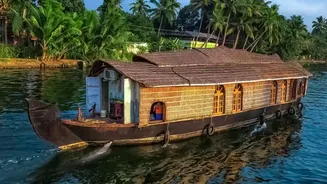




More Than Just a Holiday Destination
For decades, tourism has been a major economic driver for Kerala. Yet, like many popular destinations, it faced the risk of environmental damage, cultural erosion, and economic benefits not reaching local communities. In response, the state shifted its focus
from mass tourism to a more conscious approach. Instead of simply attracting more visitors, the goal became about creating 'better places for people to live in and for people to visit'. This philosophy is the core of its Responsible Tourism (RT) Mission, a dedicated government initiative that has since won numerous international awards, including recognition from the United Nations World Tourism Organization (UNWTO).
The Three Pillars of Responsible Tourism
Kerala's model is built on what is known as the 'triple bottom line': economic, social, and environmental responsibility. The core idea is to ensure that tourism is not an extractive industry but a regenerative one. Economically, it focuses on creating livelihoods for local people and ensuring that tourism revenue stays within the community. Socially, it aims to preserve local culture and heritage by making it a central part of the visitor experience, rather than a sideshow. Environmentally, it promotes the conservation of natural resources, which are the very foundation of the state's appeal. This approach has been institutionalised, making Kerala a pioneer in linking tourism directly to sustainable development goals.
Putting People at the Centre
The true genius of Kerala's model lies in its execution. The RT Mission actively connects tourism businesses with local farmers, artisans, and cultural performers. This means the vegetables served in a resort might come from a nearby farm, the handicrafts sold in a souvenir shop are made by a local women's cooperative, and the cultural program a tourist enjoys directly supports the artists. This creates a powerful link between the tourism industry and the local economy, empowering thousands and fostering entrepreneurship, particularly among women. Initiatives like homestays and village life experiences allow tourists to have more authentic interactions while directly contributing to household incomes.
Innovating with Projects like STREET
A flagship initiative of the RT Mission is the STREET project, an acronym for Sustainable, Tangible, Responsible, Experiential, Ethnic, Tourism hubs. This project develops theme-based streets in rural and lesser-known areas, such as Green Streets, Water Streets, and Art Streets, each showcasing a unique aspect of the location. For example, the Maravanthuruthu Water Street project involved reviving local canals to create kayaking and night safari experiences, turning a neglected area into a vibrant destination. This helps to spread out tourists from overcrowded spots and brings development to the interiors, creating new jobs and opportunities in villages that were previously untouched by tourism.
A Blueprint for India's Future
Kerala's success is not just a regional story; it offers a vital, replicable model for the rest of India. Many of India's most treasured destinations, from the Himalayas to its long coastline, are under immense pressure from unregulated mass tourism, leading to pollution and strain on local resources. Kerala’s approach demonstrates that it is possible to grow a tourism economy without sacrificing the environment or local culture. By prioritising community participation, empowering local governments, and focusing on high-value, low-impact tourism, it provides a pathway for other states to develop their tourism sectors in a way that is both profitable and sustainable. It proves that inclusive growth and conservation can be the twin engines of a modern tourism economy.