

A Hidden and Widespread Problem
Dental disease is one of the most common health issues diagnosed in pets. Studies show that over 80% of dogs and 70% of cats over the age of three suffer from some form of periodontal disease. The problem often begins silently, with a sticky film of bacteria
called plaque forming on the teeth. If not removed, this plaque hardens into tartar within a couple of days, leading to gum inflammation (gingivitis), bad breath, and eventually, more severe issues like bone loss, pain, and tooth loss. Pets are masters at hiding discomfort, so owners may not notice a problem until the disease is advanced. In India, factors like soft homemade diets and high humidity can accelerate bacterial growth, making diligent care even more critical.
The Gold Standard: Daily Brushing
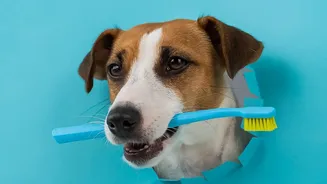
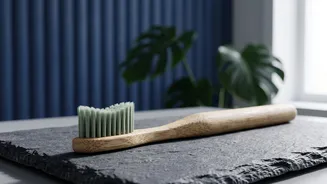
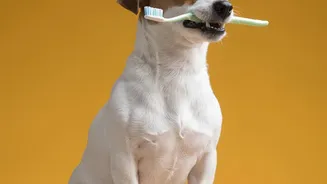
Veterinarians agree that daily tooth brushing is the single most effective thing you can do for your pet's oral health. Brushing physically disrupts the plaque biofilm before it can mineralize into hard tartar, which a brush cannot remove. While the idea might seem intimidating, many pets can learn to accept it with patience. Start by letting your pet taste the pet-specific toothpaste, then gradually introduce the sensation of touching their teeth and gums with your finger before moving on to a soft-bristled brush. Focus on the outer surfaces of the teeth, angling the bristles toward the gumline. Aim for daily sessions, as plaque can harden in less than 36 hours. Never use human toothpaste, as it contains ingredients that can be harmful to pets.
The Importance of Professional Exams and Cleanings
Even with diligent brushing, professional cleanings are essential. These procedures, performed under general anaesthesia, allow a veterinarian to conduct a thorough examination and cleaning that isn't possible on a conscious animal. Anaesthesia is crucial for safety and allows the vet team to clean below the gumline, which is where the most serious problems begin. A professional cleaning typically involves several steps: a full oral exam, probing each tooth to check for pockets, taking full-mouth X-rays to see beneath the gums, scaling to remove tartar, and polishing to smooth the tooth surface. This is the only way to diagnose and treat existing disease and remove hardened tartar buildup.
Where Dental Treats and Chews Fit In
So, where do dental treats fit into this picture? They are best viewed as a helpful supplement to brushing and professional care, not a replacement. The mechanical action of chewing can help scrape away some plaque, and many treats contain ingredients that may help freshen breath. However, they cannot clean below the gum line or remove existing tartar. When choosing a dental product, look for the Veterinary Oral Health Council (VOHC) Seal of Acceptance. This seal indicates the product has been scientifically proven to reduce plaque or tartar. The VOHC does not test products itself but reviews data from manufacturers to verify their claims.
Warning Signs to Watch For
Since our pets can't tell us when their mouth hurts, it's vital to watch for signs of trouble. Persistent bad breath is often the first and most common sign of a problem. Other red flags include yellow or brown tartar buildup on the teeth, red, swollen, or bleeding gums, and changes in eating habits like dropping food or chewing on only one side of the mouth. You might also notice your pet pawing at their mouth, excessive drooling, or loose or missing teeth. If you observe any of these symptoms, it's time to schedule a veterinary exam.