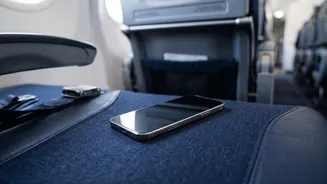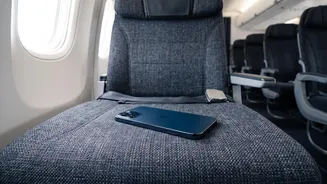






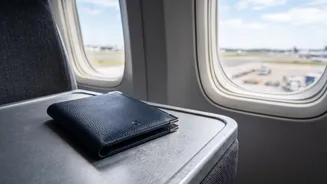

It’s a traveller’s mini-nightmare: you’ve just stepped off the plane and realise your phone, wallet, or headphones are still in the seat pocket. Your first instinct is to turn around, but you’re stopped. Why can’t you just go back?
The 'Point of No Return'
The moment you exit
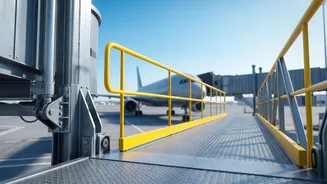
the aircraft door and step onto the jet bridge, you have crossed a significant threshold. In the eyes of aviation authorities and airlines, you have officially deplaned and completed that segment of your journey. While it may seem like a simple matter of walking a few steps back, re-entering the aircraft is prohibited for a host of complex reasons that are crucial for keeping air travel safe and efficient. This isn't just an arbitrary airline policy; it's a rule rooted in international security protocols and operational logistics that govern every flight.
Security is the Top Priority
The primary reason you cannot reboard is security. Once you leave the sterile, controlled environment of the aircraft cabin, you are technically in a different security zone. Re-entering would breach this sterile area. Aviation security bodies, like India's Bureau of Civil Aviation Security (BCAS), operate on the principle that the airside of an airport is a sanitized space. Allowing a passenger back on board creates a security loophole. There is a procedural need to ensure that every person on an aircraft has been properly screened and accounted for. Once a headcount is complete and passengers have disembarked, letting someone back on complicates the passenger manifest and security reconciliation processes that happen behind the scenes. This is a global standard stemming from regulations designed to prevent unauthorized access and potential threats.
The Headcount and Manifest
Airlines are required to maintain a precise count of every soul on board, a process known as passenger reconciliation. This count is critical for weight and balance calculations, safety procedures, and official records. When you deplane, you are officially marked as 'off' the aircraft. If passengers were allowed to re-enter, the crew would have to constantly restart and verify their counts, creating confusion and potential errors. On international flights, this is even more critical, as passenger manifests are shared with immigration and customs authorities at the destination. An inaccurate manifest can cause serious issues with border control, making strict adherence to the 'no re-entry' rule essential.
Operational Efficiency and Delays
Airlines run on incredibly tight schedules. The time an aircraft spends at the gate between flights, known as turnaround time, is meticulously planned. During this window, cleaning crews, caterers, refuelling teams, and the next flight's crew are all working to prepare the aircraft for its next departure. A passenger moving against the flow of deplaning crowds or trying to reboard interferes with this process. What seems like a 30-second dash to retrieve a forgotten item can disrupt the workflow, causing a chain reaction of delays for subsequent flights. After a plane is empty, cabin crew perform their own security and safety checks; allowing passengers back on would interrupt these vital procedures.
What to Do If You Leave an Item
So, what should you do when you realise you've left something behind? Act fast, but follow the correct procedure. If you are still on the jet bridge or at the gate, immediately alert a flight attendant or the gate agent. Do not try to re-enter the plane yourself. In many cases, a crew member can go back to your seat and retrieve the item for you. If you have already reached the terminal, head straight back to the airline's gate desk or customer service counter. Provide your flight number, seat number, and a clear description of the item. If it's too late for that, the next step is to file a lost item report with the airline, which can usually be done online. The sooner you report it, the higher the chance of it being found by the cleaning crew and returned.