






A Tradition of Internal Warmth
In India, winter isn't just about adding another layer of clothing; it's also about eating foods that generate internal heat. This concept is deeply rooted in Ayurveda, which classifies certain foods as having a 'garam taseer' or a warming effect on the body.
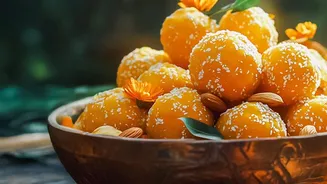
Traditional winter sweets like Panjiri and various ladoos are designed with this philosophy in mind. They are not merely indulgences but a delicious and wise way to help the body maintain its temperature, boost immunity, and stay energetic when the weather is cold and dreary. These recipes, passed down through generations, combine specific ingredients that work together to nourish and protect.
Gond: The Powerhouse Edible Gum
Gond, or edible gum, is a star ingredient in many winter preparations. Harvested from the sap of the acacia tree, this natural resin is prized for its ability to generate heat in the body. When fried in ghee, gond puffs up into light, crunchy crystals that form the base of the famous Gond ke Ladoo. Beyond its warming properties, gond is known to be excellent for bone health and lubricating joints, which can become stiff in the cold. It is also a good source of energy, fibre, and antioxidants, helping to boost immunity and support digestion. This makes it particularly beneficial for new mothers recovering postpartum and for older adults.
Sesame Seeds: Tiny but Mighty
Sesame seeds, or 'til', are synonymous with Indian winters, most notably during the festival of Makar Sankranti. Ayurveda classifies sesame as 'ushna' (warming), making it perfect for countering the cold, dry Vata dosha that dominates the season. These tiny seeds are a nutritional powerhouse, packed with healthy fats, calcium, iron, magnesium, and zinc. This profile makes them excellent for strengthening bones, boosting immunity, and improving skin and hair, which often suffer during dry winter weather. The combination of sesame seeds and jaggery (gud) in Til ke Ladoo is a classic for good reason—it provides sustained energy and essential nutrients to combat winter fatigue.
A Medley of Nuts and Dry Fruits
No winter ladoo is complete without a generous helping of nuts and dry fruits. Almonds, cashews, walnuts, and pistachios are not just there for crunch and flavour; they are dense sources of energy, protein, and healthy fats. These nutrients help keep the body fueled and warm. Almonds, in particular, are a great source of Vitamin E, which supports the immune system, while walnuts provide antioxidants. Dry fruits like dates and raisins add natural sweetness and quick energy. Many traditional recipes, like Panjiri, feature a mix of these nuts along with seeds, making them a comprehensive source of nutrition to fight off winter sluggishness and common ailments.
Ghee and Spices: The Binding Force
Ghee, or clarified butter, is the medium that brings all these warming ingredients together. Considered a warming food in Ayurveda, ghee acts as a carrier for the nutrients in the herbs and spices, helping the body absorb them more effectively. It is a source of healthy fats that provide sustained energy and help lubricate the digestive tract. Complementing the ghee are warming spices like dry ginger powder (sonth), cardamom, and nutmeg. Sonth is particularly valued for its digestive benefits and ability to ward off colds and coughs, which are common during the winter season. Together, these ingredients create a wholesome, delicious, and functional winter food.