




India's Green Awakening
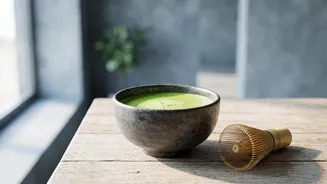
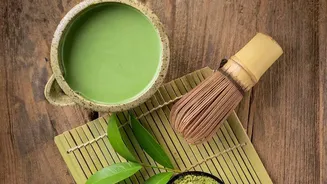
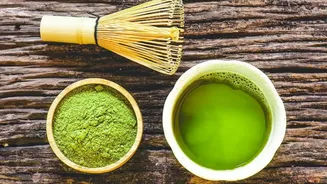
Not long ago, a matcha latte was a rare sight on an Indian menu. Today, it’s a wellness staple and a social media star. In cities like Delhi, Mumbai, and Bengaluru, cafes are prominently featuring everything from matcha smoothies to desserts. This isn't
just a fleeting trend; it’s becoming a daily ritual for many. According to Google Trends data, searches for 'how to make matcha' in India have surged by an incredible 1300% in the past year, showing a clear shift from cafe curiosity to at-home habit. This boom is fuelled by a growing health-consciousness, with consumers drawn to matcha's antioxidant properties and its promise of calm, focused energy — a welcome alternative to coffee. The market is responding, with projections showing India's matcha consumption growing at a rapid pace.
A Global Storm in a Teacup
Just as India's demand for matcha is taking off, the world is discovering there isn't enough to go around. The finely powdered tea, which requires a specialized cultivation process, is facing a significant global supply squeeze. For years, international demand has been quietly building, but it has now reached a fever pitch, overwhelming producers in Japan, the traditional heartland of high-quality matcha. Wholesalers are struggling to secure stock, and prices at major Japanese tea auctions have skyrocketed. One auction in Kyoto saw the price for tencha — the shade-grown leaves used to make matcha — jump by over 180% in a single year. This isn't a simple case of a product becoming popular; it's a perfect storm of factors that are constricting supply just as global interest peaks.
The Roots of the Shortage
So, why has matcha suddenly become so scarce? The first reason is climate change. Key tea-growing regions in Japan, like Uji and Kyoto, are experiencing rising temperatures and unpredictable weather, which damages the delicate tea bushes and reduces harvest yields. Some farmers have reported losing as much as a quarter of their crop due to extreme heat. The second factor is the highly specialised nature of matcha production. The tea plants must be shade-grown for weeks before harvest, a labour-intensive process that cannot be scaled up overnight. A new tea bush takes about five years to mature enough to produce matcha-grade leaves. Finally, Japan is facing a demographic challenge. The average age of a tea farmer is now over 70, with fewer young people taking over the trade. This has led to a shrinking area of cultivated tea fields, permanently reducing production capacity.
The Cost for Indian Consumers
For the new generation of Indian matcha drinkers, this global squeeze translates to a simple reality: higher prices. Authentic, high-quality matcha has always been a premium product, but the current shortage is pushing it further into luxury territory. This creates a challenge in a price-sensitive market like India, where the high cost was already a hurdle for many consumers. As the price of genuine Japanese matcha climbs, it also opens the door for lower-grade or even counterfeit products to enter the market. Consumers might find themselves paying a premium for powders that lack the vibrant colour, smooth flavour, and health benefits of true matcha. The situation has even spurred some Indian tea producers in regions like Assam to begin producing their own 'matcha-style' green tea powder to help fill the gap.