



A Tightening Global Rice Bowl
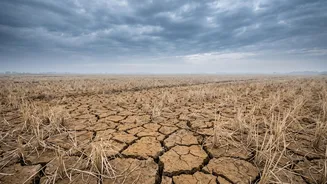
The global rice market is walking a tightrope. Forecasts for the 2026/27 season suggest that the world will consume more rice than it produces, leading to a production deficit of around 3.6 million metric tonnes. While the world isn't facing an immediate
scarcity, this shift from a surplus to a deficit signals a narrowing cushion. This tightening is happening as demand from countries like Bangladesh and the Philippines remains strong. Prices, which saw a strong rally earlier in 2026, have stabilised but remain firm. However, there is no single global price; costs are increasingly specific to the origin, grade, and market, creating an uneven landscape for importing nations. This delicate balance means that any significant shock to supply or trade can have rapid and widespread consequences.
Conflict on the Menu
Geopolitical conflicts, particularly in the Middle East, are adding immense pressure to food supply chains. While many agricultural products do not pass directly through conflict zones like the Strait of Hormuz, the indirect effects are severe. Rising fuel prices, surging freight and insurance costs, and volatility in fertilizer markets directly increase the expense of producing and transporting food worldwide. For India, the world's largest rice exporter, conflict in West Asia has already disrupted shipments of premium basmati rice, causing a 7% decline in exports in early 2026. These disruptions not only squeeze the margins of exporters but also threaten to tighten supplies of specific rice varieties on the global market, forcing buyers to seek alternatives.
The Double-Edged Sword of Export Rules
When faced with domestic price pressure or potential shortages, governments often turn to a powerful tool: the export restriction. This is the "rule" that governs much of the global food trade. Under World Trade Organization (WTO) agreements, countries are permitted to temporarily apply export bans or quotas to prevent or relieve critical shortages of essential products like food. This allows a nation to protect its own population by ensuring an adequate domestic supply and controlling prices. For a major producer like India, which has used export controls on non-basmati rice in the past, this is a key policy for maintaining national food security. However, this sovereign right comes with a major catch.
When National Rules Create Global Problems
The limits of using export restrictions become clear when their global impact is considered. While these measures can insulate one country from international price spikes, they do so by reducing the total amount of food available on the world market. This action passes the volatility and price increases onto other nations, hitting poor, food-importing countries the hardest. Historical precedent shows that export restrictions can dramatically worsen price crises; during the 2006-2008 food price spikes, such policies were responsible for a 40% increase in the international price of rice. Current WTO rules are considered weak in regulating these measures, creating a prisoner's dilemma: countries act in their own short-term interest, which can collectively lead to a full-scale crisis, threatening global food security and pushing millions into hunger.