







More Than Just Waterlogging
The familiar sight of cars stalled in flooded underpasses only scratches the surface of the problem facing India's auto industry. In the past, the primary concerns during the monsoon were mechanical issues like engine hydrolocking, where water enters
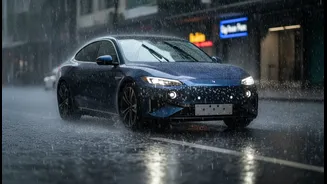
the air intake, or basic rust prevention. But today's vehicles are fundamentally different. They are computers on wheels, packed with high-voltage electrical systems, sensitive electronics, and a suite of sensors that form the bedrock of modern driving. For automakers, this technological leap means the monsoon is no longer just a seasonal inconvenience for drivers; it's a multi-billion dollar engineering and research problem. The challenge is to ensure that these advanced systems don’t just survive the Indian monsoon, but function reliably and safely through months of relentless humidity, torrential rain, and unpredictable road conditions.
The Electric Vehicle Dilemma
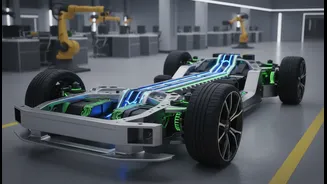
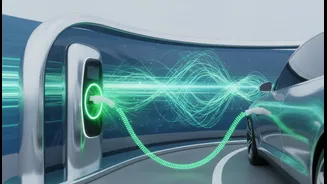
Nowhere is the test more acute than in the booming electric vehicle (EV) segment. A common question from potential buyers is whether it's safe to drive or charge an EV in heavy rain. While manufacturers have invested heavily in ensuring safety, the monsoon pushes these systems to their limits. Modern EV battery packs are rigorously sealed and typically carry an IP67 rating, meaning they can be submerged in up to one meter of water for 30 minutes without leaking. This protects against the immediate danger of short circuits. However, the rating is a lab standard using clean water, a far cry from the muddy, debris-filled water of a flooded street. Beyond the battery, the entire high-voltage architecture, from charging ports to motors, must be flawlessly insulated. Automakers are engineering robust solutions, noting that drivetrains without air intakes are less susceptible to water-related stalls than petrol or diesel engines. Still, the perception and the long-term effects of humidity on complex electronics remain a significant hurdle to overcome.
When Smart Cars Go Blind
Another critical test involves the array of sensors powering Advanced Driver-Assistance Systems (ADAS). Features like adaptive cruise control, automatic emergency braking, and lane-keeping assist rely on a constant feed of data from cameras, radar, and LiDAR. Heavy rain can severely compromise the performance of all three. Cameras, the most common sensors, can be blinded by water on the lens, reduced contrast, and glare from wet roads. LiDAR, which uses laser pulses to create a 3D map of the surroundings, is also affected. Raindrops can scatter or absorb the laser beams, creating a 'noisy' image with false readings or failing to detect distant objects accurately. Radar is the most resilient in adverse weather, but even its performance can degrade. For a car that relies on these systems for safety, a sudden downpour could effectively render its advanced features useless, transferring all responsibility back to a human driver who may not be prepared for the sudden change.
The Challenge for Connected Tech
The vision of the 'connected car' also faces a monsoon-sized obstacle. These vehicles rely on a stable connection to cellular networks and GPS for everything from real-time traffic updates and navigation to over-the-air software updates and emergency services. Severe weather events are known to disrupt communication networks, potentially leaving these smart features unavailable when drivers might need them most. Vehicle-to-everything (V2X) communication, an emerging technology that allows cars to 'talk' to each other and to infrastructure, could provide warnings about hazardous road conditions ahead. However, the reliability of these systems during the very weather events they are designed to mitigate is a significant area of development. Ensuring that a vehicle’s critical communication links remain stable through torrential downpours is a challenge that software and hardware engineers are actively working to solve.
An Unlikely Innovation Driver
While the challenges are immense, the monsoon also presents a unique opportunity for innovation. For decades, the global auto industry has tested vehicles in generic cold, hot, or wet conditions. India’s monsoon, however, offers a real-world, large-scale testbed for durability and reliability in an environment of extreme humidity and sustained, heavy rainfall. Companies that successfully engineer vehicles to conquer these conditions can build immense brand trust and a powerful competitive advantage. This involves more than just meeting international standards; it requires developing 'India-proof' solutions, from more robust sensor cleaning systems to advanced sealing materials and predictive software that adapts to weather-induced sensor limitations. The brands that invest in solving these uniquely Indian problems will not only win the market here but also develop technology that is more robust for export to other regions with challenging climates.