


What is This Tiny Grain?
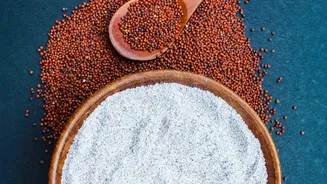
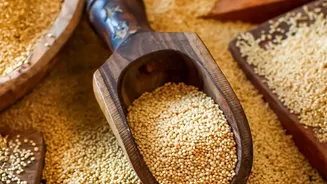
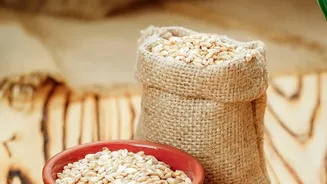
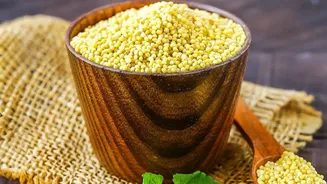
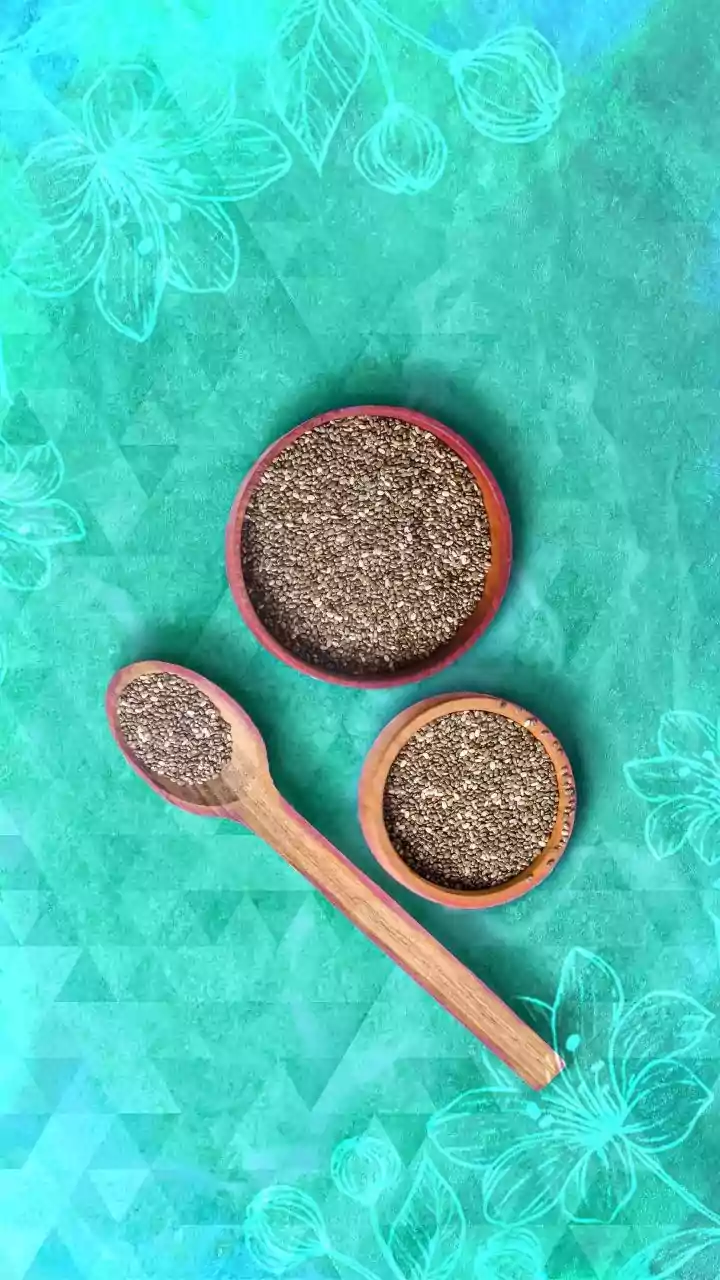
Teff is a fine, poppy seed-sized grain that has been a dietary staple in Ethiopia and Eritrea for thousands of years. Its name is thought to come from the Amharic word for “lost” because of how small the seeds are. Traditionally, it’s ground into flour
to make injera, a spongy, fermented flatbread that is central to Ethiopian cuisine. Because the grain is too small to be processed, it is always consumed in its whole form, retaining all its natural nutrients. While it is an ancient crop, teff is now gaining global recognition and is cultivated in other parts of the world, including India, to meet growing demand.
A Nutritional Powerhouse
Don’t let its size fool you; teff is a nutritional giant. It is naturally gluten-free, making it an excellent choice for those with celiac disease or gluten sensitivity. It boasts a high protein content with all the essential amino acids, which is rare for plant-based sources. Teff is particularly rich in lysine, an amino acid often lacking in other grains like wheat. Furthermore, it is an exceptional source of minerals, containing significantly more calcium than most other grains, along with high levels of iron, magnesium, and manganese. With a high fibre content and a relatively low glycaemic index, it helps regulate blood sugar levels, making it a suitable grain for diabetics and those managing their weight.
Cooking with Teff Flour
The most common way to use teff is in its flour form, which has a mild, nutty flavour. For those in India familiar with ragi or other millet flours, using teff will feel intuitive. You can start by substituting about 25% of the regular flour in your recipes with teff flour. This can add a nutrient boost and a pleasant, hearty texture to everything from pancakes and muffins to cookies and brownies. In fact, its flavour profile pairs exceptionally well with chocolate. For home cooks, consider adding a portion of teff flour to your regular atta to make nutrient-dense rotis or use it to create gluten-free dosas and idlis.
Using the Whole Grain
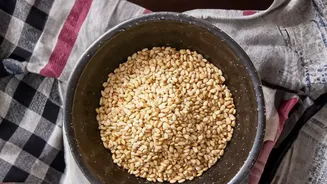
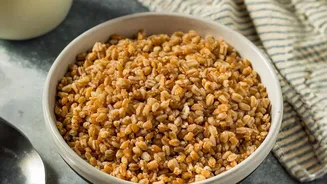
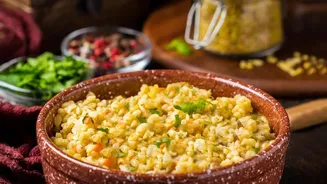
The whole teff grain is just as versatile. One of the simplest ways to prepare it is as a breakfast porridge, similar to daliya or oatmeal. Simply simmer one part teff with about three parts water for 15-20 minutes until the water is absorbed and the grain is soft. The result is a creamy, polenta-like texture. You can enjoy it sweet with honey and fruit or savoury as a side dish. The cooked grains can also be added to salads for texture, stirred into soups and stews as a natural thickener, or even used as a base for veggie burgers.
Getting Started with Teff
Introducing a new grain into your diet can be simple. If you're using the flour, try a small substitution first, such as replacing two tablespoons of flour in a favourite muffin recipe to see how you like the taste and texture. When cooking the whole grain, toast it in a dry pan for a couple of minutes before adding water; this enhances its natural nutty flavour. The cooked porridge can be cooled in a dish, firmed up in the fridge, and then cut into cakes to be pan-fried for a crispy, satisfying meal. Its versatility means it can easily be incorporated into almost any meal, adding a significant nutritional boost with minimal fuss.