




An Observatory Against the Clock
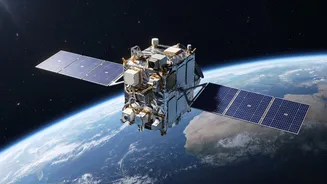
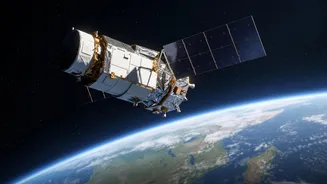
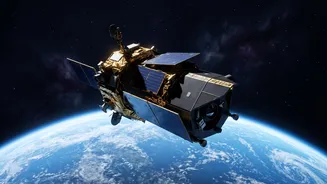
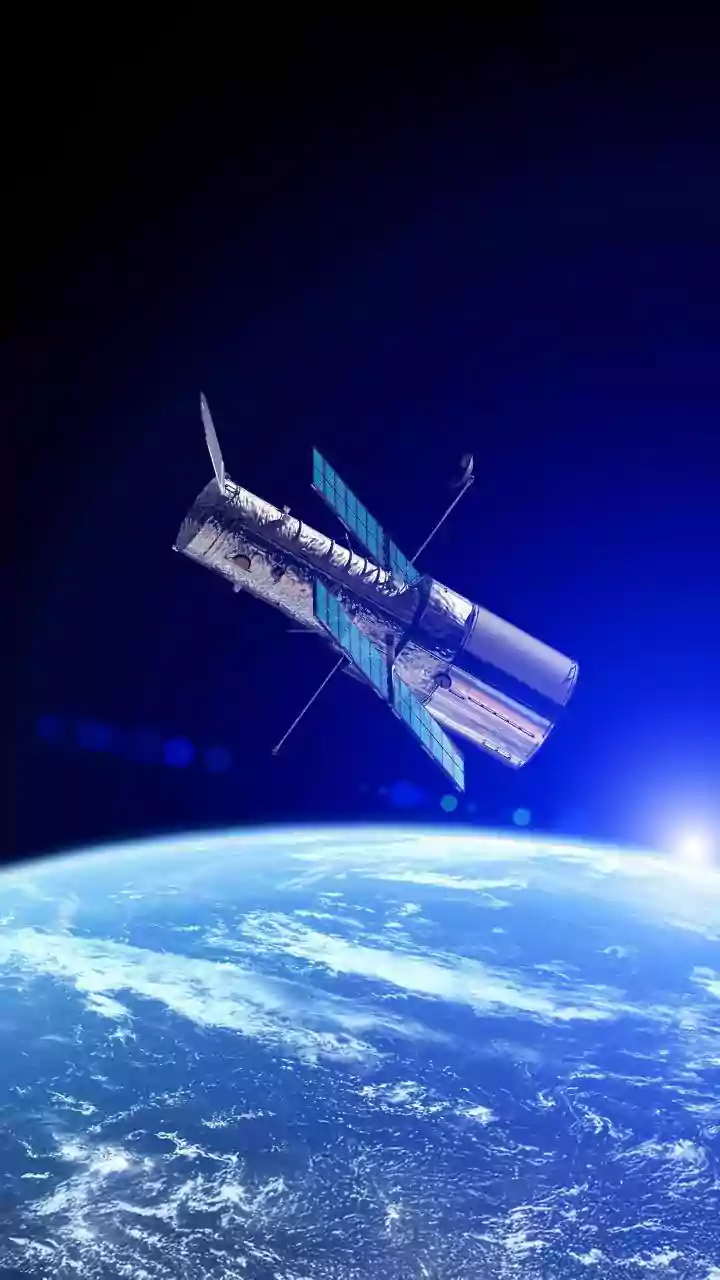
For over two decades, the Swift Observatory has been astronomy’s indispensable first responder. Launched in 2004 with an expected two-year lifespan, it has spent 22 years scanning the cosmos for gamma-ray bursts (GRBs)—the most powerful explosions in the universe,
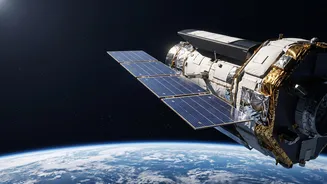
often signaling the birth of a black hole. Its unique ability to rapidly pivot and focus its instruments on these fleeting events has given scientists an unprecedented view of the violent universe. However, Swift’s time was running out. Without its own propulsion system, the observatory has been slowly losing altitude due to atmospheric drag. This orbital decay was dramatically accelerated by heightened solar activity in recent years, which caused Earth’s upper atmosphere to expand and pull the spacecraft down faster than predicted. Projections showed it was on course for an uncontrolled reentry and would burn up in the atmosphere by late 2026.
A High-Risk, High-Reward Rescue
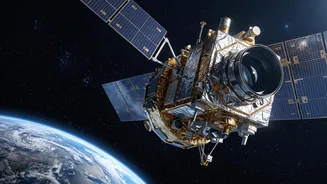
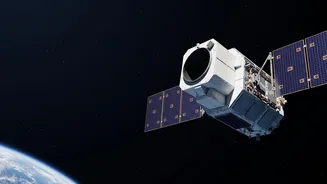
Rather than abandon the prized $500 million observatory, NASA greenlit a high-risk, high-reward rescue. In September 2025, the agency awarded a $30 million contract to Katalyst Space Technologies, an Arizona-based startup, to build a robotic servicing spacecraft called LINK. Developed on an unprecedented nine-month timeline, LINK's job was to chase down Swift, grab onto it with robotic arms, and push it into a higher, more stable orbit, extending its life for years to come. It was a landmark mission, marking the first time a commercial spacecraft would attempt to service a satellite never designed for docking. The mission launched successfully on July 3, 2026, from the Kwajalein Atoll aboard the final flight of the Pegasus XL rocket.
When the Rescuer Needs Rescuing
Just a few weeks after its successful launch, disaster struck the rescue mission itself. The LINK spacecraft began experiencing problems with its attitude control system, causing it to spin uncontrollably in orbit. Preliminary analysis showed that two of its three reaction wheels—devices that control orientation—had failed, and its thruster system had also lost some functionality. Communications became sporadic as the spacecraft tumbled. For weeks, engineers at Katalyst and NASA worked around the clock, even uploading new software to try and stabilize the craft. They managed to slow the spin, but ultimately could not regain the control necessary to safely approach and dock with Swift.
The End of the Line for Swift
On August 19, 2026, NASA and Katalyst officially announced that the capture and boost attempt was off. The failure of the LINK spacecraft means the end of the road for the Swift Observatory. With no further hope of an orbital boost, the legendary telescope is now doomed to continue its descent. NASA anticipates it will reenter Earth's atmosphere and burn up later this year. The loss will leave a significant gap in astronomy, as no current or planned telescope has Swift’s unique, rapid-response capabilities for studying the high-energy universe. While the primary goal failed, the mission is not a total loss. NASA plans to use LINK to attempt rendezvous and proximity operations with Swift, gathering valuable data that will inform future satellite-servicing missions.