




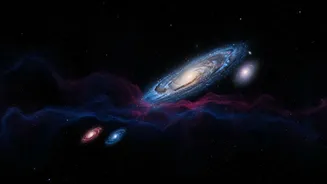
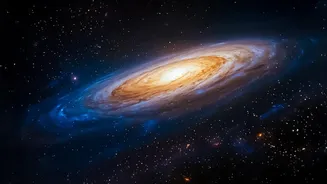
A Triple Showcase of Galaxies
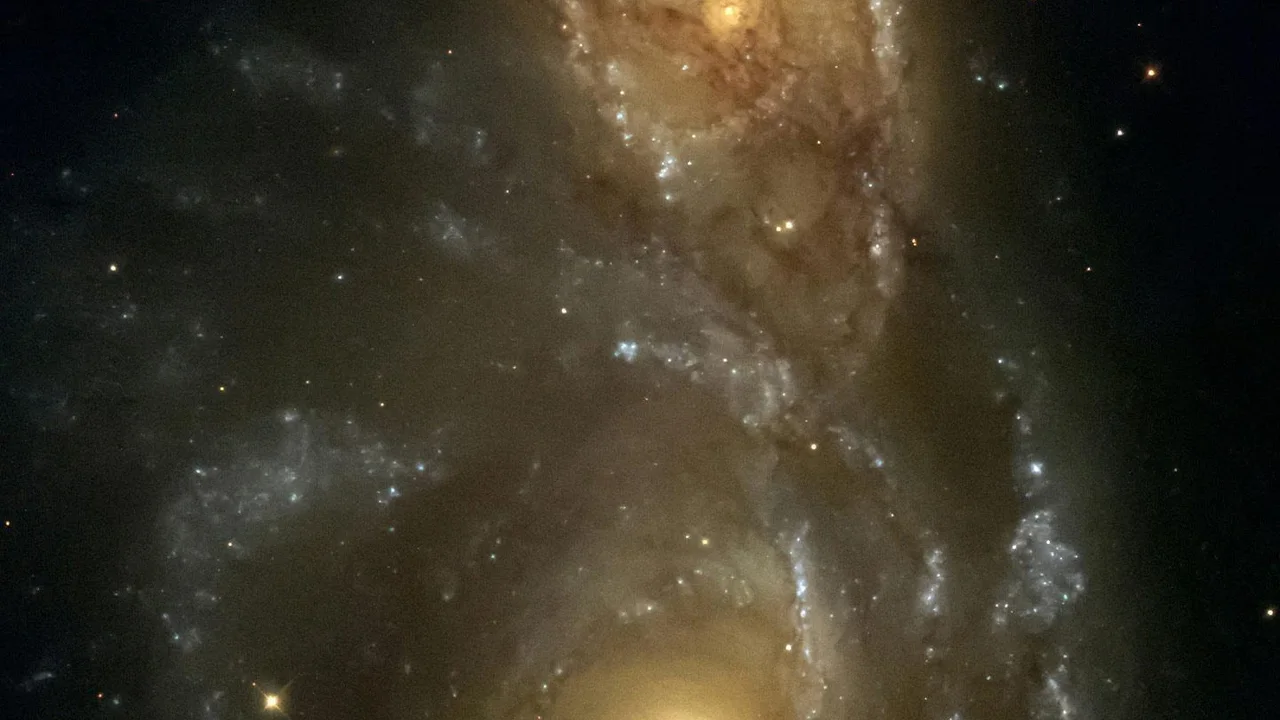
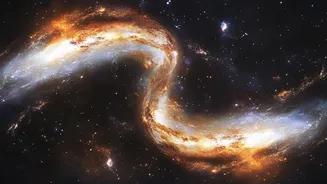
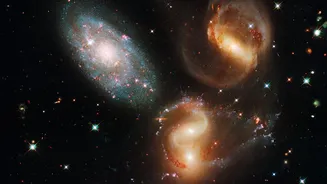
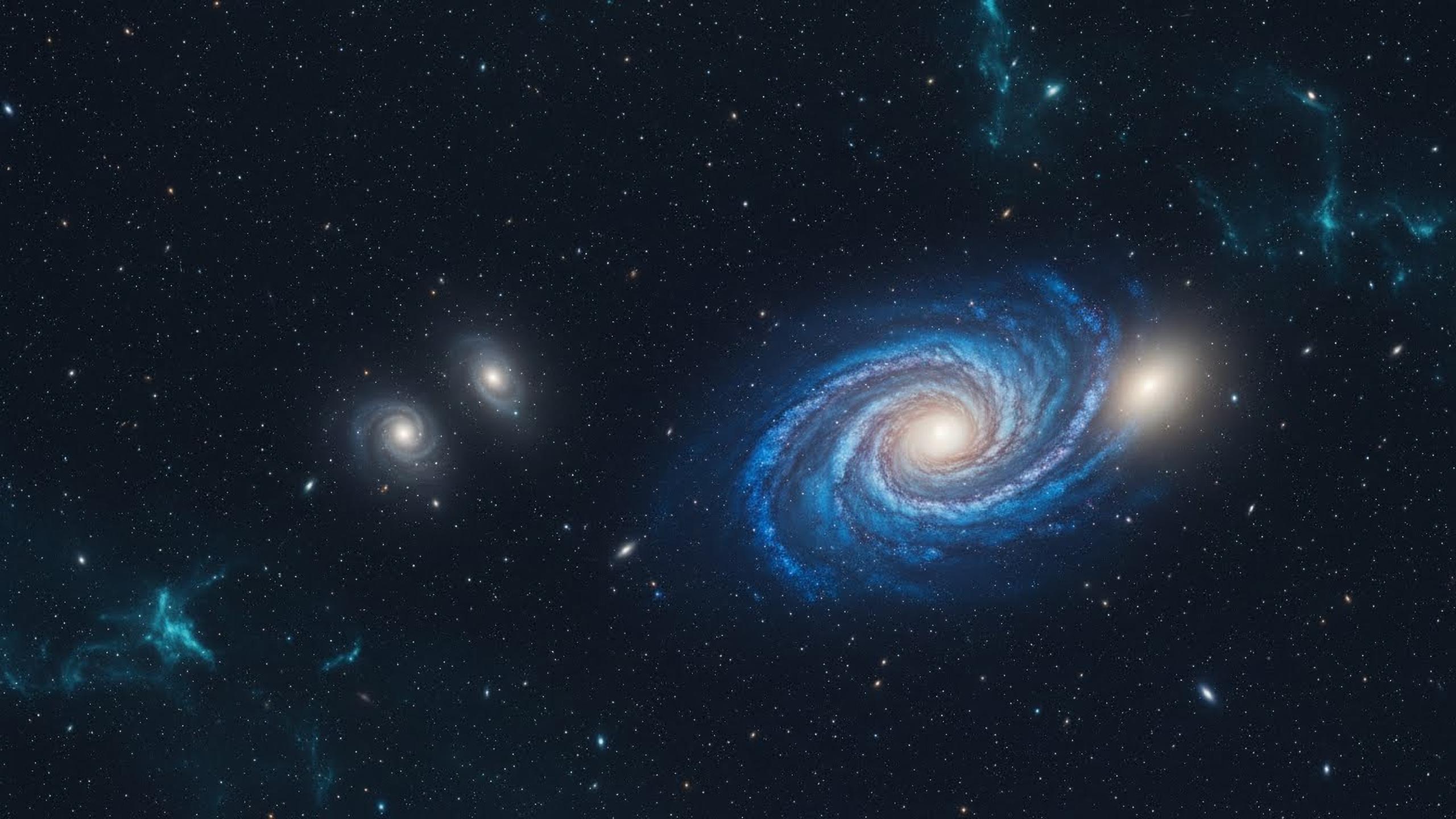
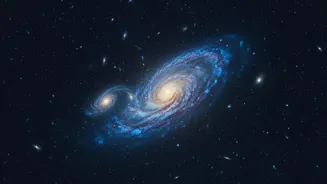
NASA has highlighted a striking composite image that captures three distinct pairs of galaxies, all within the same field of view. The image, which features galaxies from the Centaurus Galaxy Cluster, serves as a near-perfect lesson in cosmic perspective.
Vertically arranged, each duo tells a different story about proximity and interaction in the universe. What makes this image so compelling is that it encapsulates three different relationship statuses: one pair is actively merging, one appears close but likely isn't, and another is a cosmic illusion—a chance alignment from our viewpoint on Earth. It’s a visual reminder that in astronomy, what you see is not always what you get.
The Illusion of Proximity
The most fascinating aspect of the image is how it plays with our perception of distance. Two galaxies can appear side-by-side in a telescope, looking like cosmic twins, when in reality they are separated by tens of millions of light-years. This is known as a chance alignment. It’s the astronomical equivalent of a forced-perspective photo, where a tourist appears to hold the Eiffel Tower in their hand. In the NASA image, the middle pair of galaxies, including the large spiral NGC 4650, seem to be interacting, but astronomers believe their relative speeds make a gravitational dance unlikely. They are likely just line-of-sight companions, ships passing in the cosmic night. This illusion is common in astronomy and highlights the challenge of mapping the universe in three dimensions.
A Genuine Cosmic Dance
In contrast to the illusion, the bottom duo, NGC 4622A and NGC 4622B, are genuinely interacting. Gravity has locked them in a slow-motion embrace that will eventually lead to a full-on merger. When galaxies interact like this, their immense gravitational forces pull and stretch them, distorting their shapes and often creating long streamers of gas and stars known as tidal tails. These violent, beautiful encounters can trigger massive bursts of star formation as clouds of gas are compressed. By studying these interacting pairs, scientists gain invaluable insight into how galaxies evolve, grow, and change over billions of years. Our own Milky Way is expected to merge with the Andromeda galaxy in about 4.5 billion years, and systems like this provide a preview of our own cosmic future.
How Astronomers Tell the Difference
So, if appearances can be deceiving, how do astronomers definitively measure the vast distances to these galaxies? They use a variety of techniques that form a 'cosmic distance ladder'. For closer galaxies, methods involving pulsating stars called Cepheid variables act as 'standard candles'; their known intrinsic brightness allows scientists to calculate their distance based on how dim they appear. For more distant galaxies, astronomers rely on a phenomenon called redshift. As the universe expands, distant galaxies are moving away from us, which stretches the light they emit towards the red end of the spectrum. The greater the redshift, the faster the galaxy is receding, and therefore, the farther away it is. By measuring the redshift of each galaxy in the image, astronomers can confirm whether they are true neighbours or distant strangers.