







A Market in Transformation
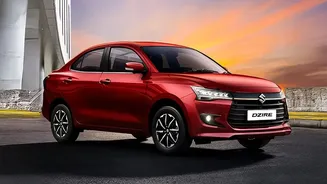
India's automotive market is witnessing a fundamental shift, with a notable increase in the number of first-time car buyers. This is not a minor fluctuation but a significant trend that is providing fresh momentum for the industry. Carmakers, including
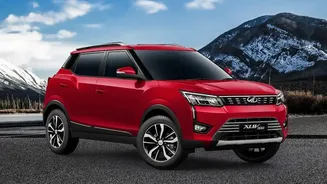
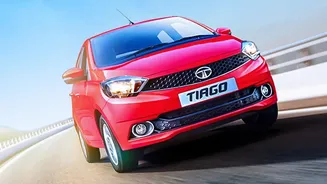
market leader Maruti Suzuki, have seen the share of first-time buyers in their sales rise considerably. For instance, Maruti Suzuki reported that first-time buyers accounted for 54% of its sales between April and August 2026, a substantial increase from 42% in the previous year. Similarly, Tata Motors has registered a 6-7% increase in this demographic over the past year, while Mahindra & Mahindra has seen 20% year-on-year growth for its entry-level SUVs in the first five months of the current fiscal year. This influx of new customers indicates a broadening of the market base and a renewed drive towards mass motorisation across the country.
The Allure of the SUV
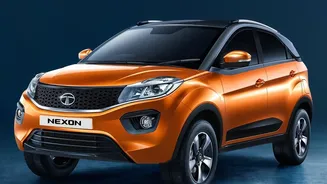
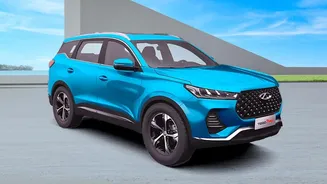
A major part of this story is the undeniable appeal of the Sports Utility Vehicle (SUV). Once considered a premium option, the compact and sub-compact SUV has become the vehicle of choice for many new entrants into the car market. Models like the Tata Punch have been particularly successful, with some reports indicating that as many as 60% to 70% of its customers are buying a car for the first time. This trend reflects a change in consumer mindset; buyers are no longer starting with the smallest hatchback. Instead, they are opting for vehicles that offer a better road presence, higher seating position, more space, and a feeling of safety and modernity. The industry has responded by launching a variety of SUVs at competitive price points, making them more accessible than ever before. This has allowed many to afford a vehicle segment that was previously out of reach.
Key Drivers Behind the Surge
Several factors are fuelling this boom. A key catalyst has been the government's reduction of the Goods and Services Tax (GST) on smaller vehicles (less than four metres) from 28% to 18%. This move has significantly improved affordability, making the upfront cost more manageable for budget-conscious households and those upgrading from two-wheelers. Beyond policy, rising disposable incomes, easier access to financing, and a post-pandemic preference for personal mobility have played crucial roles. Furthermore, the growth is not limited to metropolitan areas. A substantial portion of the demand is now coming from rural India and Tier-II and Tier-III cities, indicating a deeper and more widespread economic expansion. This geographic shift is creating a new, vast customer base for automakers to tap into.
What This Means for the Auto Industry
The rise of the first-time buyer is more than just a sales statistic; it signals a maturing market and has long-term implications for automakers. Companies are now keenly focused on the needs and aspirations of this demographic. This means strengthening their portfolios in the entry-level and mid-range segments, particularly with feature-rich compact SUVs. There is also an increased emphasis on after-sales service and expanding dealership and service networks to cater to the growing customer base in smaller towns and rural areas. For brands like Tata and Mahindra, this trend validates their strategy of launching robust, stylish, and safe SUVs like the Punch and Bolero, which have resonated strongly with new buyers. As this new generation of owners enters the market, their brand loyalty and future upgrade decisions will shape the competitive landscape for years to come.