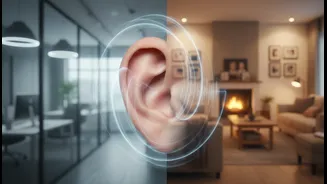










The Unseen Toll of Listening Fatigue
Hearing loss isn't just about missing sounds; it's about the constant mental effort your brain exerts to keep up. When hearing is impaired, your brain works overtime to fill in the gaps in conversations and filter out background noise. This extra work is known
as increased cognitive load. Over the course of a day, this sustained effort can lead to significant mental exhaustion, often called listening fatigue. You might feel unusually tired after meetings, drained after a family dinner, or irritable for no clear reason. This isn't a sign of weakness but a direct consequence of your brain diverting energy from other functions, like memory and focus, just to process sound. Many people are surprised to learn that even a mild hearing impairment can cause this profound sense of exhaustion.
Reclaiming Your Edge at Work
In the professional world, clear communication is crucial. Untreated hearing loss can create significant barriers, leading to misunderstandings, missed details in meetings, and reduced confidence in group discussions. The mental fatigue from straining to hear can impact productivity and make it harder to concentrate throughout the workday. Addressing hearing loss can be transformative for your career. With hearing aids or other solutions, you can participate more fully and confidently in meetings and calls. This not only reduces daily stress but also allows you to contribute your ideas effectively, leading to improved job performance and renewed professional confidence. Studies have even shown that addressing hearing loss can positively impact earning power by removing communication barriers.
Bringing Harmony Back to Family Life
At home, the effects of hearing loss can be just as profound. When conversations become frustrating, it can strain relationships with partners, children, and friends. Loved ones may feel ignored or burdened by the need to constantly repeat themselves, while the person with hearing loss may withdraw to avoid the stress of trying to keep up. This can lead to social isolation and a feeling of being left out of precious family moments. Taking action on hearing care helps restore the ease of communication. It means hearing your partner's stories, understanding a grandchild's joke, and participating fully in dinner table conversations without the constant effort. By reducing frustration for everyone involved, it enhances warmth and intimacy, strengthening the bonds that matter most.
More Than Just Hearing: The Brain Health Connection
The benefits of hearing care extend beyond just communication. A growing body of research highlights a strong connection between untreated hearing loss and cognitive health. When the brain is deprived of adequate sound stimulation, it can affect its structure and function over time. Studies have identified hearing loss as a significant modifiable risk factor for cognitive decline and dementia. The social isolation that often accompanies hearing loss is also a known risk factor for cognitive decline. By using hearing aids, you not only reduce the cognitive load on your brain but also stay socially engaged—both of which are vital for long-term brain health. Treating hearing loss is a proactive step towards maintaining mental sharpness and overall well-being as you age.