






The Soulful Bites of North Kolkata
North Kolkata is the city's old soul, where tradition breathes in every lane. Pandal hopping here is a journey back in time, and the food reflects this heritage. The air is thick with the aroma of telebhaja—deep-fried fritters like beguni (eggplant) and alur
chop (potato)—being scooped out of giant woks at roadside stalls. This is the heartland of iconic 'cabin' restaurants like Mitra Cafe, famous for its kobiraji cutlet, a minced meat or fish patty encased in a fluffy, lacy egg coating. Another essential experience is savouring luchi (fluffy fried bread) with alur dom or chholar dal, a classic Bengali breakfast that becomes an all-day snack during Pujo. The area around Shyambazar and Bagbazar is legendary for its timeless eateries, where a plate of kosha mangsho (slow-cooked spicy mutton) offers a rich, unforgettable taste of Bengal's culinary history.
The Cosmopolitan Flavours of South Kolkata
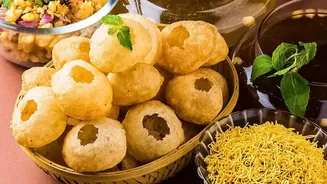
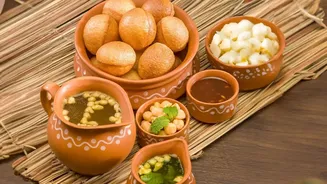
If North Kolkata is about tradition, the South is a playground of innovation. Known for its high-budget, theme-based pandals, this part of the city presents a more modern, cosmopolitan food scene. Here, sprawling food courts sit alongside famous pandals like Ekdalia Evergreen and Deshapriya Park, offering everything from fusion chaat to artisanal pizzas. However, street food classics still reign supreme. Phuchka, Kolkata’s answer to pani puri, is a must-have, with each vendor boasting a unique spice mix for their tamarind water. Kathi rolls, flaky parathas filled with succulent kebabs, egg, and onions, are the perfect fuel for a long night of pandal hopping. This area also hosts numerous pop-up stalls by established restaurants, allowing revellers to enjoy gourmet dishes on the go.
Central Kolkata’s Mughlai and Street Food Hub
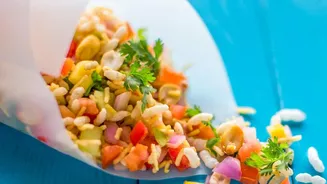
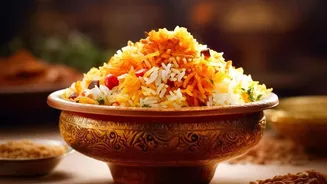
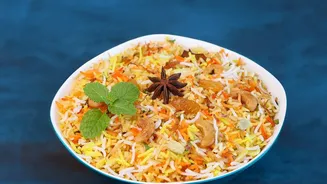
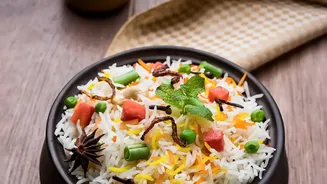
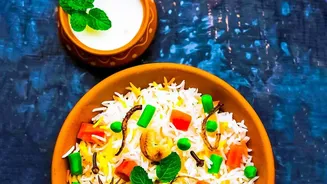
Central Kolkata, especially the area around Esplanade and Park Street, is a melting pot of culinary influences. This is where the city’s Mughlai heritage shines brightest. During Pujo, legendary establishments like Arsalan and Shiraz see endless queues for their iconic Kolkata-style biryani, which is distinguished by the fragrant rice, mild spices, and the all-important potato and boiled egg. The streets here are also home to Nizam's, credited as the inventor of the kathi roll. Beyond the Mughlai treasures, you'll find a dizzying array of street foods, from spicy ghugni (curried white peas) to Kolkata's own version of chowmein, stir-fried in large woks at roadside stalls. It’s a chaotic, vibrant, and delicious crossroads of the city’s food culture.
The Unmissable Bhog and Sweet Endings
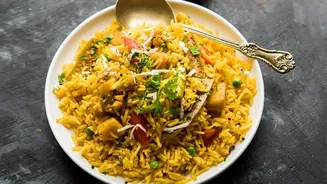
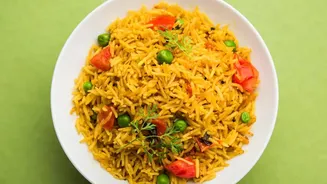
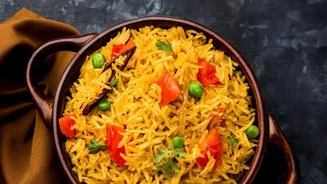
No Pujo food trail is complete without two essential experiences: the community bhog and the indulgence in mishti (sweets). Most pandals serve bhog for lunch on Ashtami and Navami, a sacred offering that is shared with everyone. This typically vegetarian meal of khichuri, labra (a mixed vegetable curry), and chutney is simple yet profoundly satisfying. For a sweet conclusion to your culinary journey, every neighbourhood has its beloved mishtir dokan (sweet shop). During the festival, these shops are laden with classics like rosogolla, creamy mishti doi (sweet yogurt), and various kinds of sandesh. Enjoying a sweet treat after a long night of walking is a cherished Pujo ritual, the perfect end to a day of feasting.