




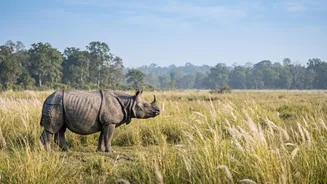
A Four-Decade Journey of Revival
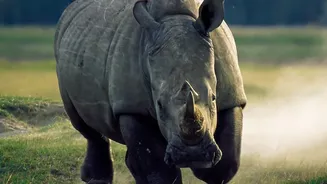
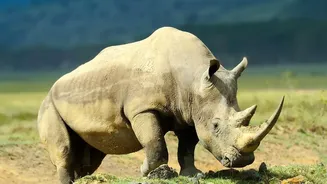
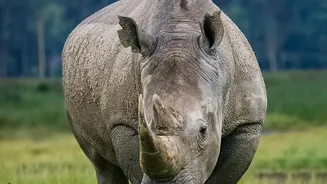
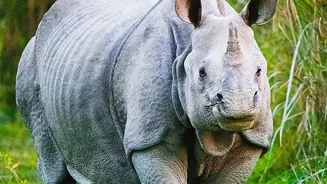
The presence of any rhinos in Dudhwa is a modern conservation marvel. The greater one-horned rhinoceros, which once roamed the vast Terai grasslands of the region, was wiped out here by the late 19th century due to hunting and habitat loss. The turnaround
began in 1984 with an ambitious Rhino Reintroduction Project. In a landmark effort, a small founder group of rhinos were translocated from Assam and Nepal to a specially prepared, 27-square-kilometre fenced enclosure in Dudhwa. From that initial handful of animals, the population has grown, a testament to decades of meticulous planning, protection, and habitat management by the Uttar Pradesh Forest Department and its partners.
The Numbers Tell a Positive Story
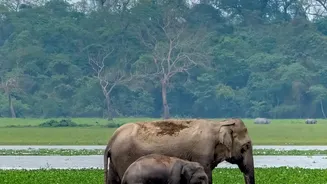
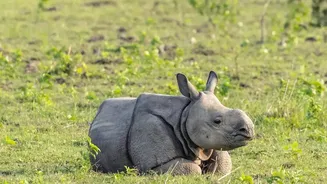
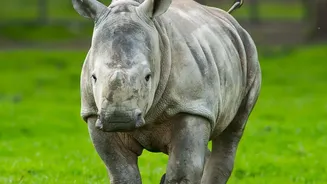
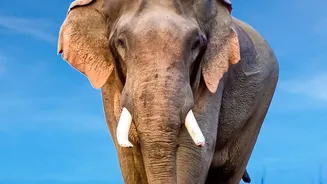
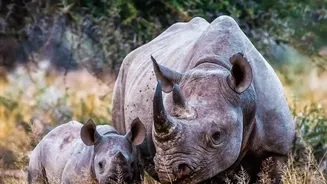
The fourth rhino census, conducted in June 2026, revealed a net increase of five rhinos, bringing the total to 53 individuals. The population now comprises 17 adult males, 25 adult females, and 11 calves and sub-adults. This growth is particularly encouraging as it was achieved despite natural challenges, including three recent deaths from territorial fights and predation by tigers. The survey was a massive undertaking, carried out by 20 teams of trained forest personnel and staff from WWF-India, who surveyed the dense grasslands and marshes, often atop elephants. This steady growth underscores the success of the reserve's protective measures and the suitability of the restored habitat.
Beyond the Fence: A New Era for Dudhwa's Rhinos
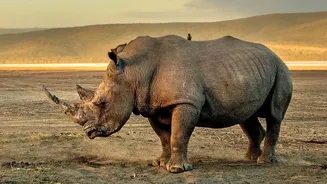
For years, the rhinos were kept within two large, secure enclosures known as Rhino Rehabilitation enclosures (RR1 and RR2) to ensure their safety and breeding success. However, the long-term goal has always been to establish a free-ranging population. That dream is now becoming a reality. To improve genetic diversity and reduce the risks of inbreeding, conservation authorities have begun releasing rhinos from the enclosures into the larger park. As of the latest reports, 11 rhinos now roam freely in the wild, outside the initial rehabilitation areas. This is a crucial step forward, allowing the animals to establish natural territories and behaviours. This development also significantly improves the chances for tourists on safari to witness these magnificent animals in a more natural setting.
The Constant Battle Against Threats
The success in Dudhwa does not mean the threats have vanished. The greater one-horned rhino is still listed as a Vulnerable species. Across India, rhinos face persistent dangers from poaching for their horns, which are illegally traded for use in traditional Asian medicine despite having no proven medicinal value. Habitat loss due to expanding human settlements also remains a critical issue, often leading to human-wildlife conflict when rhinos venture into agricultural lands. The success at Dudhwa is owed to strong anti-poaching measures, including regular patrols, watchtowers, and a network of dedicated forest guards who work tirelessly to protect these animals. The proximity of the reserve to the international border adds another layer of complexity to these protection efforts.
Why Dudhwa's Success Matters for India
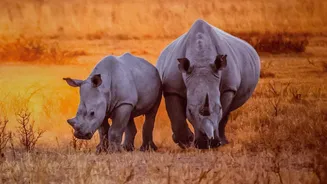
Dudhwa's thriving rhino population is more than a local achievement; it's a beacon of hope for conservation across India. It proves that with sustained effort, scientific management, and political will, species can be brought back from the brink. Uttar Pradesh is one of only three states in India—along with Assam and West Bengal—that is home to a wild rhino population, making Dudhwa's role critically important for the species' long-term survival. A healthy rhino population also acts as an indicator of a healthy ecosystem. As large herbivores, rhinos help maintain the grasslands they inhabit, which in turn supports a wide array of other species, from the majestic Bengal tiger to the endangered swamp deer.