






What Just Happened in Karnataka?
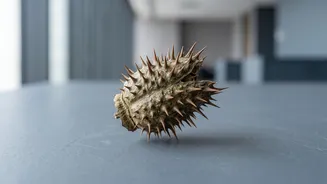
The Karnataka Food Safety and Drugs Administration Department has taken the decisive step of suspending the food licences for Amazon, Swiggy Instamart, and BigBasket. This drastic action came after officials discovered that Datura fruits and seeds, known
to be highly poisonous, were being listed and sold on these platforms as food products. The regulator has ordered the platforms to immediately remove all listings and advertisements for Datura intended for human consumption. The suspension will remain in effect until further notice and also extends to the suppliers who were providing the toxic products to the platforms.
What is Datura and Why is it Dangerous?
Datura, commonly known in India as Dhatura and in English as thorn-apple or jimsonweed, is a plant belonging to the nightshade family. While it has historical uses in traditional medicine like Ayurveda, all parts of the plant are extremely poisonous, especially its seeds and flowers. It contains potent tropane alkaloids like atropine and scopolamine, which act as powerful deliriants. Ingesting even small amounts can lead to a severe medical condition known as anticholinergic toxidrome. The plant's toxicity is so unpredictable that any use outside of highly controlled, expert preparation is considered life-threatening.
The Severe Health Risks of Consumption
Consumption of Datura is a medical emergency. The toxins attack the central nervous system and can cause a terrifying range of symptoms. These include severe hallucinations where a person cannot distinguish fantasy from reality, delirium, agitation, and amnesia. Physical symptoms are equally alarming: a dangerously rapid heartbeat, high fever, painfully dry mouth, blurred vision, and respiratory depression. In severe cases, poisoning can lead to seizures, coma, and ultimately, death. Because the concentration of toxins can vary wildly from plant to plant, there is no 'safe' dose, and any ingestion carries a high risk of fatal overdose.
How Did a Toxin End Up on Food Apps?
The investigation revealed a critical breakdown in platform oversight. The inquiry found that packets of Datura fruits and seeds were being sold online, with some even bearing a Food Safety and Standards Authority of India (FSSAI) licence number, despite being unfit for consumption. This suggests a failure in the verification process for sellers and products. While some products are used for religious or 'pooja' purposes, their appearance in food categories points to a significant categorization error, whether through seller ignorance, malicious listing, or algorithmic failure. The regulator found the platforms' initial responses unsatisfactory, noting that BigBasket offered to relabel the product as 'Not for human consumption', which was deemed insufficient.
A Wake-Up Call for E-Commerce
This incident is not happening in a vacuum. It comes amid a broader, nationwide crackdown on food safety standards, both in physical restaurants and in the warehouses that power quick-commerce. Regulators in Maharashtra and Karnataka have recently uncovered numerous violations, from poor hygiene and pest infestations to the sale of expired goods across various platforms. Under FSSAI rules, e-commerce platforms are considered Food Business Operators (FBOs) themselves. They are legally responsible for ensuring that all sellers on their platform are licensed and that listed products are safe and accurately described, a responsibility that this incident shows has been dangerously neglected.