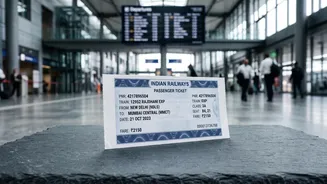






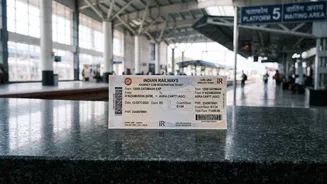
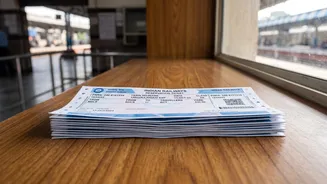
Indian Railways has extended its optional travel insurance to tickets bought at counters, not just online. For a premium of only 45 paise, passengers can get coverage up to ₹10 lakh, but this comes with important conditions.
What is the 45-Paise Insurance Scheme?
Following a Supreme Court directive,
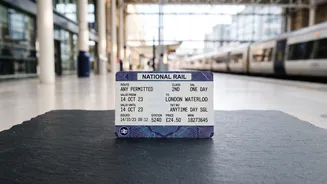
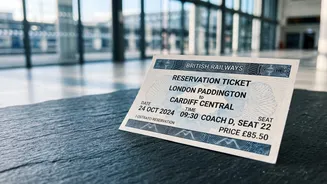
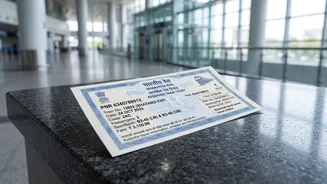
Indian Railways now offers its Optional Travel Insurance Scheme (OTIS) to passengers booking reserved tickets at physical Passenger Reservation System (PRS) counters. This facility, previously available only for e-tickets, allows passengers who buy tickets offline to access the same low-cost insurance. The scheme is designed to provide a financial safety net in case of a railway accident or other specified untoward incidents during the journey. It is an optional service, meaning reservation staff must inform you about it, but you have to choose to opt-in. It is available only to Indian citizens, and once selected for a PNR, it covers all passengers on that ticket.
The Key Condition: Digital Payment is Mandatory
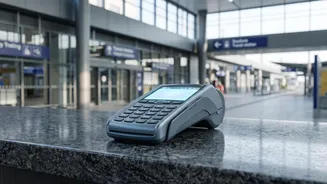
Here's the most significant condition: if you choose to take the 45-paise insurance at the counter, the entire transaction—both the ticket fare and the insurance premium—must be paid digitally. Cash payments are not accepted for tickets with this insurance option. This rule was implemented because the 45-paise premium cannot be easily collected in cash, as coins of smaller denominations are no longer in circulation. Passengers must use UPI, debit cards, credit cards, or other QR code-based systems. You will also be required to provide a valid mobile number, as the policy details are sent directly to you via SMS from the insurance company.
What Does the Insurance Actually Cover?
For the minimal premium, the policy provides significant coverage in the event of a train accident or other 'untoward incidents' as defined by the Railways Act, such as violent attacks or accidental falls from the train. The compensation is tiered based on the severity of the incident: up to ₹10 lakh for death or permanent total disability; up to ₹7.5 lakh for permanent partial disability; up to ₹2 lakh for hospitalization expenses for injuries; and ₹10,000 for the transportation of mortal remains. This coverage applies to passengers with confirmed, RAC (Reservation Against Cancellation), or partially confirmed tickets. Even on a single PNR with a mix of confirmed and waitlisted passengers, all can be covered if they choose to travel.
Who is Not Eligible and What Are the Exclusions?
Not everyone is covered by this scheme. The insurance does not apply to passengers travelling on unreserved or general class tickets. Crucially, children below the age of five are not eligible for coverage under this policy. However, children between the ages of five and eleven are eligible. It's also important to note that this policy is a contract between you and the insurance provider, not IRCTC. After opting in, you will receive an SMS with a link to fill in your nomination details on the insurer's website. If you fail to do so, any claim settlement would be made with legal heirs, which can be a more complex process.
Is This Insurance Worth It?
For a cost of just 45 paise, the financial protection offered is substantial, especially considering the high coverage amounts for death or major disability. It provides an additional layer of financial security over and above the statutory compensation offered by the railways. The main 'catch' is the mandatory digital payment, which may be an adjustment for those accustomed to paying cash at counters. Furthermore, should you cancel your ticket, the full insurance premium is not refunded; a small deduction of 9 paise is made along with standard ticket cancellation charges. Overall, it's a very low-cost safety net. The key is to be aware of the digital payment rule and to ensure you provide a correct mobile number to receive the policy and complete the nomination process.