




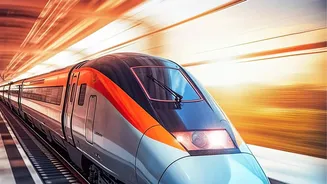
More Than Just Speed
The Delhi-Varanasi High-Speed Rail (DVHSR) corridor is about more than just getting from the national capital to the spiritual heartland faster. It's a cornerstone of India's ambitious plan to modernise its railway infrastructure, knitting together some
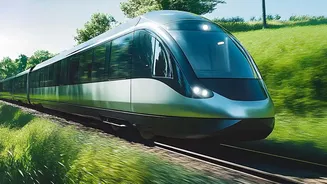
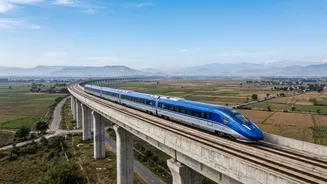
of the nation's most populous and economically significant regions. Currently, the fastest trains, like the Vande Bharat Express, take about eight hours for the journey. The proposed bullet train, operating at speeds up to 350 km/h, would not just slash this time but redefine the very concept of distance for millions. The project is one of seven new high-speed corridors announced in the Union Budget, marking a strategic shift towards advanced, corridor-based development.
Connecting the Economic and Cultural Heartland
The approximately 813-kilometre corridor will serve as a powerful economic artery. The planned route connects a series of major urban, industrial, and cultural hubs, including Noida, Agra, Lucknow, Prayagraj, and Varanasi. This enhanced connectivity is expected to have a profound impact. Businesses can operate across wider markets, professionals can travel more efficiently, and logistical challenges are reduced. For instance, the journey from Delhi to Agra could take just 59 minutes, while Lucknow would be a mere 2 hours and 12 minutes away. This creates a 'corridor effect,' where cities along the route benefit from increased investment, trade, and accessibility.
A Boost for Tourism and Pilgrimage
The corridor is poised to revolutionise tourism in the region. It directly links the nation's capital to Agra, home of the Taj Mahal, and the spiritual centres of Prayagraj and Varanasi. Furthermore, a planned spur line will connect Lucknow to Ayodhya, another major pilgrimage destination. By making travel faster, safer, and more comfortable, the bullet train is expected to significantly boost both domestic and international tourism. Pilgrims and tourists who might have been deterred by long travel times will find these key destinations much more accessible, potentially leading to growth in the hospitality and service sectors across Uttar Pradesh.
Catalyst for Regional Development
High-speed rail projects are known globally as catalysts for regional development. The development of stations, often in peripheral areas, spurs new urban growth, boosts real estate value, and creates new commercial centres. The DVHSR corridor is expected to be no different. A key stop at the upcoming Noida International Airport at Jewar will create a multi-modal transport hub, integrating air and high-speed rail travel. This integrated approach to infrastructure planning can de-congest major cities by encouraging growth in satellite towns and creating employment opportunities beyond traditional urban centres. The project itself is a massive job creator, requiring a vast workforce for construction and, later, for operations and maintenance.
A Blueprint for the Future
While the Mumbai-Ahmedabad corridor is India's first foray into high-speed rail, the Delhi-Varanasi line is seen as the project that will bring bullet train technology to the country's populous heartland. The project is part of the larger National High Speed Rail Corporation Limited's (NHSRCL) vision, which now includes extending the line from Varanasi to Patna, Siliguri, and eventually Guwahati in Assam. This establishes an economic corridor that will stretch across northern and eastern India. Successful execution would not only provide a blueprint for future projects but also signal India's technological and manufacturing prowess, with an emphasis on the 'Make in India' initiative. By reducing dependence on fossil fuels and offering a greener alternative to air travel for short and medium distances, the project also aligns with long-term environmental goals.