







The Unshakeable Classics
No discussion of breakfast chutneys is complete without honouring the timeless duo: coconut and mint-coriander. The simple, creamy white coconut chutney, often tempered with crackling mustard seeds and curry leaves, remains the quintessential partner
for South Indian staples like idli and dosa. It provides a cooling, rich balance to the fermented batter of the main dish. Similarly, the fresh, zesty green chutney, made from mint and coriander, is a versatile hero. Its refreshing taste cuts through the richness of fried items like vadas and samosas, making it a fixture across the country. While their core recipes are sacred, the 'latest position' sees subtle shifts, like adding a touch of yogurt for extra creaminess or using ice-cold water during blending to maintain a vibrant green hue.
The Rise of Regional Powerhouses
What's new is often what's newly discovered. Regional chutneys, long beloved in their home states, are gaining national attention on street food carts. The peanut (or shengdana) chutney, a creamy and nutty staple in Maharashtra and Andhra Pradesh, is a prime example. Made from roasted peanuts, garlic, and chillies, it offers a protein-packed, flavourful alternative. Another rising star is the Gongura chutney from Andhra and Telangana, known for its distinct sour and earthy taste derived from sorrel leaves. Also making waves is the Bhang ki Chutney from Uttarakhand, a unique preparation with a nutty, smoky flavour from roasted hemp seeds, showcasing the incredible diversity of local ingredients.
The Vegetable-Forward Movement
Beyond herbs and coconuts, vegetables are increasingly the star of the show. Tomato chutney, in its many avatars, is a prominent player. Some versions are cooked down into a thick, spicy-sweet curry-like consistency, while others are ground raw with onions and spices for a fresher take. Red bell pepper chutney, often combined with tomatoes, offers a vibrant colour and a subtly sweet flavour profile. In Karnataka, ridge gourd (heerekai) chutney is a testament to the nose-to-tail approach of Indian cooking, turning a humble vegetable into a delightful side. These chutneys reflect a trend towards using easily available, seasonal produce to create bold flavours.
Sweet, Sour, and Unforgettable
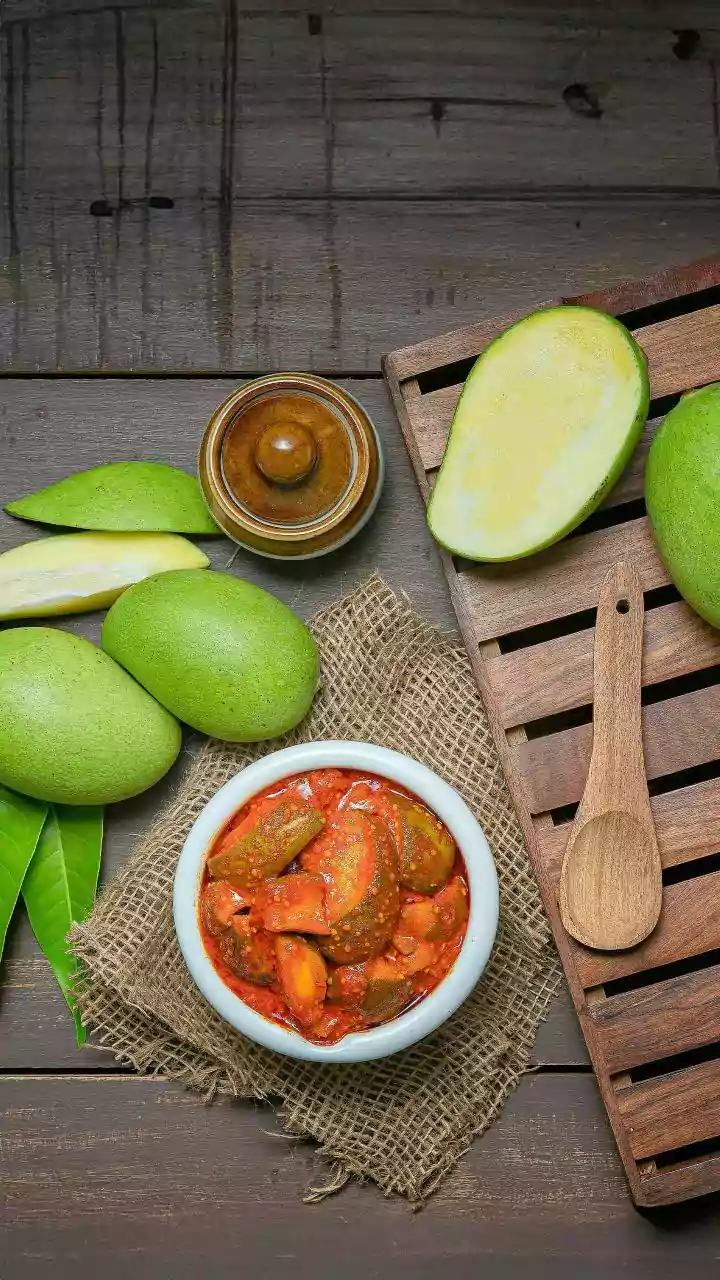
While savoury chutneys dominate the breakfast plate, the sweet and sour varieties are carving out their space. Traditionally associated with chaat, tamarind chutney (imli chutney) is making more frequent appearances alongside morning meals like poha or aloo paratha. Its delightful tang, balanced with jaggery and spices, provides a perfect counterpoint to savoury dishes. Raw mango chutney, a seasonal favourite, brings a sharp, refreshing zestiness that enlivens any meal during the summer months. Some innovative vendors are even creating versions with mango and coconut milk for a milder, fruitier profile that appeals to a wider audience.