




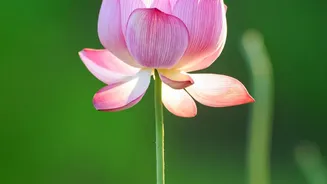


From Paddy Fields to Lotus Ponds
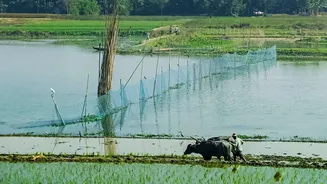
Manohar Shetty, a farmer from Uliyaragoli in Kapu taluk, was no stranger to the struggles of conventional agriculture. For years, he cultivated paddy across 15 to 20 acres, but the challenges were mounting. Irregular rainfall, a persistent shortage of labour,
and the ever-increasing costs of cultivation made rice farming an unsustainable venture. Faced with repeated losses, Shetty began looking for an alternative. His research led him to stories of successful lotus farming in other parts of Karnataka, like Mandya and Mysuru. Intrigued, he dedicated nearly three months to studying the crop, understanding its needs, and assessing its viability. An initial trial on a small patch of his land yielded encouraging results, giving him the confidence to convert a significant portion of his paddy fields into a full-fledged lotus pond.
The Organic Approach
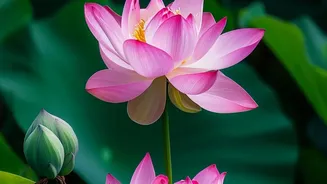
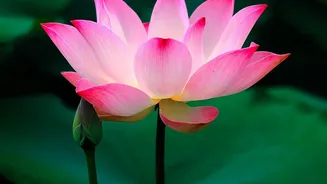
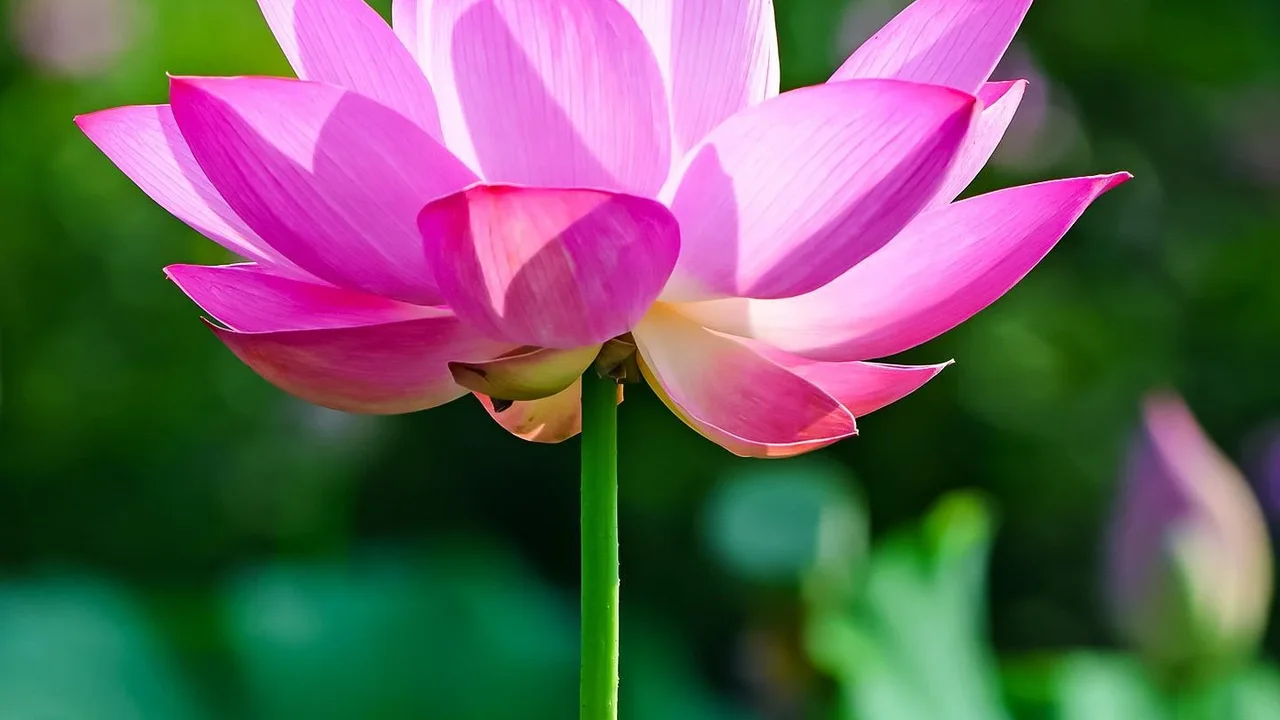
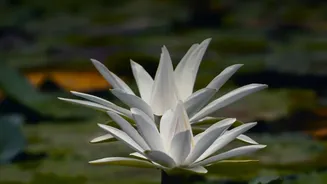
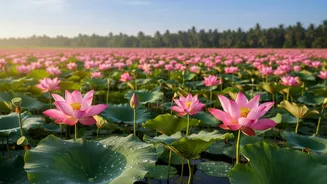
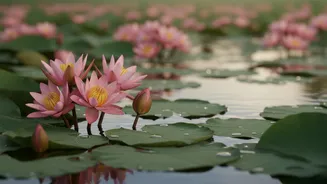
Today, Shetty cultivates varieties like Pink Cloud, White Peony, and Bucha on three acres, all perfectly suited to the coastal climate. His method is entirely organic, a conscious choice to move away from chemical inputs. The process begins with preparing the land by ploughing it and applying rich farmyard manure. The key is to maintain a constant, knee-deep water level before the lotus saplings are planted. Instead of chemical pesticides, which can harm the local ecosystem, Shetty relies on natural pest control solutions like neem-based products. This commitment to organic principles not only ensures the health of his crop but also preserves the delicate balance of the aquatic environment. It is a system that nurtures the soil and produces vibrant, healthy blooms without the adverse effects of synthetic chemicals.
A Bountiful Daily Harvest
The shift has proven to be incredibly fruitful. After a waiting period of about 90 days for the first bloom, the farm now yields a steady harvest. For the past several months, workers have been gathering between 400 and 500 lotus flowers every single day. This daily bounty translates into a significant and stable income. With each flower selling for approximately ₹15, Shetty's farm generates an estimated income of up to ₹1 lakh per month. This consistent revenue stream is a stark contrast to the unpredictable and often meagre returns from his previous paddy cultivation, proving that innovative thinking can lead to financial stability for farmers.
Sacred Flowers in High Demand
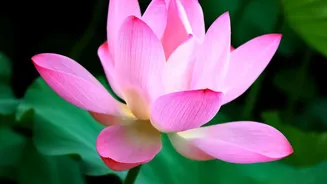
The demand for his organic lotuses is robust and consistent, driven largely by the region's temples. The lotus holds immense significance in Hindu rituals, symbolizing purity, prosperity, and spiritual enlightenment. Shetty's flowers are supplied to prominent temples, including the famous Kollur Mookambika Temple, as well as temples in Ucchila and Kapu. Flower traders from Udupi and Kapu also buy directly from his farm, ensuring that none of the harvest goes to waste. This steady demand, rooted in deep cultural and religious traditions, insulates his business from the market fluctuations that affect many other agricultural products.
Inspiring a Wider Change
Manohar Shetty's success is about more than just one farm. He sees a broader opportunity for the entire region, estimating that around 200 acres of farmland in the Kapu, Uliyaragoli, and Pangala areas are well-suited for lotus cultivation. He is actively encouraging other farmers who are struggling with traditional crops to consider this profitable alternative. Shetty provides technical guidance and helps connect new growers with potential markets, hoping to spark a local movement toward more diverse and sustainable agriculture. He also points out that the lotus plant's value extends beyond its flowers; its stems can be used for textile fibre, its roots for pickles, and its seeds for nutritious food products, opening up even more avenues for income.