



The Ultimate Proving Ground
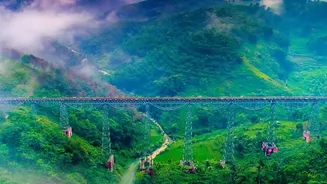
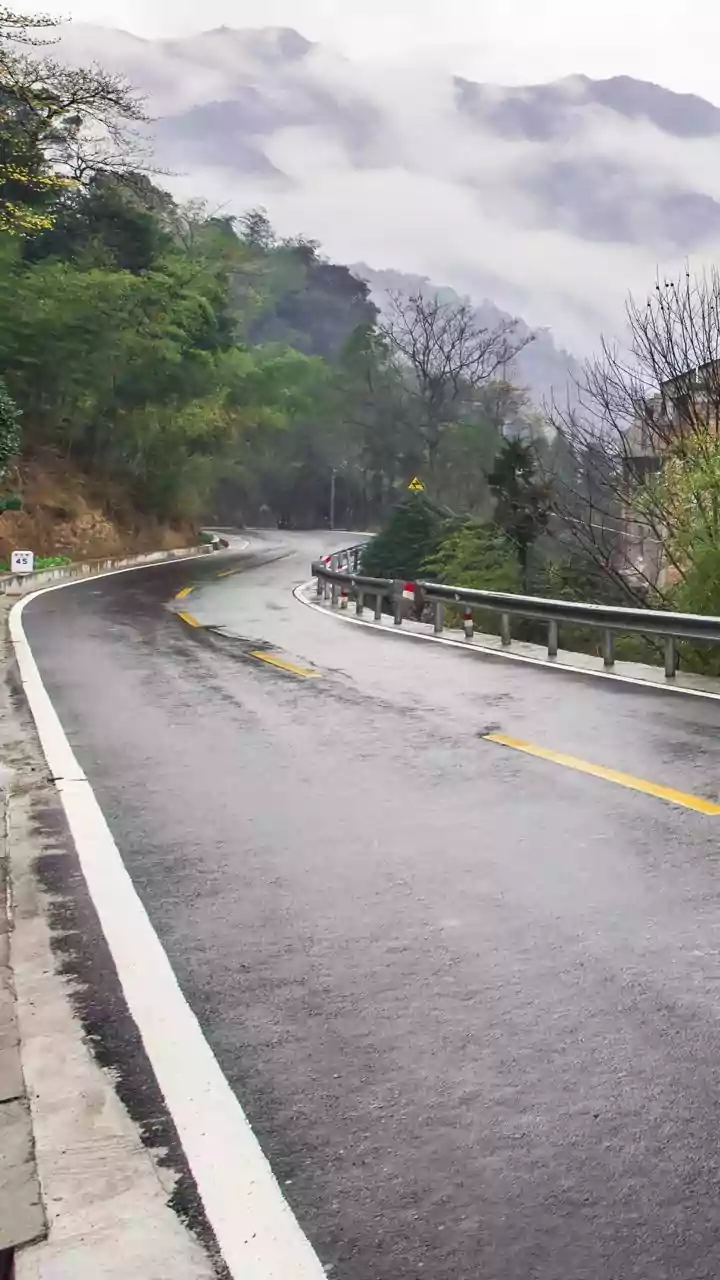
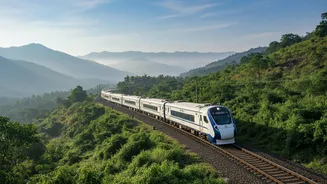
The focus of the trial is the 55-kilometre Sakleshpur-Subrahmanya Road ghat section, a vital link on the Bengaluru-Mangaluru route. This stretch is notorious among railway engineers for its formidable terrain, featuring a steep gradient of 1 in 50, which
means the track rises or drops one metre for every 50 metres travelled. Compounding the challenge are 57 tunnels, 226 bridges, and over 100 sharp curves that snake through the hills. Due to these complexities, conventional trains have traditionally required the help of additional 'banker' locomotives to be attached at either end to provide extra power and braking assistance, a time-consuming process.
A Specially Modified Train for the Job
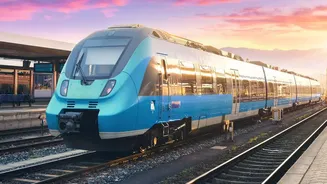
To tackle this unique challenge, a specially modified 20-coach Vande Bharat rake was dispatched from the Integral Coach Factory (ICF) in Chennai. The key modification is the installation of an Automatic Emergency Braking (AEB) system. This advanced safety feature is designed to automatically apply the brakes if the train exceeds the mandated speed limit of 30 kmph on this specific ghat section. This innovation is crucial because the integrated, self-propelled design of the Vande Bharat makes the traditional use of banker engines impractical. The AEB system provides the necessary safeguard to ensure the train can manage the steep descents on its own.
The Rigorous Testing Process
The trials, which began around August 12 and are scheduled to continue for several days, are being meticulously overseen by the Mysuru Division of South Western Railway (SWR) and personnel from the Research Designs and Standards Organisation (RDSO). These are not simple speed runs. Officials are conducting a comprehensive evaluation of the train's performance, including its braking systems, acceleration and deceleration patterns, stability on sharp curves, and overall operational safety under demanding ghat conditions. On the first day of the trial, the train successfully travelled from Sakleshpur down the ghat to Subrahmanya Road, a journey that took just over four hours.
Paving the Way for Coastal Connectivity
The successful completion of these trials is the most critical step toward launching a Vande Bharat Express service between Bengaluru and Mangaluru. This potential service has been long-awaited, as it promises to significantly reduce travel time and offer a modern, comfortable alternative for passengers travelling between the state capital and the coastal hub. The entire route was fully electrified in December 2025, which was the first major hurdle cleared for introducing electric trains like the Vande Bharat. However, the launch, which was once anticipated for June 2026, was delayed pending the availability of a rake equipped with the mandatory AEB system for ghat operations.
What Happens Next
Once the extensive trials conclude, the RDSO will compile a detailed report of its findings. This report will then be submitted to the Railway Board and the Commissioner of Railway Safety for a final review and approval. Only after receiving the green light from these top safety authorities can commercial operations begin. The entire process underscores Indian Railways' commitment to ensuring the highest safety standards before extending its flagship service to new and geographically complex territories. The outcome of this trial will not only determine the future of the Bengaluru-Mangaluru route but also set a precedent for operating Vande Bharat trains in other hilly regions across India.