

The Unseen Stowaways
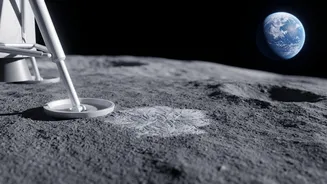
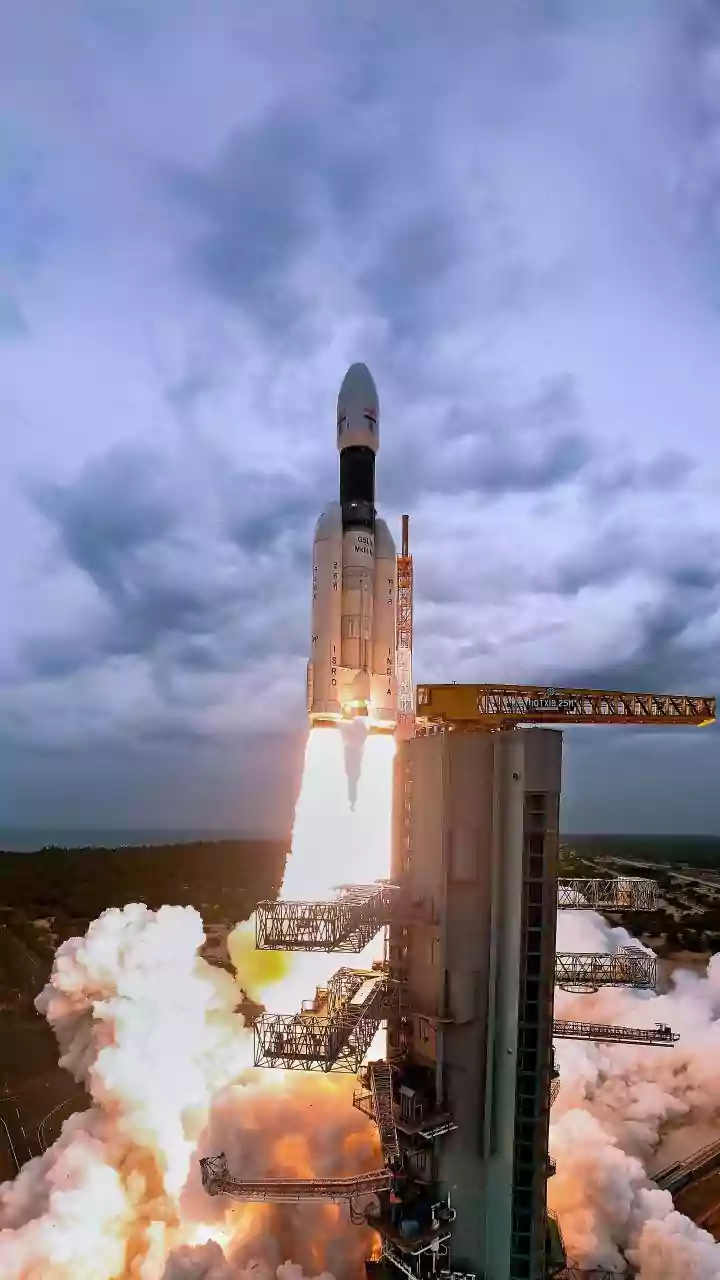
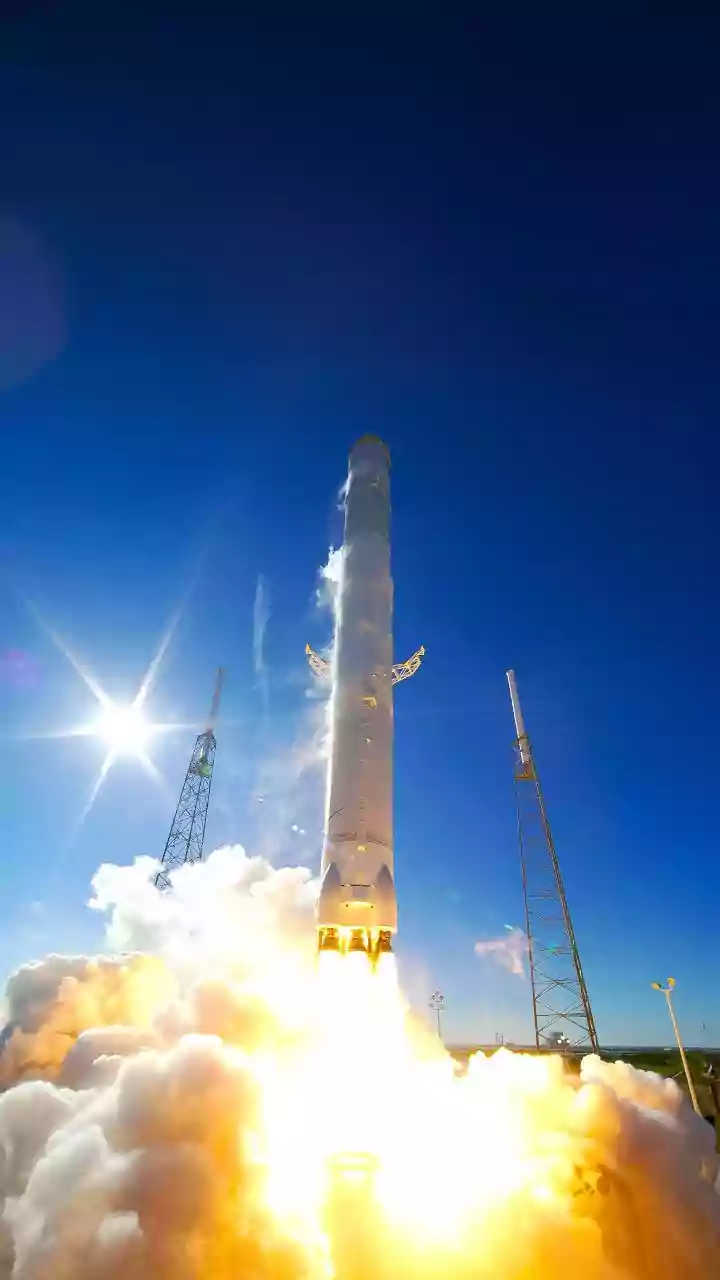
Every spacecraft we launch, no matter how carefully cleaned, carries a microscopic cargo of bacteria and other microbes from Earth. This is called "forward contamination." For decades, scientists believed the Moon's harsh environment—no air, extreme temperatures,
and intense radiation—would instantly sterilize any biological hitchhikers. However, recent NASA-led studies have challenged this assumption. Research published in August 2026 suggests that some of the hardiest microbes could survive for days or even longer if they land in the right spot. This isn't about creating a new ecosystem on the Moon; the microbes would likely enter a dormant, inactive state called cryptobiosis. The real issue is that their presence, or even just their dead organic remnants, could ruin our ability to conduct pristine science.
Why the South Pole is Special
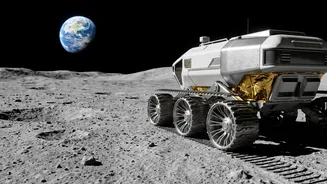
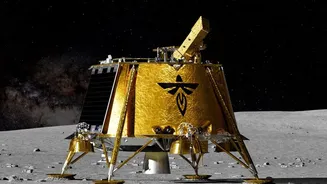
The lunar south pole is the new frontier for a reason: water ice. The region is home to "Permanently Shadowed Regions" (PSRs), craters and depressions that have not seen direct sunlight for billions of years. These are some of the coldest places in our solar system, with temperatures low enough to preserve ice that could be a vital resource for future astronauts, providing drinking water, breathable oxygen, and even rocket fuel. But these same conditions make PSRs pristine time capsules. They could hold clues about the origins of water in our solar system and perhaps even the chemical building blocks of life. Recent studies show that these shaded areas, which block deadly ultraviolet radiation, are the very places where Earth microbes have the best chance of surviving. Even a rover's tread mark or an astronaut's bootprint could create a small, shaded patch where microbes might persist.
The Risk to Science
The primary concern is not a lunar pandemic, but the corruption of scientific evidence. One of the biggest questions in science is whether life exists, or ever existed, beyond Earth. If scientists discover organic molecules on the Moon, they need to be certain those molecules are truly lunar in origin and not just contaminants from a previous mission. Introducing Earth-based life, even in a dormant state, makes it incredibly difficult to distinguish between indigenous biosignatures and our own biological baggage. This potential for confusion has led to a debate about how we protect these scientifically valuable lunar regions, with some experts arguing they need the same level of protection as Mars.
A Quest for Cleanliness
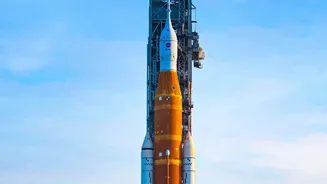
International policy for planetary protection is guided by the Committee on Space Research (COSPAR). Currently, the Moon is designated as a Category II target, meaning it's of scientific interest but has a remote chance that contamination could compromise investigations. This requires missions to document their organic materials but does not demand the stringent, costly sterilization procedures required for missions to Mars. However, in light of new findings about microbial survival and the importance of PSRs, COSPAR has created sub-categories that call for more thorough documentation and organic inventory for missions targeting the lunar poles. As missions like NASA's Artemis and China's Chang'e-7 plan for landings and extensive exploration in this very region, the conversation around strengthening these protocols is growing louder.