


The Mindset Shift: Beyond Small Portions
The most common advice for solo cooks is to simply divide recipes in half. While that’s a start, it doesn’t solve the core issues: what to do with the other half of the onion, the rest of the canned tomatoes, or the bunch of fresh herbs you only needed
a sprig of. Successful cooking for one requires a strategic shift. Instead of focusing only on making less, the goal is to maximize what you buy. This means planning meals around shared, versatile ingredients and learning to see your purchases not as components for one meal, but as building blocks for several.
Build a Versatile Pantry
A smart solo kitchen starts with a well-stocked pantry of flexible staples. These are ingredients that can pivot between different types of cuisines and meals. Think canned goods like beans (black, cannellini, chickpeas) and tomatoes, which can become part of a soup, salad, or chili. Grains like rice and quinoa are blank canvases for countless dishes. Onions, carrots, and celery form the base of many sauces and stews. Having these workhorses on hand means you’re always halfway to a meal and can focus your fresh grocery shopping on just one or two key items to complete a dish.
Shop Smarter, Not Just Smaller
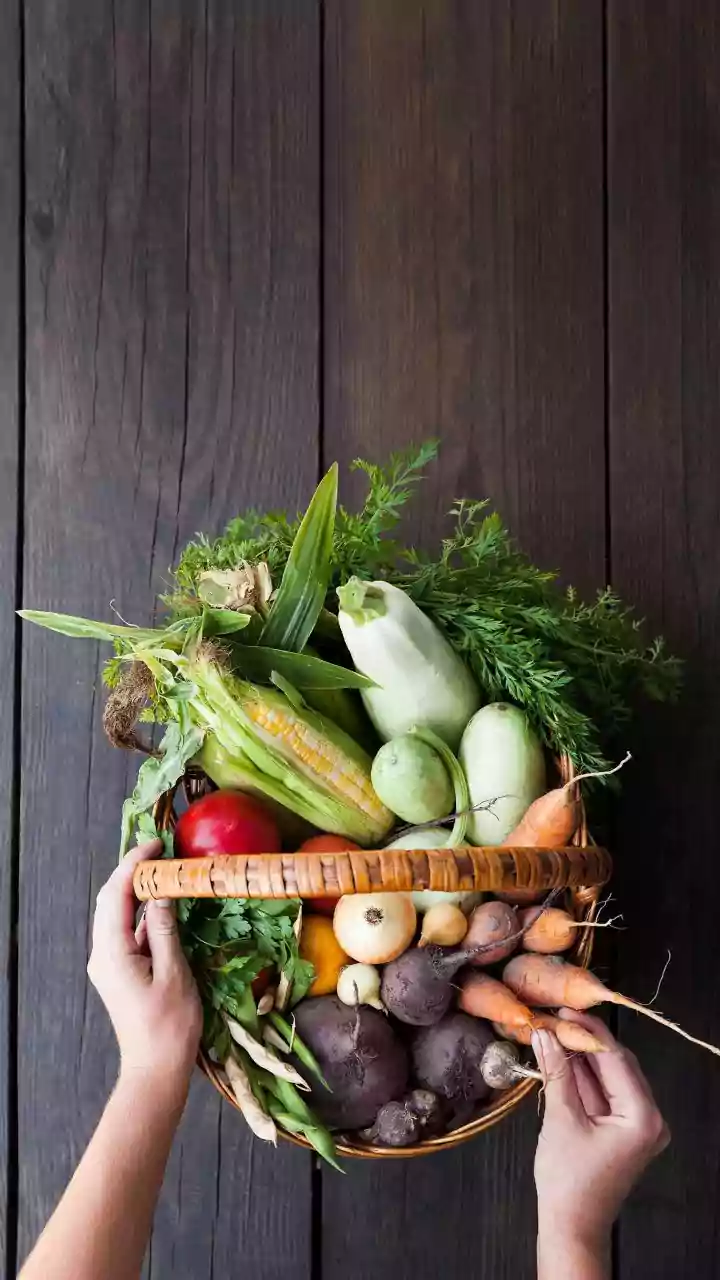
Navigating a supermarket designed for families can be daunting. Pre-packaged meats and produce often come in quantities far too large for one person. But there are ways to work around this. Whenever possible, use the butcher and deli counters to buy the exact amount of meat or cheese you need for a recipe. For produce, the salad bar can be an unexpected ally, allowing you to grab a small handful of broccoli florets, sliced mushrooms, or bell peppers without committing to a whole package. Some stores also sell individual vegetables, so you can buy one carrot instead of a whole bag. Planning 2-3 meals around a single, larger vegetable—like using a head of cabbage for a stir-fry, slaw, and soup—is another effective strategy to ensure nothing goes to waste.
Embrace Component Cooking
Meal prepping for one shouldn't mean eating the same boring meal five days in a row. A more flexible approach is 'component cooking'. Instead of preparing full meals, spend a little time prepping individual ingredients. For instance, on a Sunday, you could roast a tray of mixed vegetables, cook a batch of quinoa, and grill a few chicken breasts. Throughout the week, you can assemble these components in different ways: a grain bowl for lunch on Monday, chicken and roasted veggies on Tuesday, and a quinoa salad with chopped chicken on Wednesday. This method provides variety and significantly cuts down on daily cooking time.
Your Freezer Is Your Best Friend
The freezer is the solo cook's most valuable tool for reducing food waste and saving time. Don't be afraid to make a full-batch recipe for things like soups, stews, chili, or pasta sauce. The key is to freeze the leftovers in individual portions. This creates a library of homemade 'ready meals' for busy nights. You can also freeze components. When you get home from the store, divide packs of meat into single servings before freezing. Leftover fresh herbs can be chopped and frozen in ice cube trays with a little water or oil. Even bread can be sliced and frozen, allowing you to pull out a piece at a time. Label everything with the contents and date to keep your inventory organized.