



The festive season brings joy, family, and an abundance of delicious foods. For those managing their sugar intake, this can feel challenging. But with a mindful approach, you can savour the celebrations without compromising your health goals.
Plan Your Plate in Advance
One of the
most effective strategies is to plan your meals. Before heading to a gathering, decide what you'll eat. The 'balanced plate' method is a great guide. Aim to fill half your plate with non-starchy vegetables like salads, green beans, or broccoli. Reserve one-quarter for lean proteins such as paneer, lentils, chicken, or fish, and the final quarter for complex carbohydrates like whole grains. If you know you want to enjoy a dessert, consider cutting back on the carbohydrate portion in your main meal to make room for the sweet treat.
Don't Arrive on an Empty Stomach
Skipping meals to 'save up' calories for a big festive feast often backfires. Arriving at a party extremely hungry can lead to overeating and poor food choices, causing sharp spikes in blood sugar. Instead, stick to your regular meal timings as much as possible. If a festive dinner is scheduled for later than usual, have a small, protein-rich snack like a handful of nuts, roasted chana, or a glass of buttermilk beforehand. This helps curb extreme hunger and allows you to make more mindful decisions at the dinner table.
Choose Your Sweets Wisely
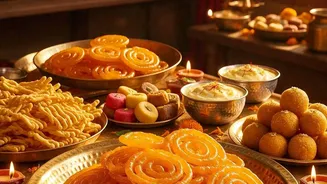
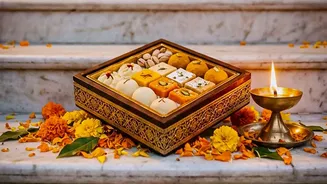
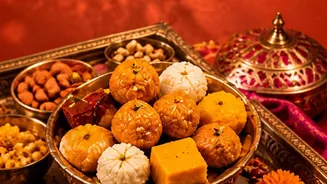
Not all sweets are created equal. When faced with a table of mithai, make strategic choices. Opt for sweets that are milk-based, nut-based, or fruit-based, such as rasgulla, sandesh, or dry-fruit laddoos. The protein and healthy fats in these options can help slow down the absorption of sugar. Sweets made with dates for natural sweetness are also a better choice. Try to limit or avoid deep-fried sweets like gulab jamun or jalebi, which can cause blood sugar to rise rapidly. And never eat sweets on an empty stomach; have them after a balanced meal to reduce their glycemic impact.
Practice Mindful Indulgence and Portion Control
Complete deprivation isn't necessary and can lead to feelings of missing out. The key is moderation and mindful eating. Instead of sampling everything, choose one or two of your absolute favourite treats and savour them. Cut a larger sweet in half or use a smaller plate or bowl. Eat slowly, paying attention to the flavours and textures. It takes about 20 minutes for your brain to register that you're full, so pausing before reaching for a second helping can prevent overconsumption.
Stay Hydrated with the Right Drinks
Thirst can often be mistaken for hunger. Staying well-hydrated is crucial for managing blood sugar levels and preventing overeating. Water is your best friend. Aim to drink plenty of it throughout the day. Be wary of sugary beverages like fruit juices, sodas, and sweetened punches, which can cause a rapid increase in blood sugar. Opt for unsweetened drinks like water, buttermilk, coconut water in moderation, or infused water instead.
Incorporate Light Physical Activity
Exercise is a powerful tool for managing blood sugar, especially during a season of indulgence. You don't need an intense workout; even light activity can make a significant difference. A simple 15- to 20-minute walk after a festive meal can help improve insulin sensitivity and lower post-meal blood sugar levels. You can also incorporate fun, active traditions into your celebrations, like dancing or playing outdoor games with family and friends.