





The Dangerous Compound in Bitter Gourd
The refreshing, slightly sweet taste of bottle gourd, or lauki, is what makes it a staple in Indian households. However, when the gourd tastes bitter, it contains high levels of a toxic compound called cucurbitacin. These tetracyclic triterpenoids are
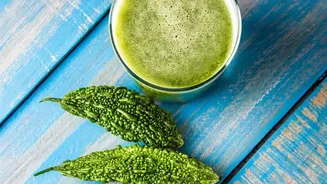
naturally present in the Cucurbitaceae family of plants (which includes cucumbers, squashes, and melons) as a defense mechanism. While normally present in negligible amounts, factors like cross-pollination with wild varieties or environmental stress can cause these toxin levels to spike, making the vegetable dangerously bitter and unfit for consumption. Juicing a bitter gourd is particularly hazardous because it concentrates these toxins into a potent dose. Even a small amount, estimated to be as little as 50 ml, can cause severe health complications.
Recognising the Signs of Toxicity
Bottle gourd poisoning is not a mild allergic reaction; it is a serious medical event that can occur within minutes to an hour of consumption. The cucurbitacin toxins attack the gastrointestinal lining, leading to a cascade of severe symptoms. The most common signs include severe abdominal pain, persistent vomiting (which may contain blood), and diarrhoea, which can also be bloody. These symptoms can lead to significant fluid loss, causing a rapid drop in blood pressure, shock, and dizziness. There is no specific antidote for this type of poisoning; hospital treatment is supportive and focuses on managing symptoms, controlling bleeding with medications like proton pump inhibitors, and stabilising blood pressure with IV fluids.
Raw Juice vs. Cooked Sabzi: The Nutrient Debate
The belief that raw foods are always healthier than cooked ones is a persistent myth. While juicing bottle gourd provides a hydrating, low-calorie drink rich in water, it's not automatically superior to its cooked form. Cooking breaks down the tough cell walls of vegetables, which can make them easier to digest and can even increase the bioavailability of certain nutrients like calcium and iron. Conversely, cooking can reduce the levels of water-soluble vitamins like Vitamin C and some B vitamins. Juicing, especially if you strain the pulp, removes most of the dietary fibre, which is crucial for digestive health, satiety, and managing blood sugar levels. Eating cooked lauki as a sabzi or in a soup ensures you get the benefits of its fibre content, which can keep you feeling full longer and support weight management.
A Balanced Approach to Consumption
Both raw juice and cooked bottle gourd can be part of a healthy diet, provided they are consumed safely. The nutritional differences are not significant enough to declare one an absolute winner. A balanced approach might involve enjoying cooked lauki for its fibre and digestive benefits, while using fresh, non-bitter juice as a hydrating, low-calorie beverage alternative. The key is variety and safety. Alternating between the two forms allows you to reap the benefits of both. Whether you are juicing or cooking, the first step is always the same: ensuring the gourd is not bitter.
The Golden Rule: Taste Before You Juice or Cook
The single most important step to prevent bottle gourd poisoning is to perform a taste test. Before you blend, cook, or juice the vegetable, cut off a small piece and taste it. If you detect even the slightest hint of bitterness, discard the entire gourd immediately. Do not try to mask the bitterness by mixing it with other vegetables, sweeteners, or spices, as this does not neutralise the toxins. This simple, non-negotiable rule applies to all gourds in the Cucurbitaceae family. Cooking does not destroy cucurbitacins, so a bitter gourd remains toxic even after being heated.