



India's electric vehicle market lit up during the October 2026 festive season, posting remarkable growth. Registrations for electric passenger vehicles jumped by over 76% compared to the previous year, signaling a major shift in buyer preference.
The Big Picture in Numbers
October
2026 was a blockbuster month for India's electric passenger vehicle (PV) segment. According to retail data from the Federation of Automobile Dealers Associations (FADA), a total of 37,049 electric cars were registered, a stunning 76.47% increase from the 20,995 units sold in October 2025. This surge is even more significant when contrasted with the overall passenger vehicle market, which saw a decline. The impressive performance pushed the market share of electric cars to 7.3% of all passenger vehicles sold in October, more than double its 3.5% share from a year ago. While month-on-month growth was more modest at 2.61% over September 2026, the year-on-year leap confirms the accelerating adoption of electric mobility.
Tata Motors Continues its Reign
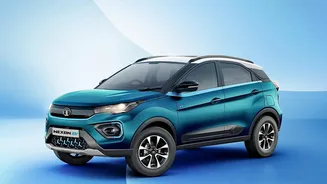
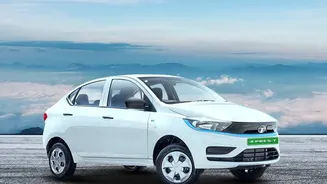
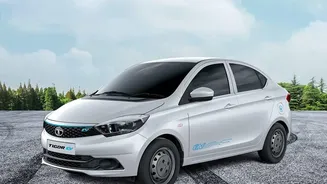
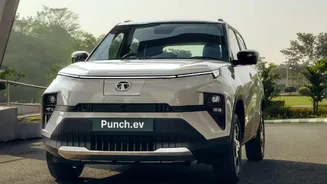
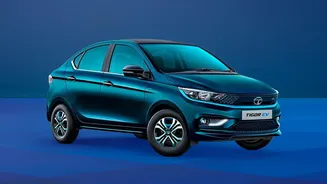
Tata Motors, a long-standing leader in the Indian EV space, maintained its top position. The company registered 14,669 electric vehicles in October, capturing a dominant market share of nearly 40%. This figure represents a massive 77.6% year-on-year growth, showing that Tata continues to scale its operations effectively to meet rising demand. Its diverse portfolio, which includes popular models like the Nexon EV, Punch EV, and Tiago EV, allows it to cater to a wide range of price points and customer needs. In fact, the Punch EV made headlines by becoming the first standalone electric car in India to surpass 5,000 monthly wholesale dispatches in October.
Mahindra and MG Lead the Chase
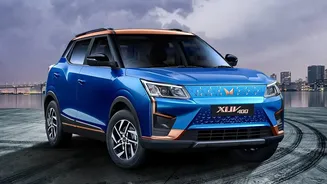
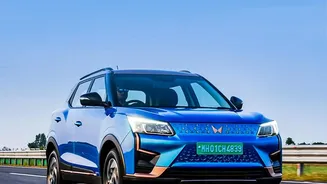
While Tata leads, the competition is intensifying. Mahindra & Mahindra solidified its position as the number two player, with retail sales of 8,538 units in October. This marked an impressive 85.65% year-on-year growth, slightly outpacing the overall industry's expansion and increasing its market share to over 23%. Models like the BE 6 and XEV 9e have bolstered its standing. Following them, JSW MG Motor India secured the third spot with 5,939 units sold. Although its year-on-year growth of 10.8% was more moderate, the brand still holds a significant 16.5% of the market. Together, these top three domestic and international players accounted for nearly 80% of all electric cars sold during the month.
What's Fuelling the EV Fire?
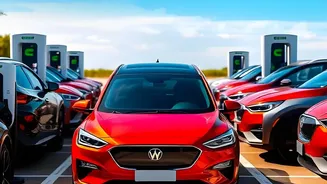
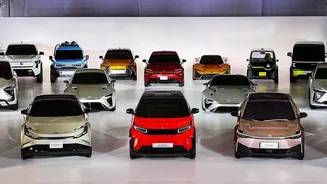
Several factors contributed to this exceptional growth. The festive season, including Navratri and leading up to Diwali, traditionally sees a spike in consumer spending, and this year, EVs were a clear beneficiary. Reports indicated that EV demand was so strong it was outpacing supply for some models. Beyond the festive cheer, a combination of factors is making EVs more attractive. These include rising fuel costs, growing environmental consciousness, a wider availability of models, and improving charging infrastructure. New entrants are also shaking up the market; Vietnamese automaker VinFast, for instance, saw its sales surge by over 1,700% year-on-year from a low base, demonstrating the dynamic nature of the competition.
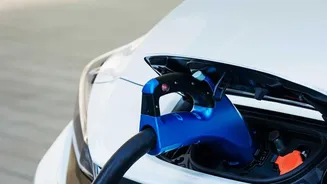
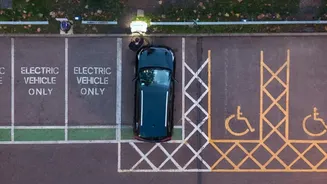
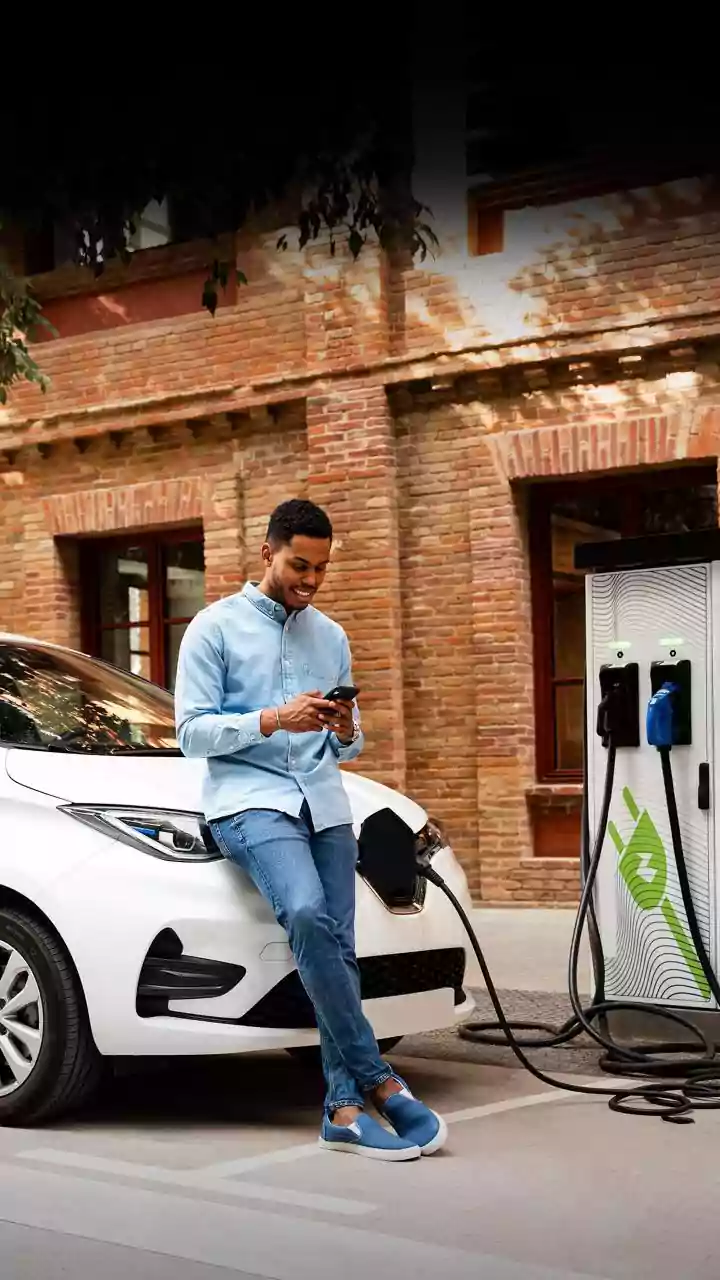
The strong sales in October suggest that India's transition to electric mobility is gaining irreversible momentum. The market share of EVs, while still in the single digits, has more than doubled in a year, which points towards a sustained trend rather than a temporary blip. However, challenges remain. While FADA President Sai Giridhar celebrated the record numbers, he also highlighted that vehicle availability had become a constraint as consumer demand strengthened. For the growth to continue, automakers will need to manage supply chains effectively, and the government and private sector must continue to expand the charging network to address range anxiety. Nonetheless, the October figures provide a clear signal that Indian consumers are increasingly ready to plug into the future of driving.