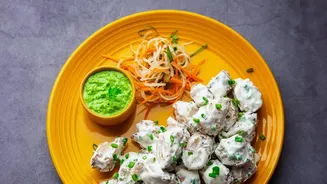



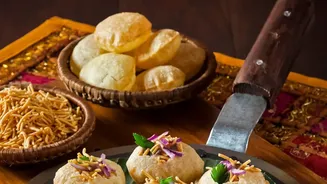
The Magic of a Perfect Dahi Kebab
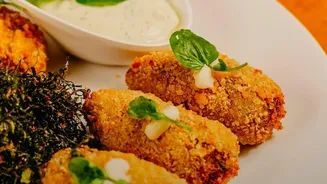
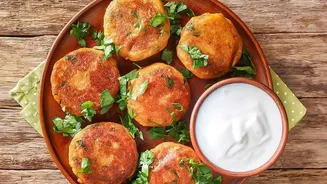
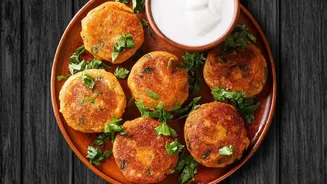
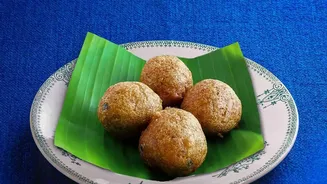
What makes a dahi kebab so irresistible? It's the delightful contrast of a golden, crispy exterior giving way to a soft, creamy, and tangy interior. This popular vegetarian appetizer, found on the menus of most North Indian restaurants, feels like a true
indulgence. Unlike other kebabs, its hero ingredient is yogurt, making it a unique culinary experience. The magic lies in that perfect bite where the crunchy coating meets the delicate, flavourful curd mixture inside. Achieving this balance at home is the key, and it's easier than you might think.
Perfect for a Sawan Menu
During Sawan, many people adopt a sattvic diet, which often means avoiding non-vegetarian food, onions, and garlic. Dairy products like curd and paneer, however, are widely consumed and even considered auspicious. This makes dahi kebabs an ideal dish for the season. Prepared without onion and garlic, and using Sawan-compliant spices and flours, they become a festive treat that aligns perfectly with fasting traditions. It's a wonderful way to add a special, celebratory dish to your Shravan meals without breaking dietary guidelines.
The Heart of the Kebab: Hung Curd
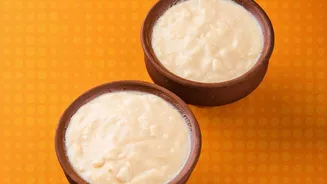
The single most critical ingredient for a successful dahi kebab is hung curd. You need a thick, creamy yogurt base with almost no moisture; regular curd is too watery and will cause the kebabs to disintegrate while frying. To make hung curd, simply place fresh, thick curd in a muslin cloth, place it over a sieve with a bowl underneath, and let it hang for several hours or overnight in the refrigerator. Some recipes even suggest placing a weight on top to speed up the process of draining the whey. The resulting curd should be thick and almost cheese-like in consistency. Using fresh, non-sour curd is also crucial for the best flavour.
Binding it All Together, Sawan-Style
Since hung curd is still soft, a binding agent is necessary to help the kebabs hold their shape. In restaurants, roasted gram flour (besan) and breadcrumbs are common choices. For a Sawan-friendly version, you have excellent alternatives. Roasted makhana (fox nut) flour and sabudana (tapioca) flour work beautifully. Another great option is singhara (water chestnut) flour. Crumbled paneer not only helps with binding but also adds a wonderful richness and texture, balancing the tang of the curd. The goal is to add just enough binder to create a non-sticky mixture that can be easily shaped.
Achieving that Restaurant-Style Crunch
The secret to that satisfying crunch is a two-part process: the coating and the frying technique. Once you shape the soft patties, a light coating is essential. You can roll them in dry breadcrumbs, or for a fasting-friendly version, a mixture of sabudana and makhana flour or singhara flour works well. Some chefs recommend refrigerating the shaped kebabs for 20-30 minutes before cooking; this helps them firm up and hold their shape better in the hot oil. When it's time to cook, shallow-frying on medium-high heat is ideal. The oil must be hot enough to create a crisp crust quickly without letting the kebab absorb too much oil or fall apart. Don't overcrowd the pan, and fry them in batches until they are golden brown and crisp on both sides.
Flavouring Your Kebabs
While onions and garlic are out for Sawan, you can still pack your kebabs with flavour. Finely chopped ginger and green chillies provide a fresh, sharp heat. Spices like roasted cumin powder, black pepper, and a pinch of garam masala (if your tradition allows) add warmth. Remember to use sendha namak (rock salt) instead of regular table salt for fasting. Finely chopped nuts like cashews or walnuts can be added to the mixture for extra texture and richness. A small amount of chopped fresh coriander leaves will also add a burst of freshness.
Common Mistakes to Avoid
There are a few common pitfalls when making dahi kebabs. The most frequent issue is the kebabs breaking apart in the oil. This is almost always due to the curd having too much moisture. Be patient with the hung curd process. Another mistake is adding too much binding flour, which can make the kebabs dense and doughy, losing their characteristic melt-in-the-mouth texture. Finally, frying at the wrong temperature can lead to disaster. If the oil is not hot enough, the kebabs will soak up oil and become greasy. If it's too hot, the outside will burn before the inside is warmed through. A medium-high flame is your friend.